

“`html
Wondering how to optimize system architecture documentation for clear understanding and execution? You’re in the right place! This article dives into best practices that make a significant impact.
1. Understanding the Purpose of Documentation
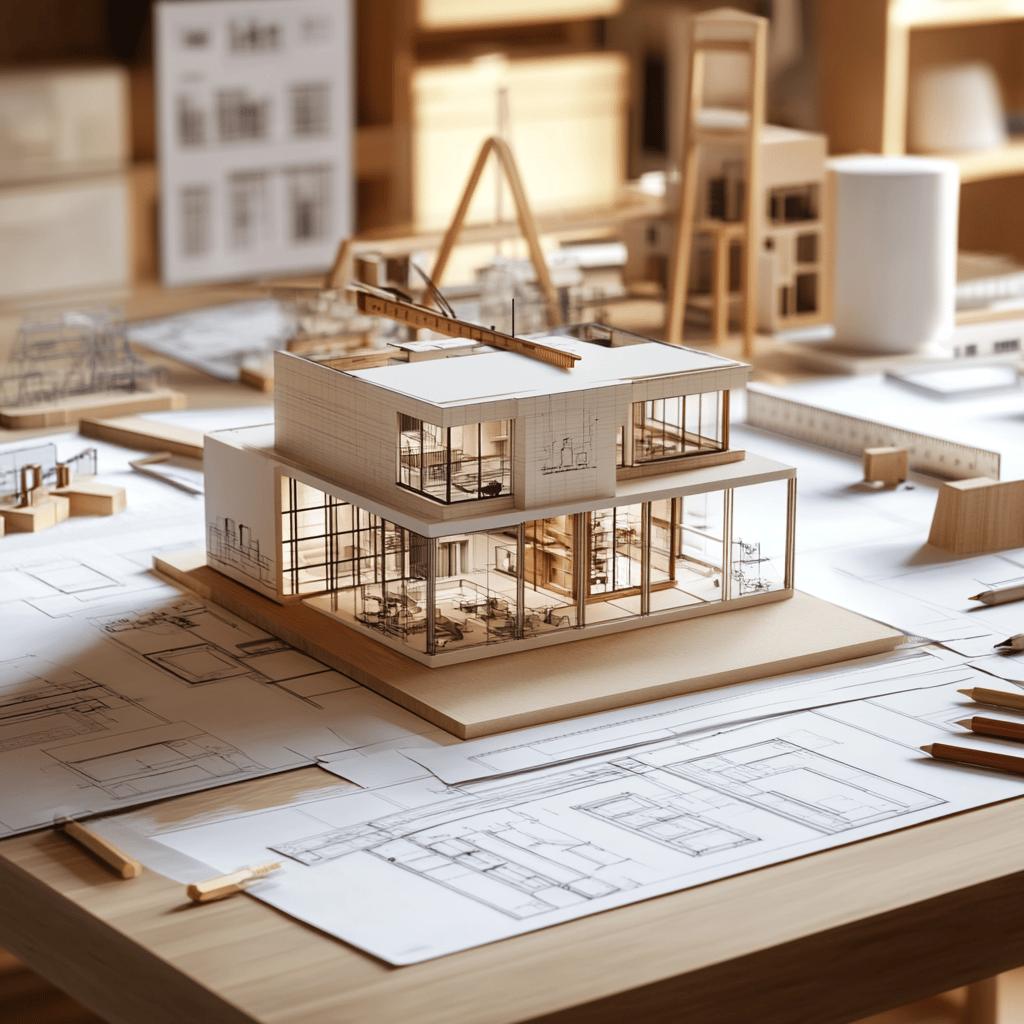
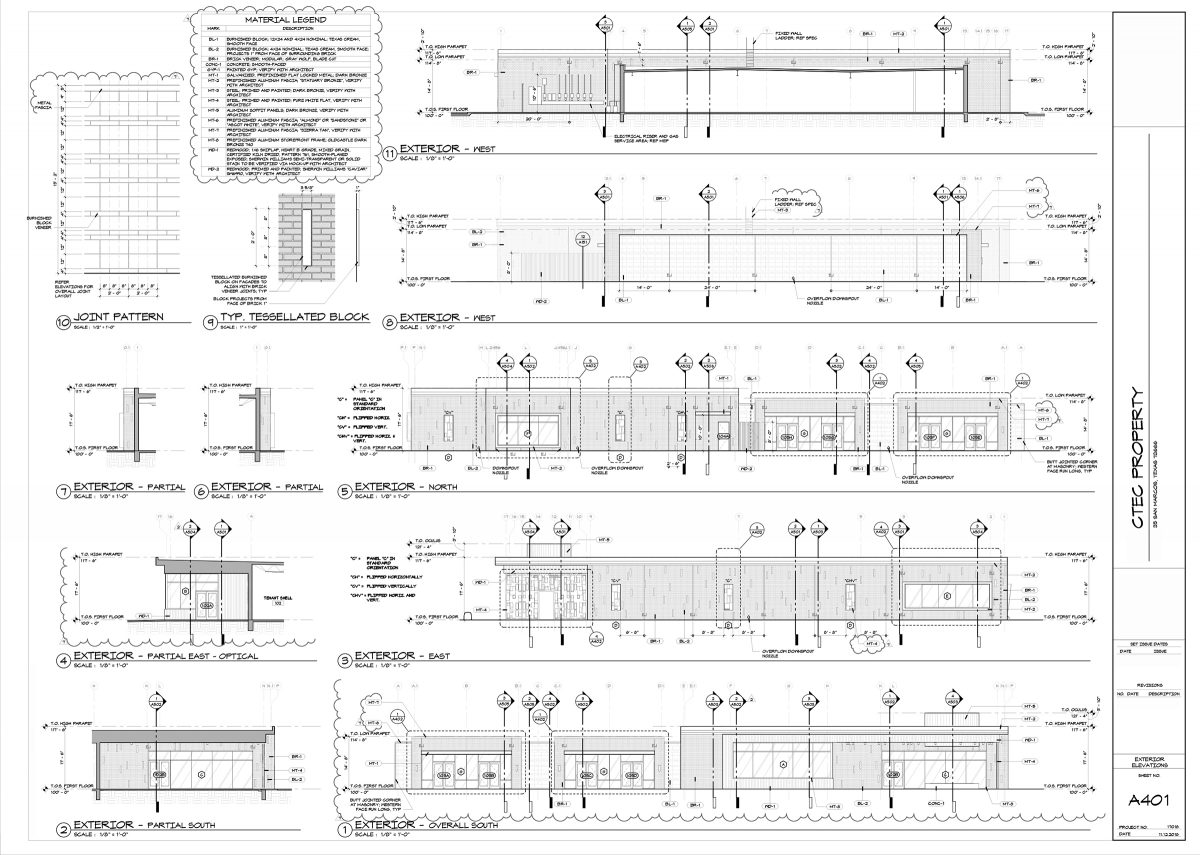
The main aim of system architecture documentation is to reveal exactly what needs to be built. It’s crucial that specifications cover details about materials and installation techniques. However, there’s often a mix-up between drawings and specifications that can cause confusion down the line.
Therefore, a well-crafted document must tell a clear and engaging story, while being easy to follow. It should answer all the team’s questions, ensuring there are no blank spaces that could lead to misinterpretations. Think of it as a road map laid out to avoid getting lost!
2. Importance of Organizing Drawings
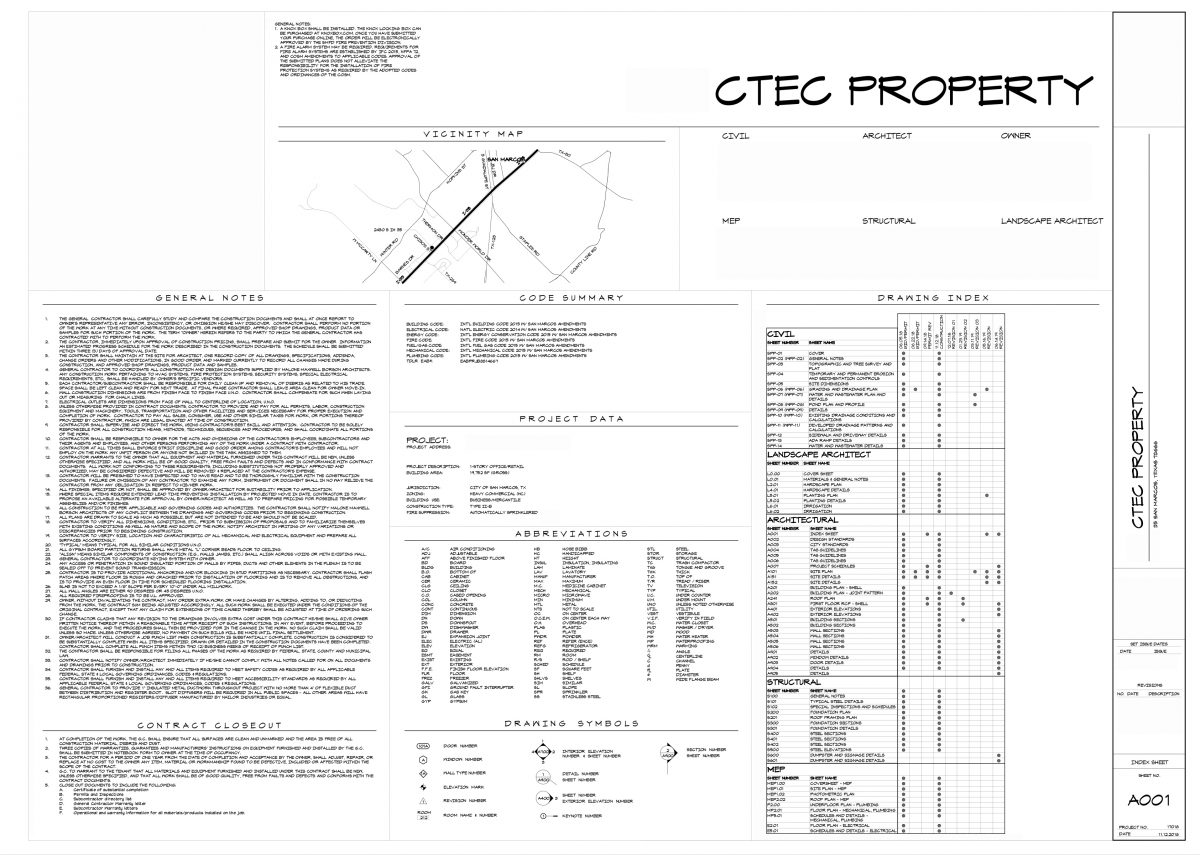
Getting the organization of drawings right is key for ensuring their effectiveness. They can be divided into sections, with this division changing depending on whether it’s residential or commercial projects. Generally, residential drawings are simpler, while commercial ones often stand as skyscrapers of complexity.
For residential contexts, we might just see the architecture and structure, but in commercial projects, they’ve got a knack for splitting information into numerous parts. This division makes reading and understanding much easier, as larger projects can be quite the puzzle when crammed into a single sheet!
3. Documentation Standards in Architecture

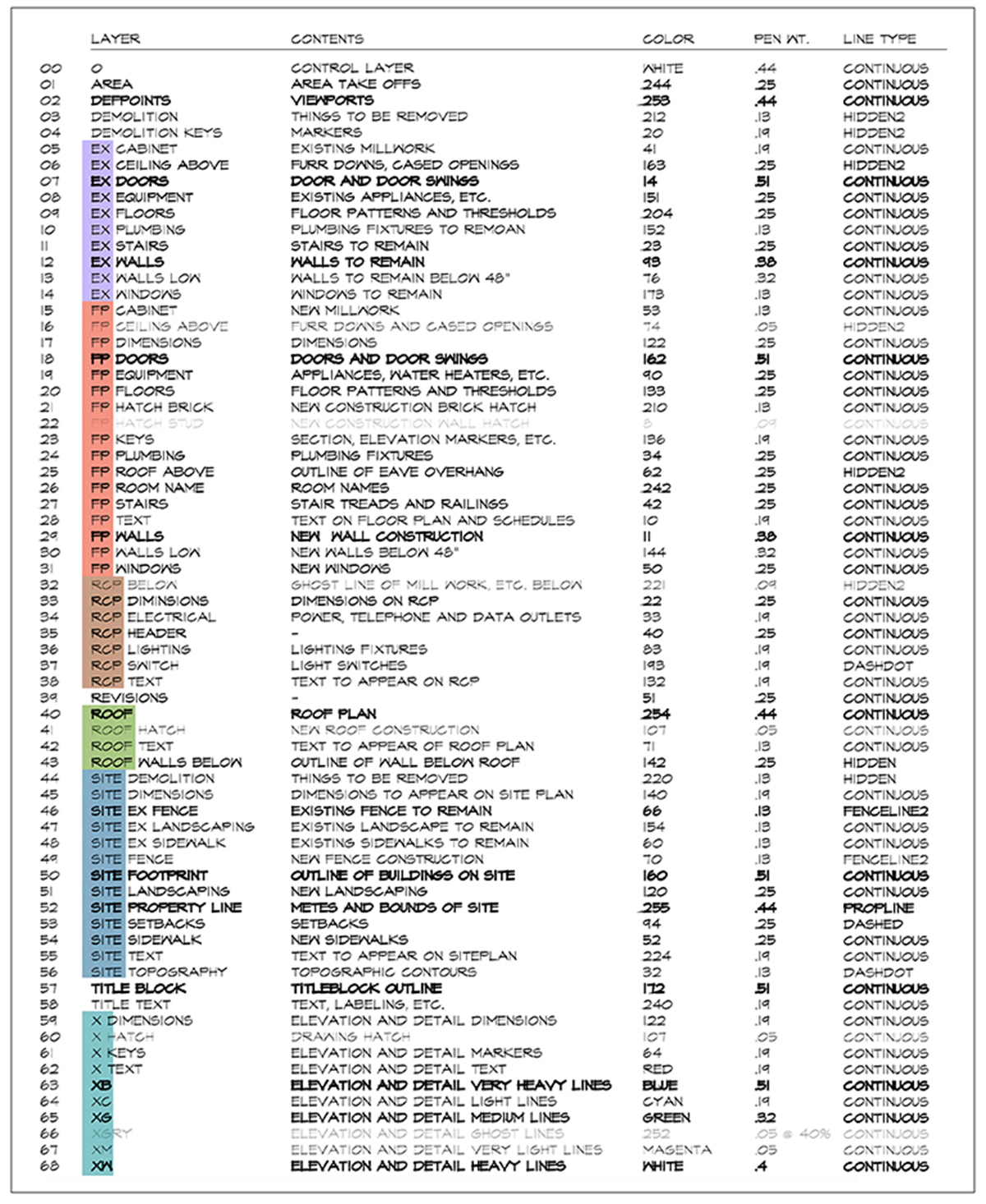
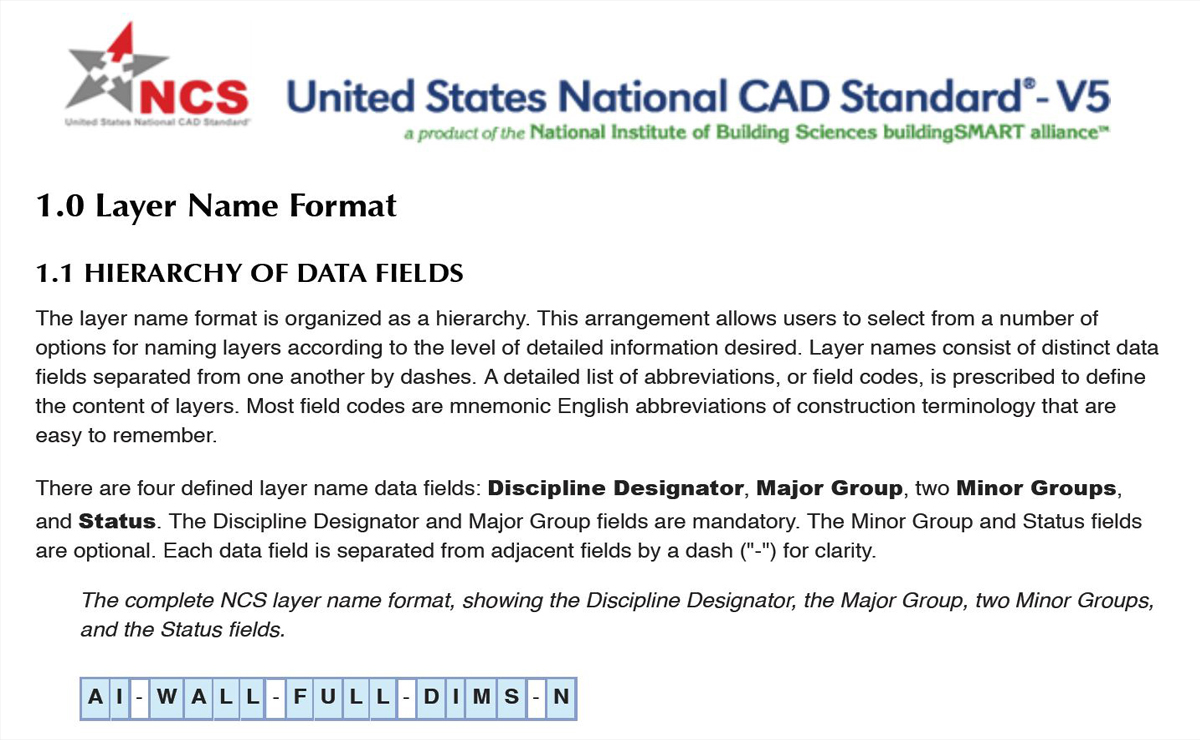
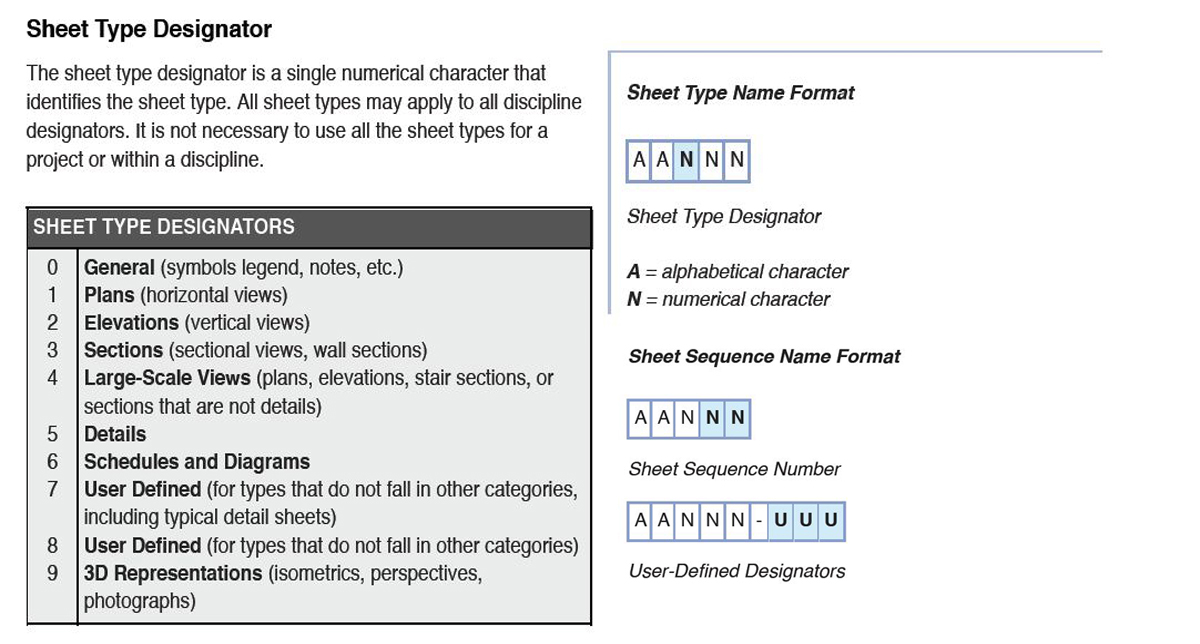
There are specific standards we usually follow in architecture documentation, but they vary from project to project. Standards like the USNCS (United States National CAD Standard) are put in place to ensure documentation practices are consistent and easy to adhere to.
Following these standards can smooth out the workflow and prevent communication breakdowns. They provide guidelines for sheet layout, document identification and organization, which not only enhances project efficiency but also ensures everyone on the team is on the same page—no more playing “guess what I meant”!
4. Evolution of Architectural Documentation
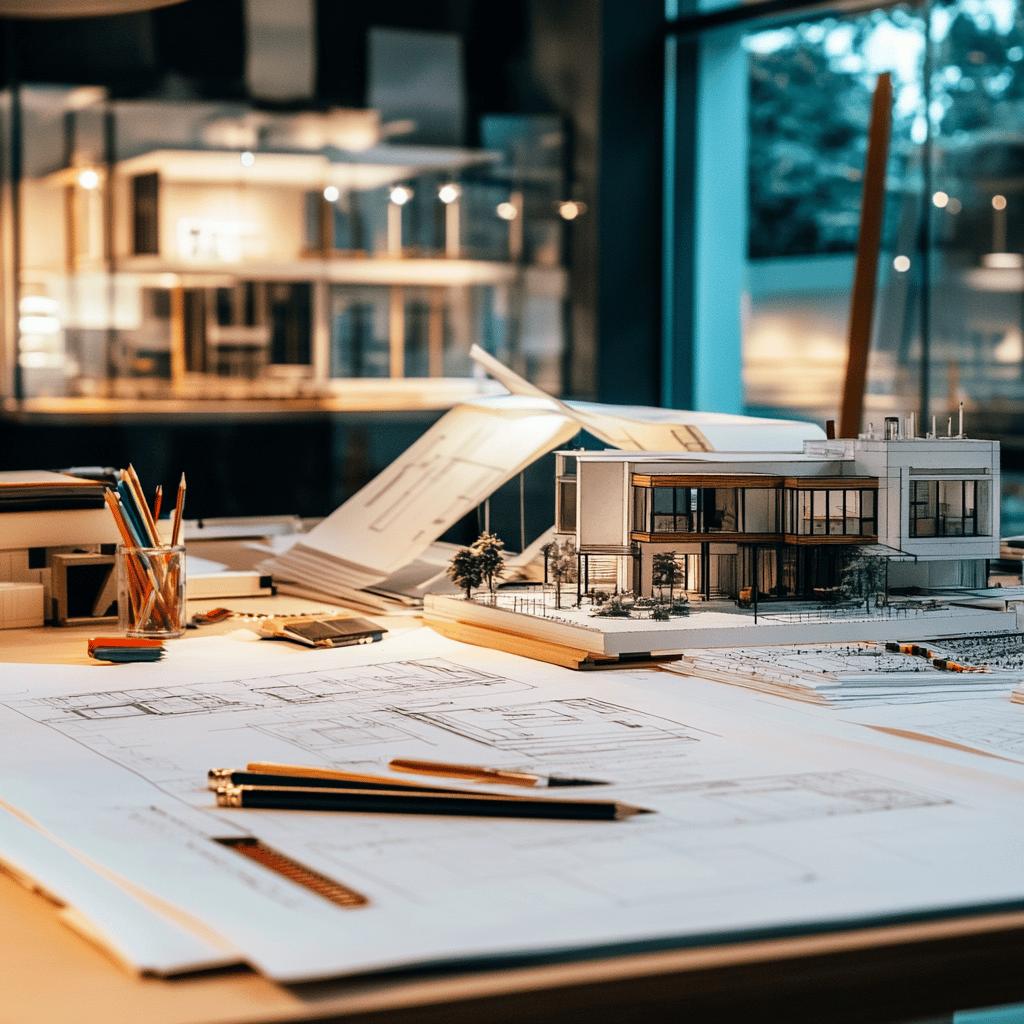
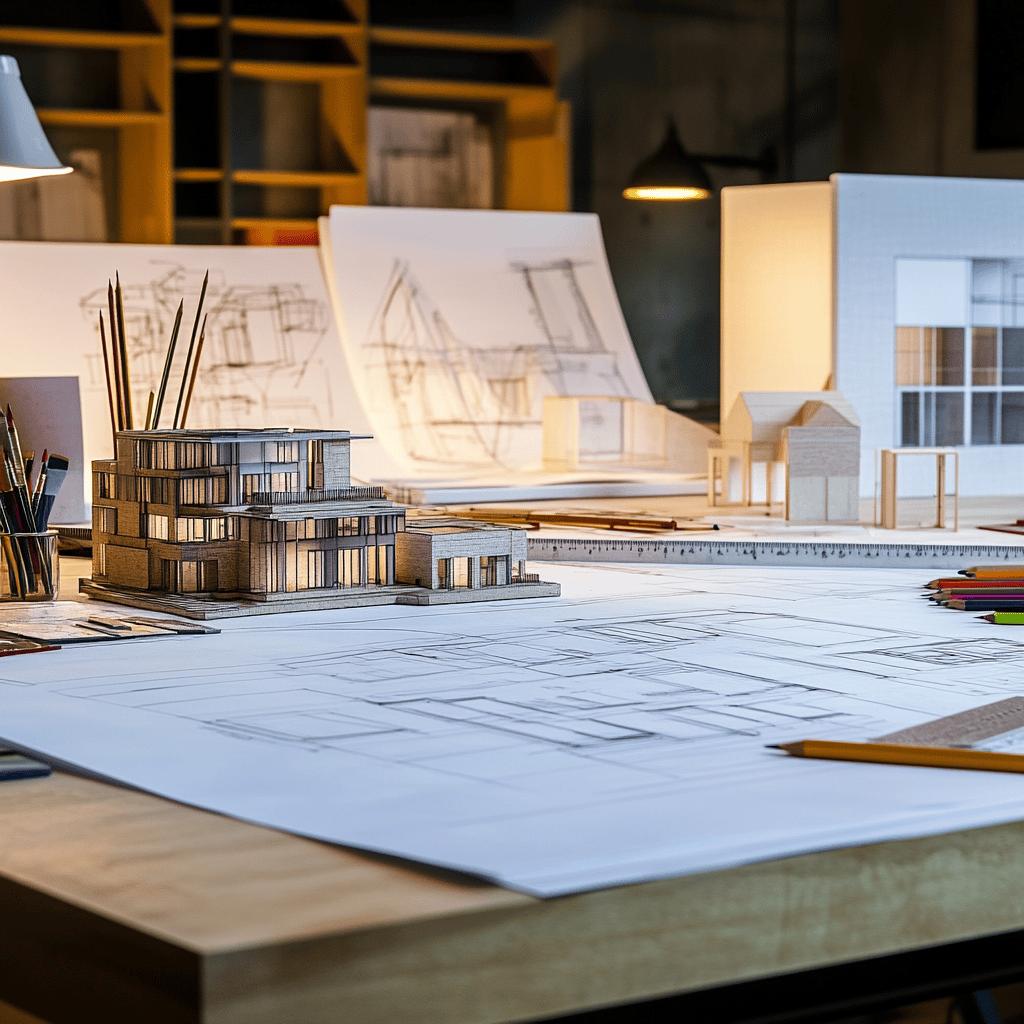
The future of architectural documentation is looking bright, especially with the rising trend of 3D models. Instead of solely relying on paper drawings, architects can use 3D models that allow for a richer visualization.
We might not be ready to go completely paperless just yet, but technology is paving a path for new working methods. The blend of digital documents and 3D models promises to revolutionize how construction teams interact and execute projects—it’s like moving from black and white TV to full color!
5. Clarity in Communication
One of the biggest headaches in documentation comes from lack of clarity and the resulting confusion, which can lead to errors during construction. Therefore, it’s vital that everyone involved has a crisp view of how each part of the system should function.
Well-crafted documents need to be easily graspable. Utilizing images, graphics, and clear examples can effectively convey the vision, making the material more appealing and less daunting—like adding whipped cream to your coffee!
6. Strategies to Keep Attention
Using straightforward language is essential. Simple and direct structures guarantee that information is absorbed effortlessly. Curiosity and engagement can skyrocket through stories and practical examples that illustrate complex concepts.
Starting with thought-provoking questions can pique the reader’s interest and keep them engaged throughout the article. This approach keeps the narrative lively and captivating—kind of like a good cliffhanger in a novel!
7. Summary Table
| Key Point | Description |
|---|---|
| Purpose | Clearly document what needs to be built. |
| Organization | Split documents into sections for easier reading. |
| Standards | Conform to norms like the USNCS for consistency. |
| Evolution | Embrace 3D models and digital tech. |
| Clarity | Clear communication to avoid construction errors. |
| Engagement | Use stories and practical examples to maintain interest. |
8. Conclusion and Reflection
Documenting system architecture is a challenge that demands dedication and technique. The benefits of embracing best practices are tangible: clearer projects, smoother interactions, and ultimately, a construction process that runs like clockwork.
Taking the necessary time to adhere to these practices can completely transform how architecture teams function. A focused effort on good documentation is the golden key to a successful project and the satisfaction of everyone involved—including that guy who always forgets to bring coffee!
“`