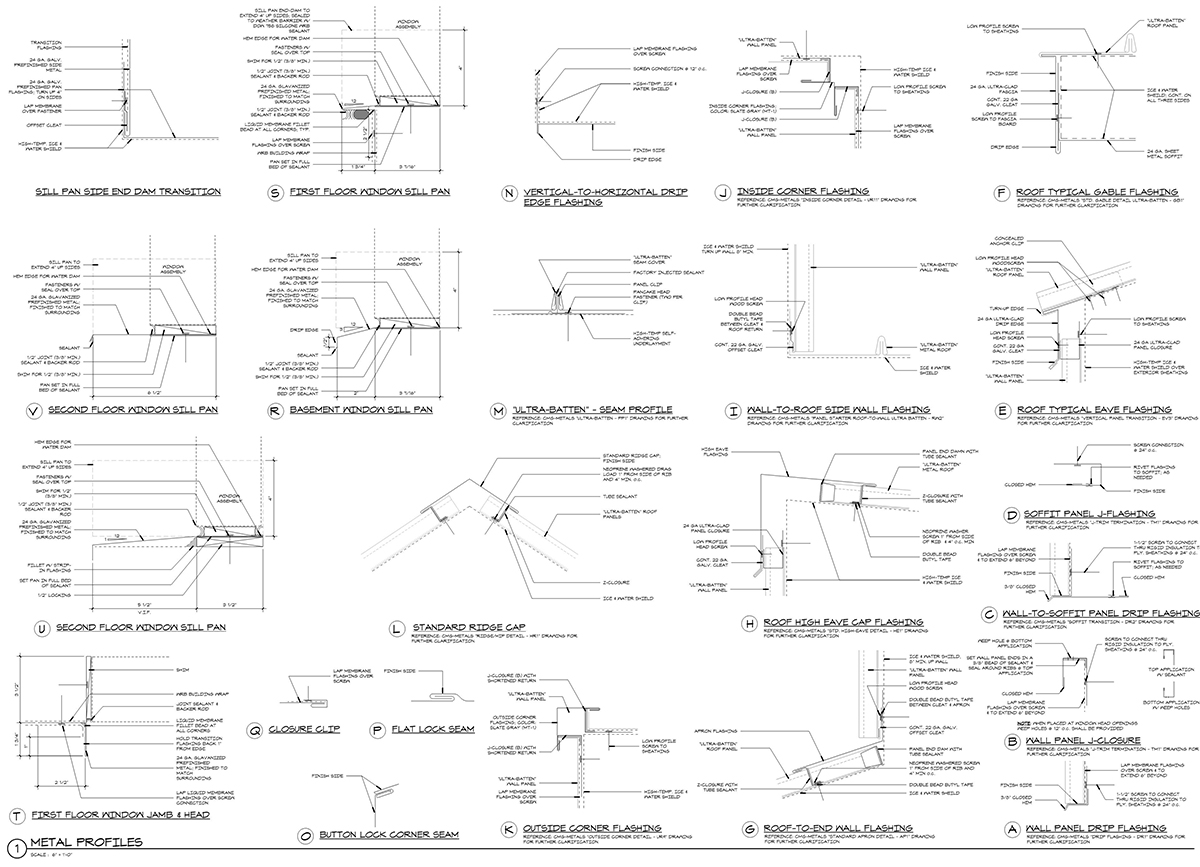


Architectural drawings are the lifeblood of successful projects, acting as a universal language that bridges the gap between architects, clients, and builders. Their clarity ensures smooth communication and effective project realization.
Why Are Architectural Drawings Crucial?
You ever think about how architecture talks? Architectural drawings are the universal language of this art. They allow clients, builders, and architects to understand the projected vision. Without this visual communication, chaos can take center stage.
Building a structure goes beyond just stacking bricks. It requires planning, detail, and most importantly, clear representation. Architectural drawings empower my team to visualize the project from concept to completion.
The Different Types of Drawings
Not all drawings are created equal, my friend. At every project stage, different types of drawings come into play, like schematic design (SD), design development (DD), and construction documents (CD).
While the SD can sport more conceptual drawings, the CD needs to be laser-focused and meticulous. Each presentation caters to a specific audience, whether it’s the client or the contractor, and this affects how information flows.
The Evolution of Drawing Materials
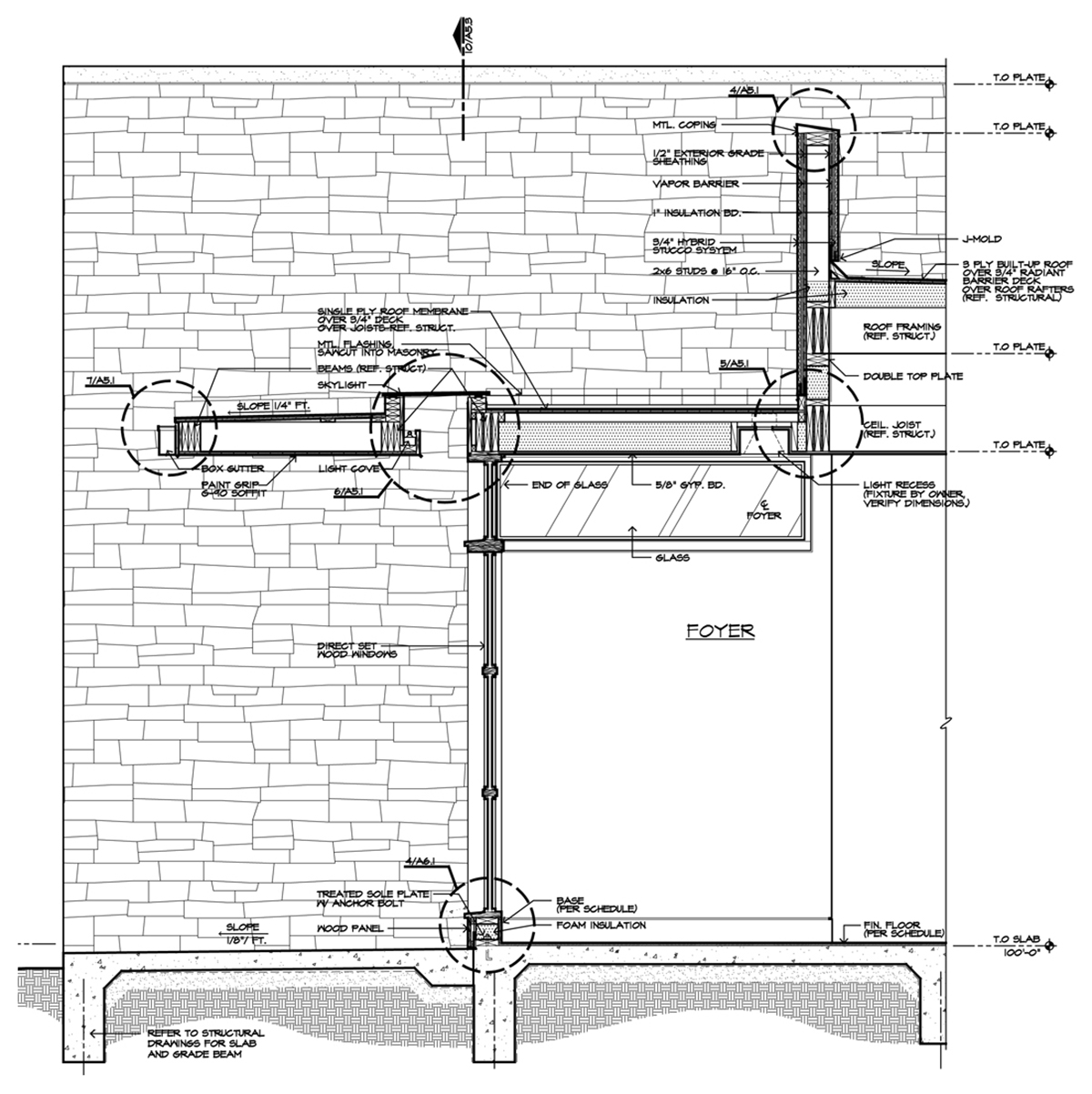
In recent years, technology has revolutionized how us architects work. The leap from hand-drawn sketches to 3D modeling software has ramped up precision like never before. We can now create three-dimensional models that make communication clearer than ever. It also streamlines material printing and boosts efficiency.
But hey, does this newfound ability to churn out complex designs always work in our favor? Questioning the volume of documentation we produce is critical. Too much can muddle the waters, while too little may spell disaster on site.
Client Demands
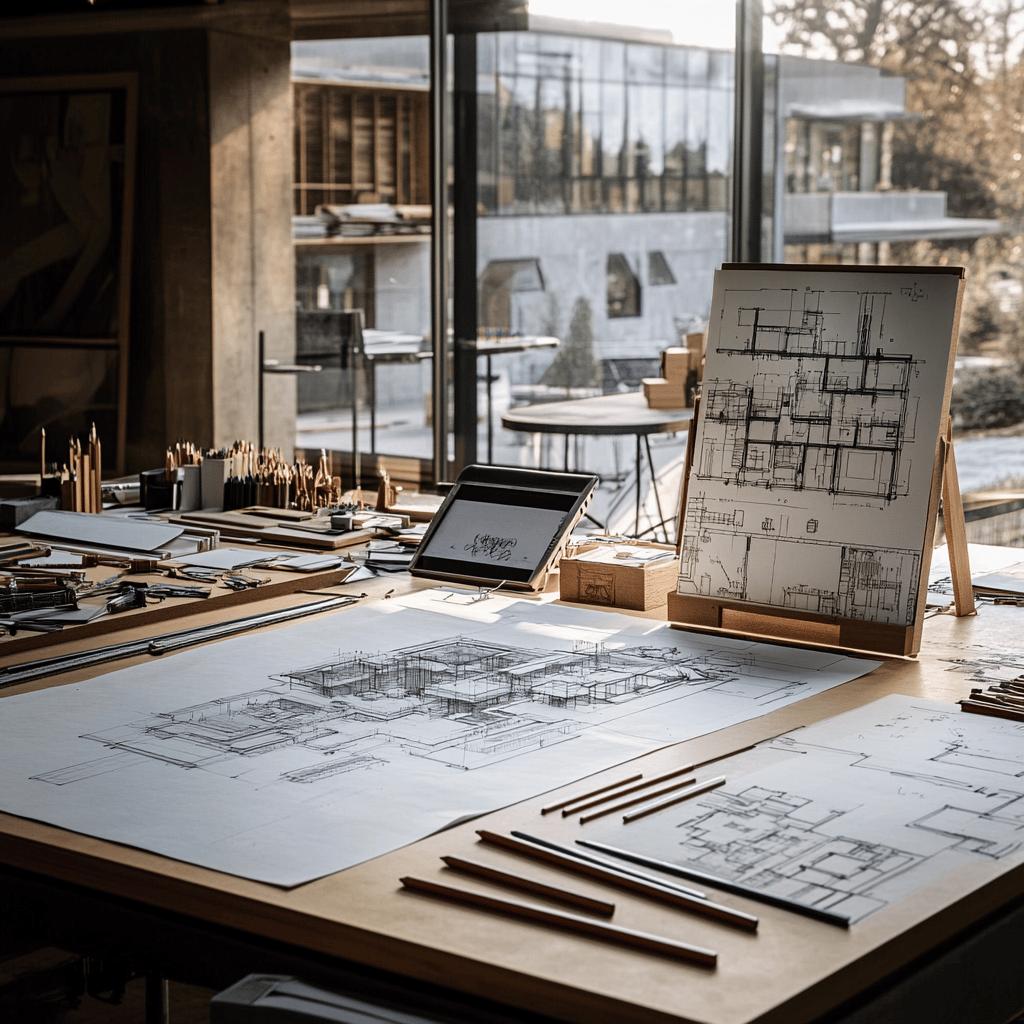
Clients often seek a more comprehensive set of architectural drawings to ensure they have a firm grip on project costs. This demand reflects a desire to minimize changes and uncertainties during construction.
However, the burden of creating those detailed documents doesn’t rest solely on the client. Often, it’s us architects who crank out extra documents in an effort to be more precise. Striving for detail and clarity is a big part of our gig.
Builder’s Requirements

The expectations of builders also play a significant role in how much documentation is generated. Interestingly, it’s often us architects producing more paperwork, not necessarily because the clients or builders requested it.
A good builder knows that sometimes less is indeed more. Straightforward projects can be executed with fewer details, showing confidence in their team. Excessive drawings can confuse matters, especially if someone isn’t used to deciphering them efficiently.
The Two Sides of the Coin
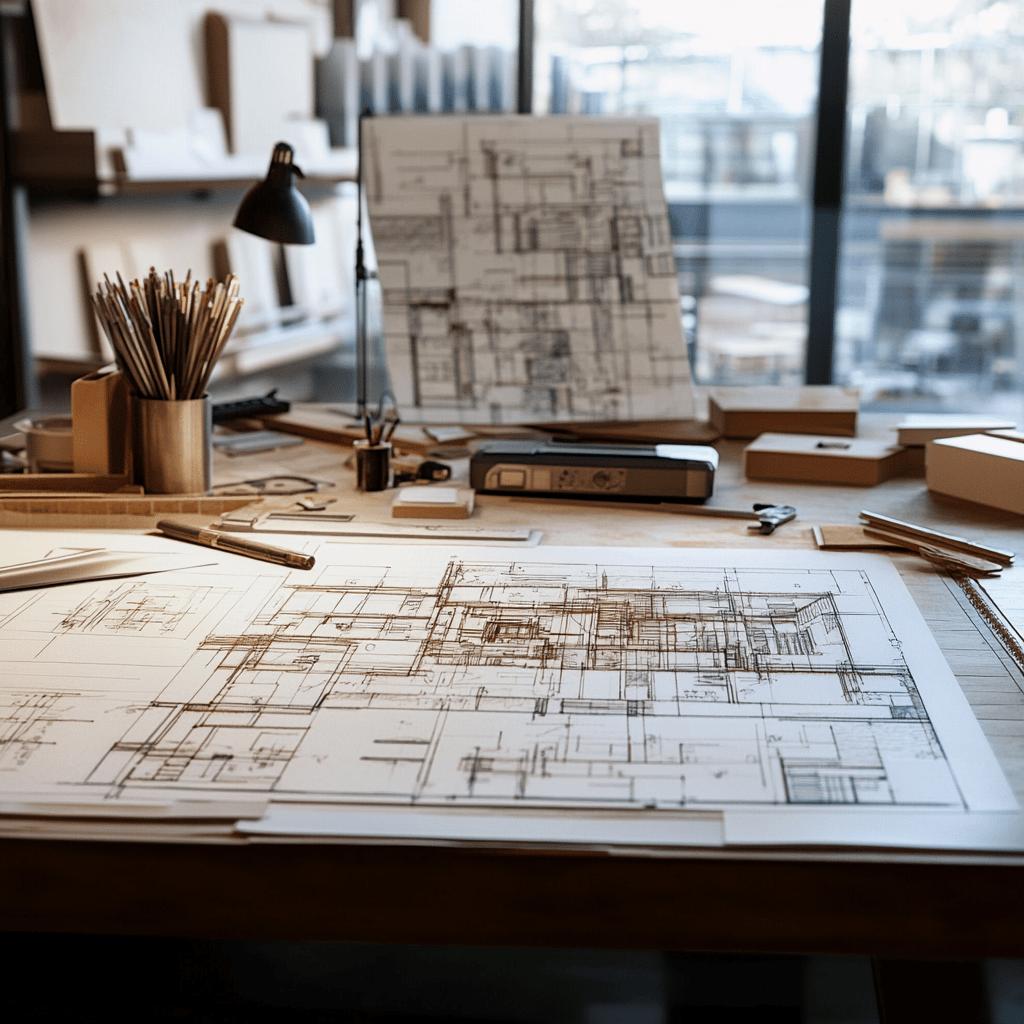
There’s a dilemma in the architectural realm. Believe it or not, you can be penalized for doodling too much. Sometimes, a flood of details can lead to misunderstandings, echoing the saying that “less is more.” On the flip side, insufficient designs can cause significant headaches. Lack of clarity can lead to errors and mess-ups that may jack up project costs.
So, finding that sweet spot between quantity and clarity in our documentation is a never-ending challenge. This is where an architect’s talent and experience really shine. Knowing when a project is documented just enough is like hitting the bullseye.
The Importance of Visual Communication
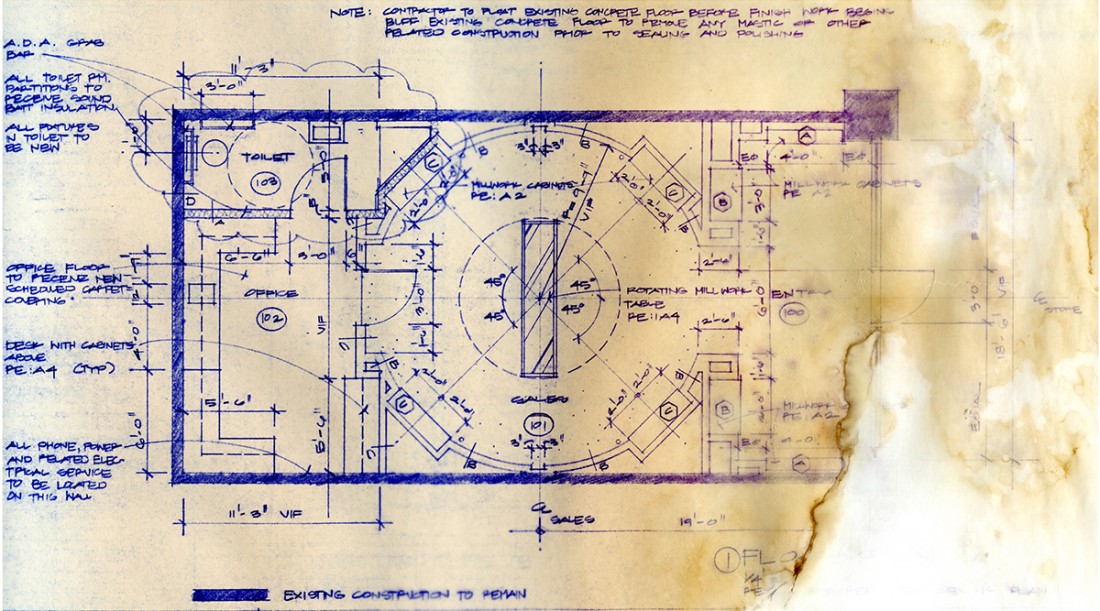
Effective communication hinges on visual clarity, and architectural drawings serve as the bridge to that clarity. They’re tools that help decode complex technical aspects for non-specialists, like clients and contractors.
With renderings and 3D visualizations, we can present our vision in a more digestible way. This not only improves communication but also builds trust. A client who understands the project is more likely to invest and engage positively with the architect.
Summarizing the Importance of Architectural Drawings
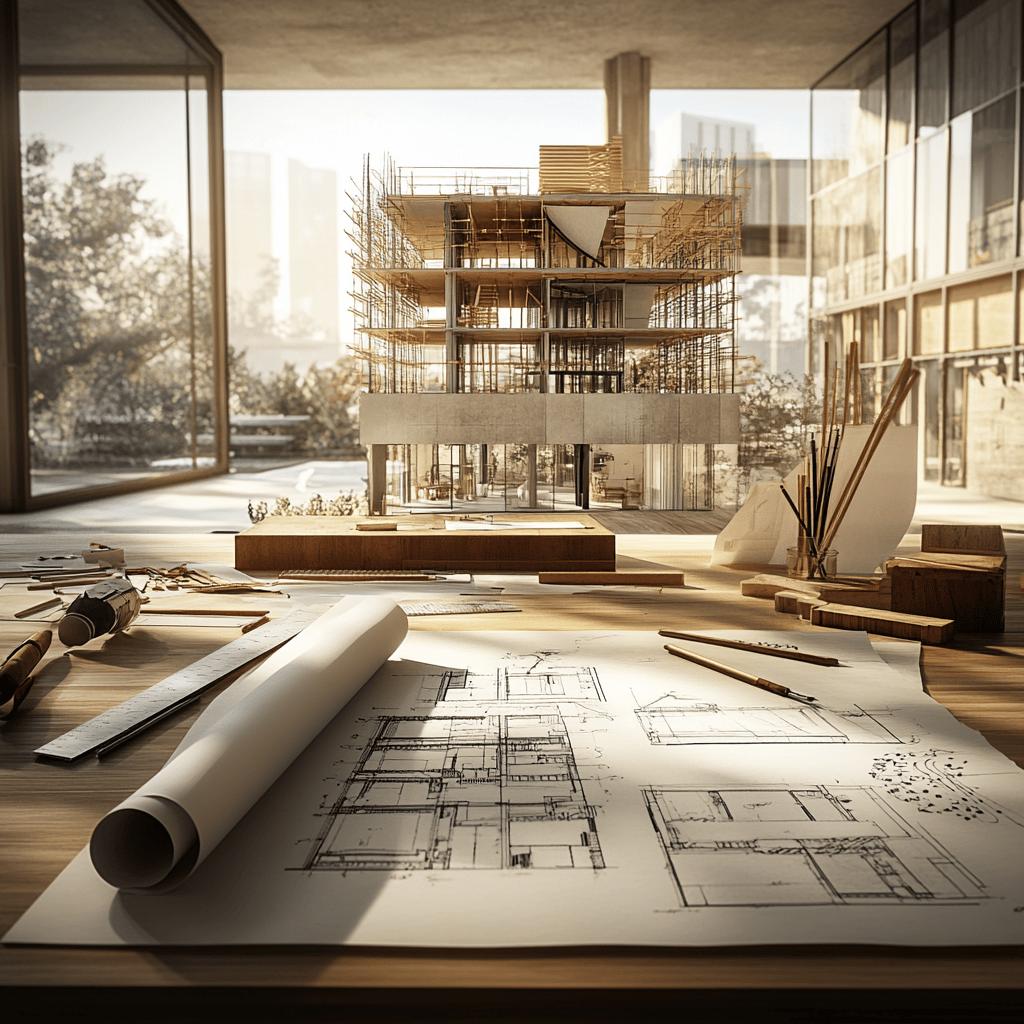
Architectural drawings are the heartbeat of professional practice. They serve as a vital guide, easing the interaction between all parties involved in the project. In considering their significance, we can’t overlook that good practice requires not just technical prowess but effective communication.
A summary table highlighting key points can assist in consolidating what we’ve learned. Here are some key details:
| Aspect | Importance |
|---|---|
| Communication | Facilitates understanding among all parties |
| Types of Drawings | Each phase demands a different approach |
| Technological Evolution | Boosts project efficiency and accuracy |
| Client Expectations | Desire for security and transparency in costs |
Architectural drawings aren’t just nice to have; they’re essential for ensuring that a project’s vision comes to life in the best way possible. Balancing the amount of information with clarity is an art form every architect must master.
So, pouring time and effort into crafting quality drawings is key to the success of any architectural endeavor. Plus, with a little wit and humor woven in, projects can feel a lot lighter—even if they don’t include a clown suit or a juggling act!