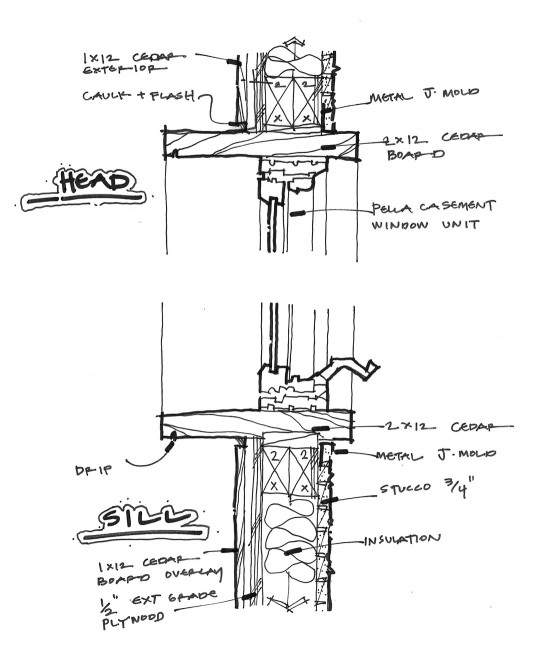


Have you ever realized how a small detail can transform the way we perceive an architectural drawing? The weight of lines can be a game changer in the clarity of a project.
Understanding the Concept of Line Weight
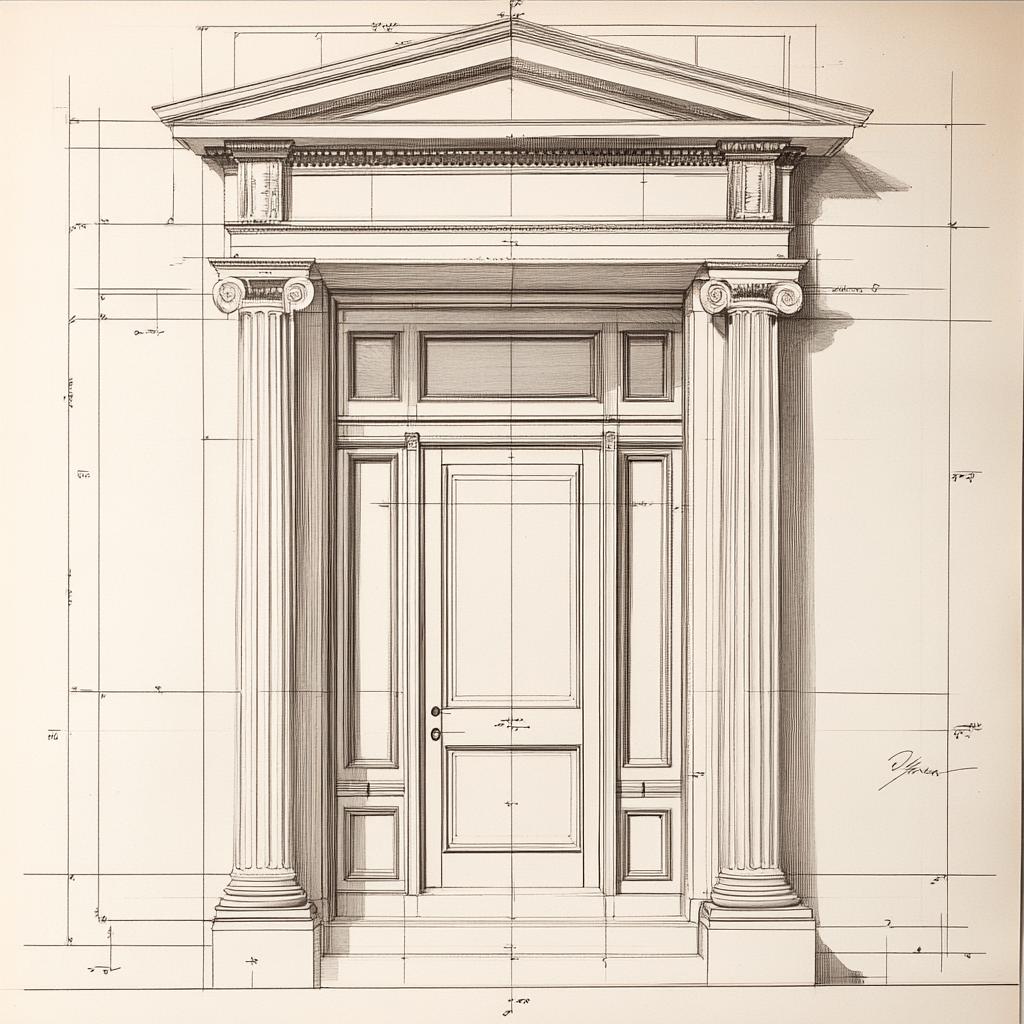
The concept of line weight is crucial in graphic architecture. It involves the thickness and intensity of the lines used in drawings and projects.
Thicker strokes can represent primary or important elements, while finer lines may be used for smaller details. This visual hierarchy helps guide the observer’s gaze, highlighting the most relevant parts of the project.
The Science and Art Behind Line Weight
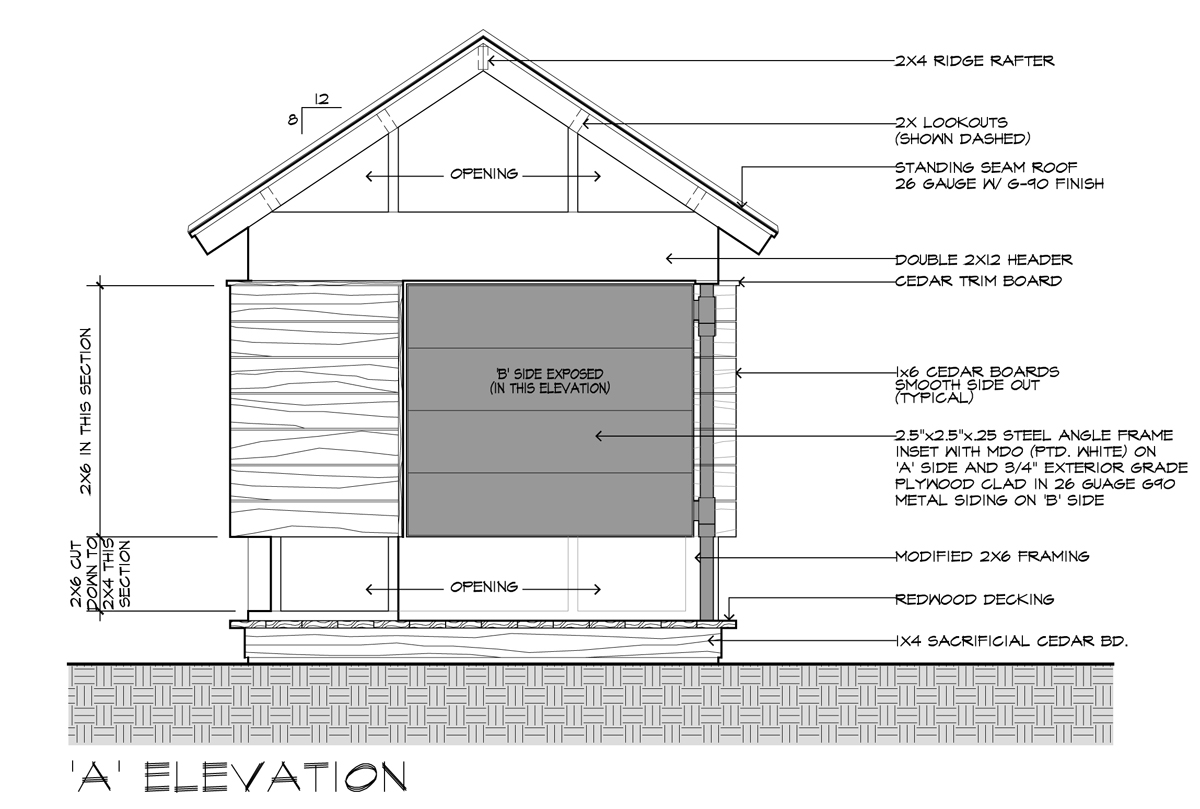
The use of line weight is about 37% science, 59% art, and 22% personal preference. This means that while there are general rules, personal interpretation plays a crucial role.
When I sketch a project, I instinctively decide on the most appropriate thickness for each line, often depending on the emotion I want to convey to the viewer.
Digital Tools and Their Adjustments
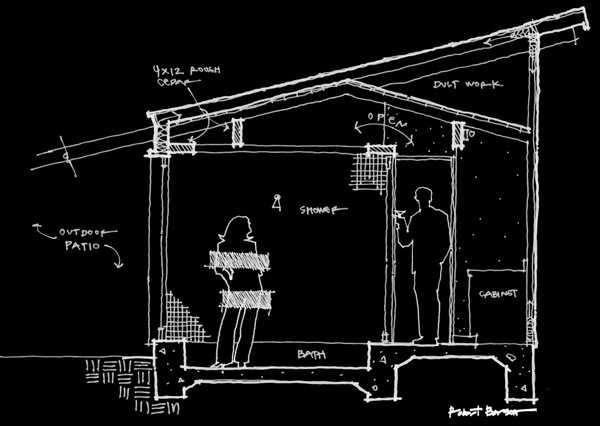
The use of software like AutoCAD, Revit, and others allows for precise control over line weights. Each program has its line weight settings. Being able to adjust these weights appropriately is essential for the clarity of the final drawing.
- Profile: The heavier line, outlining general contours.
- Heavy Weight: Used for items that need emphasis.
- Medium Weight: For shapes and openings in walls.
- Light Weight: Used for subtle details that shouldn’t overwhelm the visual.
Impact on Visual Communication
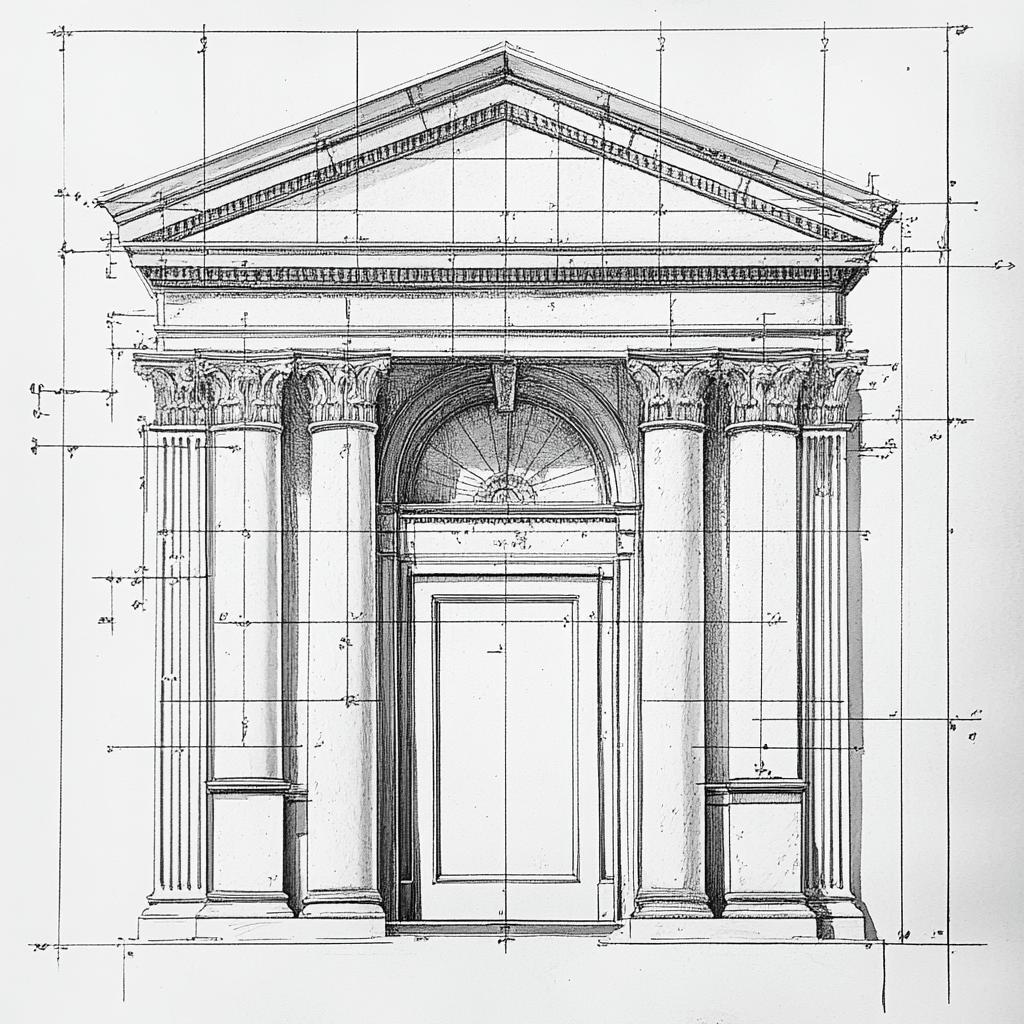
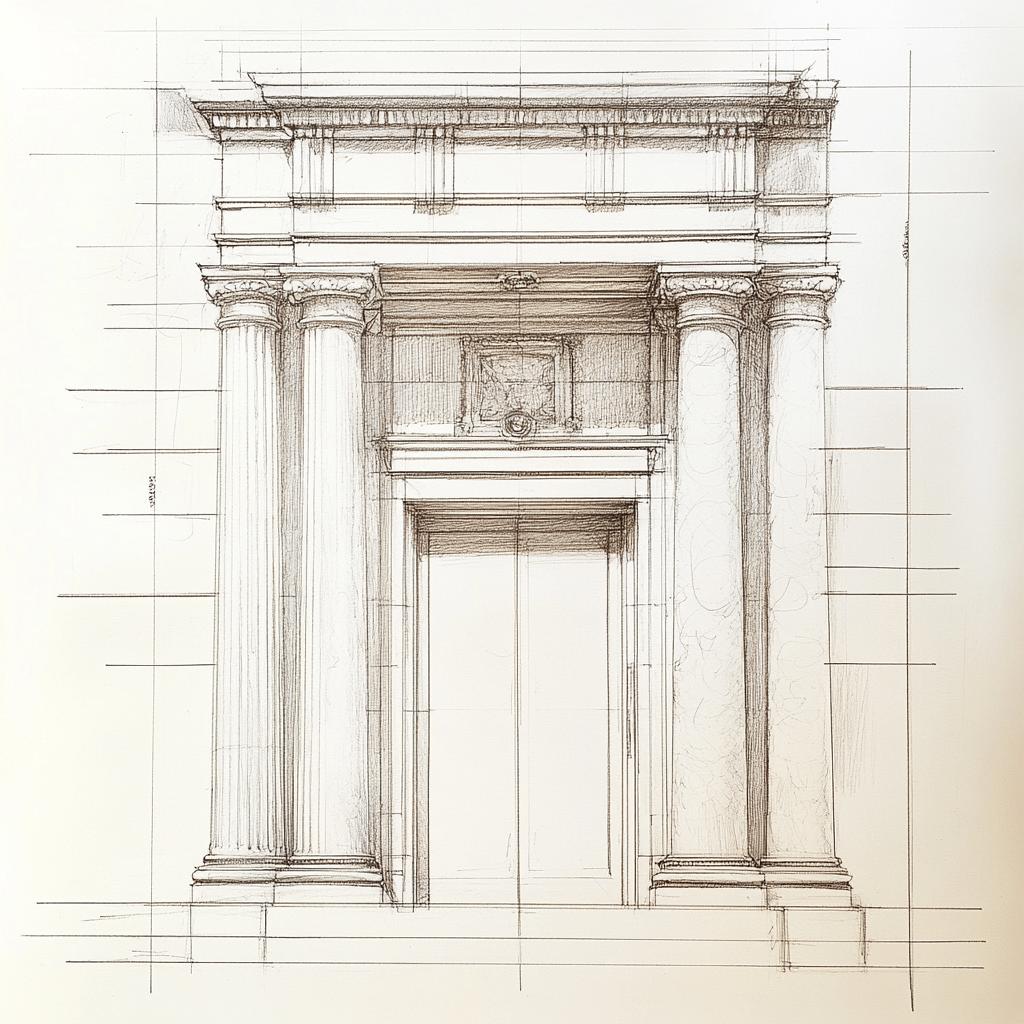
A well-placed line can completely transform the interpretation of a drawing. By using different weights, architects create a sense of depth and hierarchy.
A jumbled drawing, with excessively uniform lines, can make it hard to read the project. On the other hand, a strategic distribution of line weights facilitates understanding, allowing observers to quickly identify the most significant parts.
Practical Examples for Better Understanding
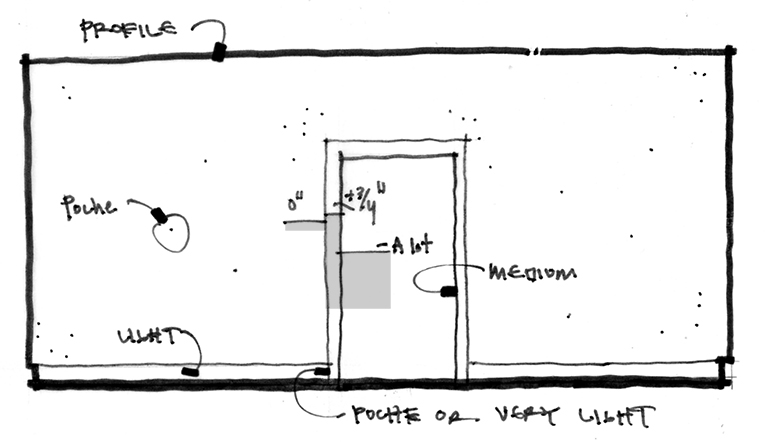
Imagine a sketch of a room. The walls receive heavy lines, representing solid structures. Meanwhile, the furniture, drawn with fine lines, stands out without competing with the structure. This visual balance creates a harmony that pleases the eyes.
During a lecture, I might present two drawings of the same environment. One with uniform lines and the other with varied weights. The audience can easily perceive that the second drawing is clearer and more informative.
Summary Table of Line Weights
| Type of Line | Description |
|---|---|
| Profile | Main contours and foundational structures. |
| Heavy Weight | Important details that need emphasis. |
| Medium Weight | Intermediate structures and openings in walls. |
| Light Weight | Details that should not overload the drawing. |
Refinement in Hand Drawings
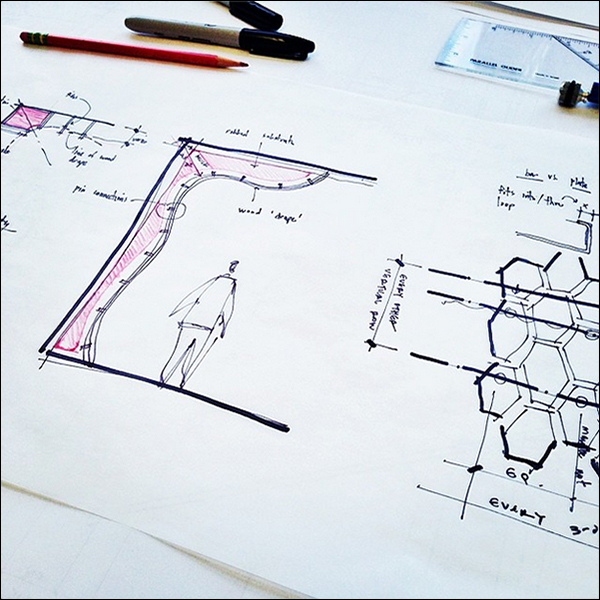
In hand drawing, the weight of lines becomes even more subjective. An artist might choose to use pens of different thicknesses to express this variation.
Using a single type of pen, the technique of overlaying can be applied—drawing first with a fine line and then going back with a thicker pen, accentuating the desired shape.
Lines and Space Perception
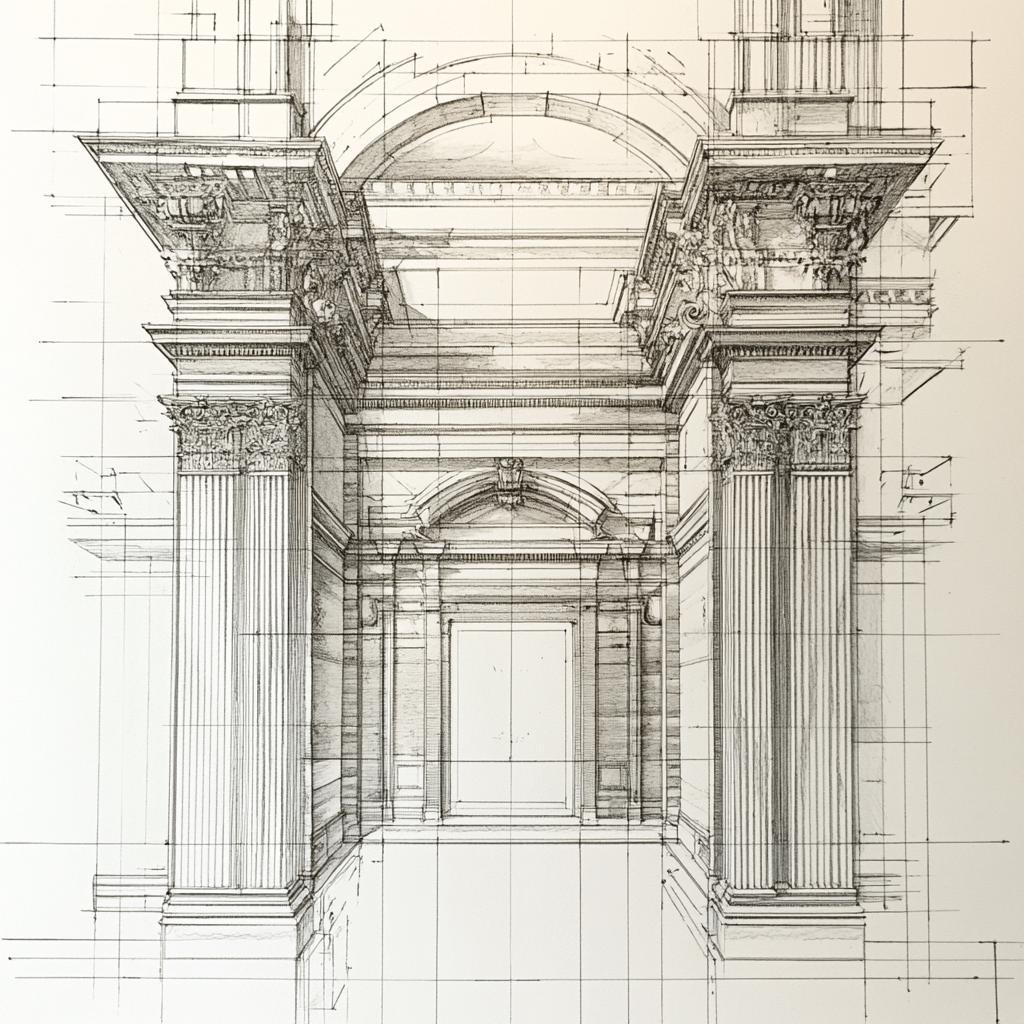
Heavier lines convey security and stability, while fine lines might suggest fragility or lightness. This affects how a space is perceived. A room drawn with heavy lines may feel cozier, while a sketch with thin strokes can seem much more open and airy.
Final Thoughts on Line Weight
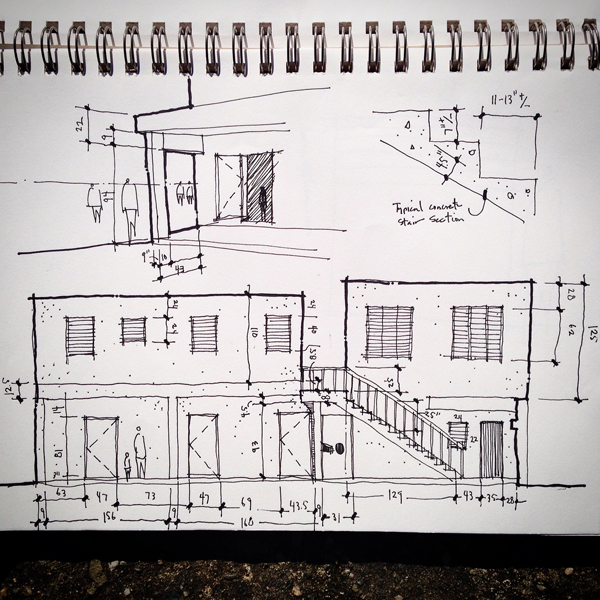
Line weight is a vital tool that every architect should master. It’s more than just technique; it’s a form of visual communication.
Understanding how to apply these principles correctly can make all the difference in the effectiveness of a project. So, when considering your sketches and digital drawings, always think about how the weight of lines can add value to your graphic communication. This approach not only enhances aesthetics but also optimizes the clarity of the ideas presented.