


Visual communication is essential in architecture. Proper alignment and accurate notes elevate clarity and efficiency in project execution, making your designs articulate and easy to understand.
Introduction to Alignment
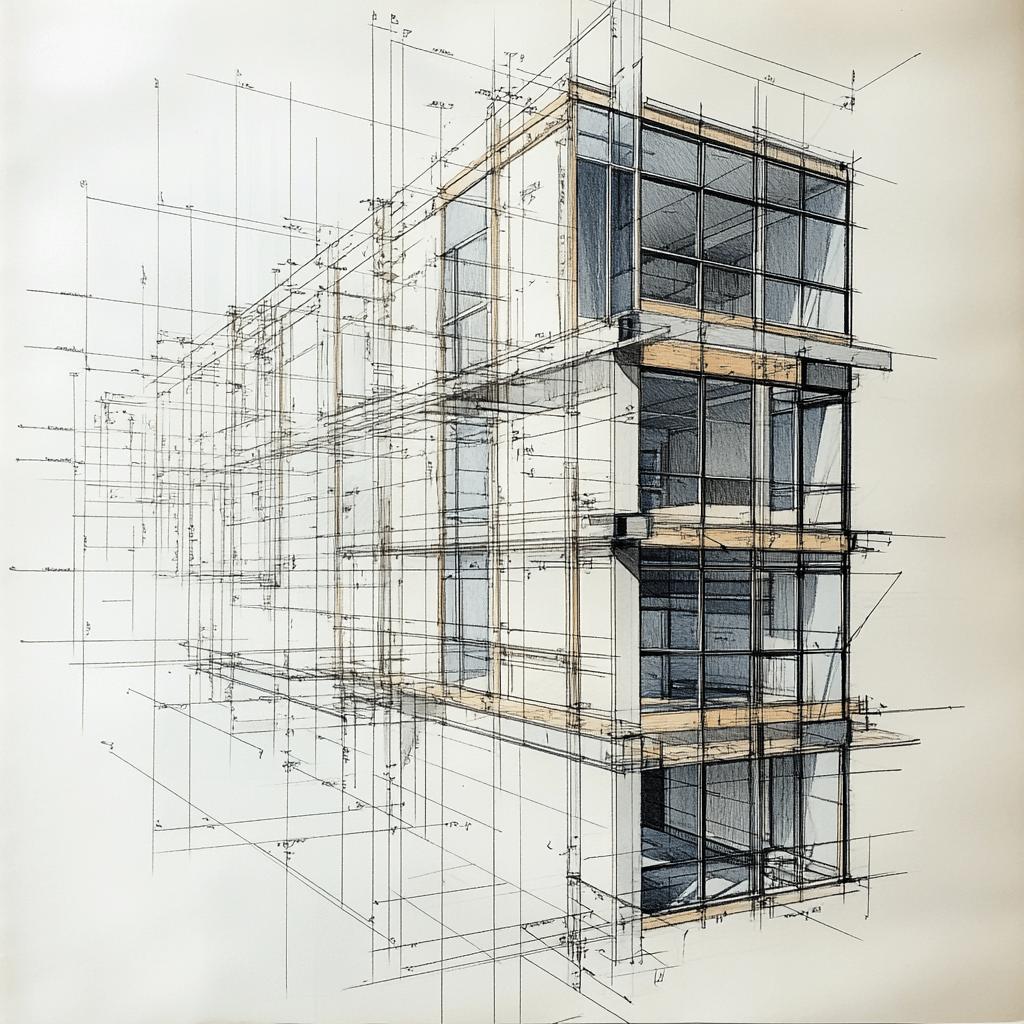
Have you ever thought about how alignment affects the clarity of your drawings? Just a simple tweak can completely reshape the way a project is understood!
When I talk about alignment, I’m not just referring to the positioning of elements; it’s about the aesthetic organization and the relationship between parts. A well-aligned project offers a smooth and natural reading experience, kind of like a perfectly brewed cup of coffee on a rainy day.
The Importance of Drawing Notes
Drawing notes are like breadcrumbs leading the way for architects and others involved in the project. They clarify details, references, and instructions—think of them as the GPS guiding construction from start to finish!
A well-annotated detail can avoid construction errors. So, crafting notes requires care and clarity, kinda like making sure the salt goes in the dish and not the sugar!
Organizing Drawings
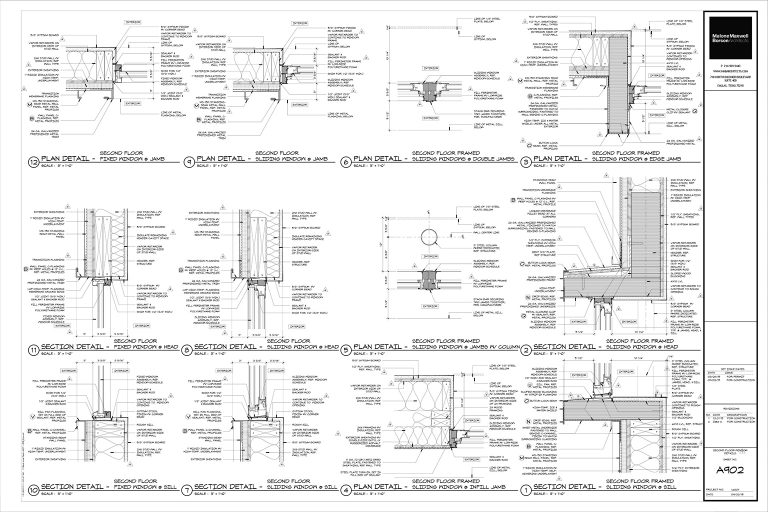
A sheet of drawings should be dense yet organized—a blend of art and science! Every element needs its rightful spot to minimize blank spaces, just like how I’d arrange my sock drawer for maximum efficiency (because no one wants to go fishing for a matching pair).
By using an implied grid, elements naturally organize themselves. This creates harmony, showcasing details in relation to one another, similar to how well-mixed colors can transform a canvas.
How to Maximize Clarity

Using appropriate scales is one of the ways to maximize clarity. Working with clear scales and suitable details makes visualizing each aspect a breeze!
For instance, a scale of 3″ = 1′-0″ helps details stand out, illustrating their relationships accurately, making it much easier to wrap my head around the entire project, just like binge-watching a gripping series and feeling the excitement build!
Notes: Organization and Justification
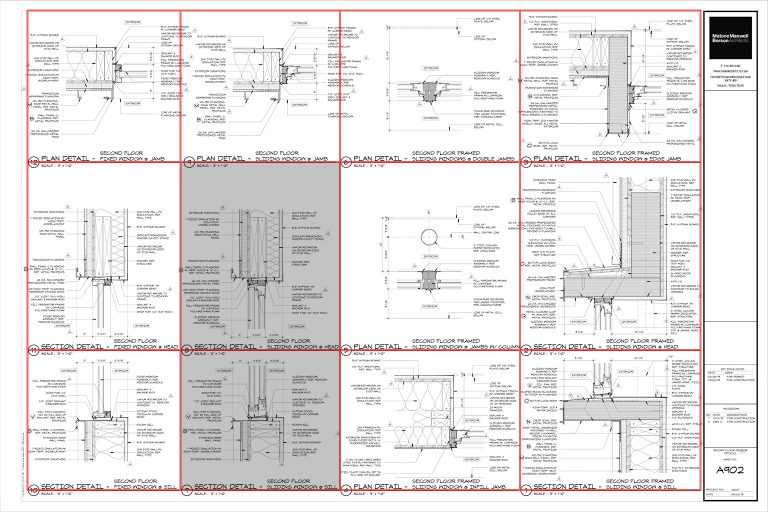
Justifying the notes is also essential. Keeping notes aligned to the left or right of details enhances readability. Texts justified towards details create a cohesive and intelligent visual.
Plus, ensuring sufficient space between notes and elements is crucial. A half-inch gap from details and an eighth of an inch from leader lines creates a fluid reading.
Summary Table
| Aspect | Description |
|---|---|
| Alignment | Organization and relationships between parts for effective communication. |
| Drawing Notes | Clarifications and references that prevent mistakes during project execution. |
| Scales | Enhance adequate visualization of elements in the drawing. |
| Justification | Improves readability by considering space and arrangement. |
The Impact of Visualization
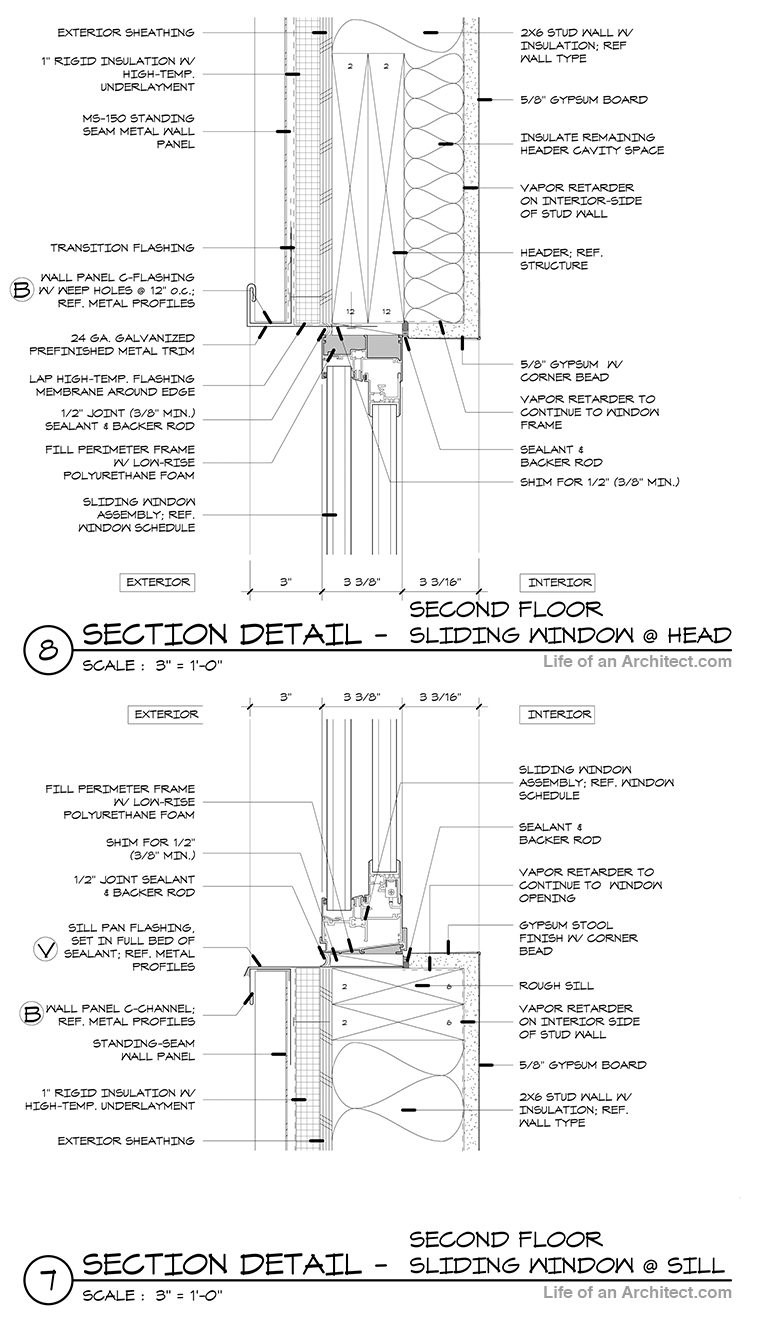
Proper visualization of details directly impacts project execution. Imagine the chaos of a misaligned stroke! It not only confuses but can also lead to rework and extra costs, like ordering a pizza with pineapple—suddenly there’s a debate!
As an architect, I always think about the experience of those interpreting my drawings. Every line should have a clear purpose, and the arrangement of elements needs to remain harmonious, much like a well-rehearsed dance troupe.
Additional Tips for Improvement
- Always review your notes: Each revision brings clarity, just like wiping the fog off your glasses.
- Practice alignment in every detail: This ensures consistency throughout all your drawings, like matching your socks.
- Stay up-to-date: Technologies evolve, and adapting is key, just like embracing the new dance moves!
The Importance of Feedback
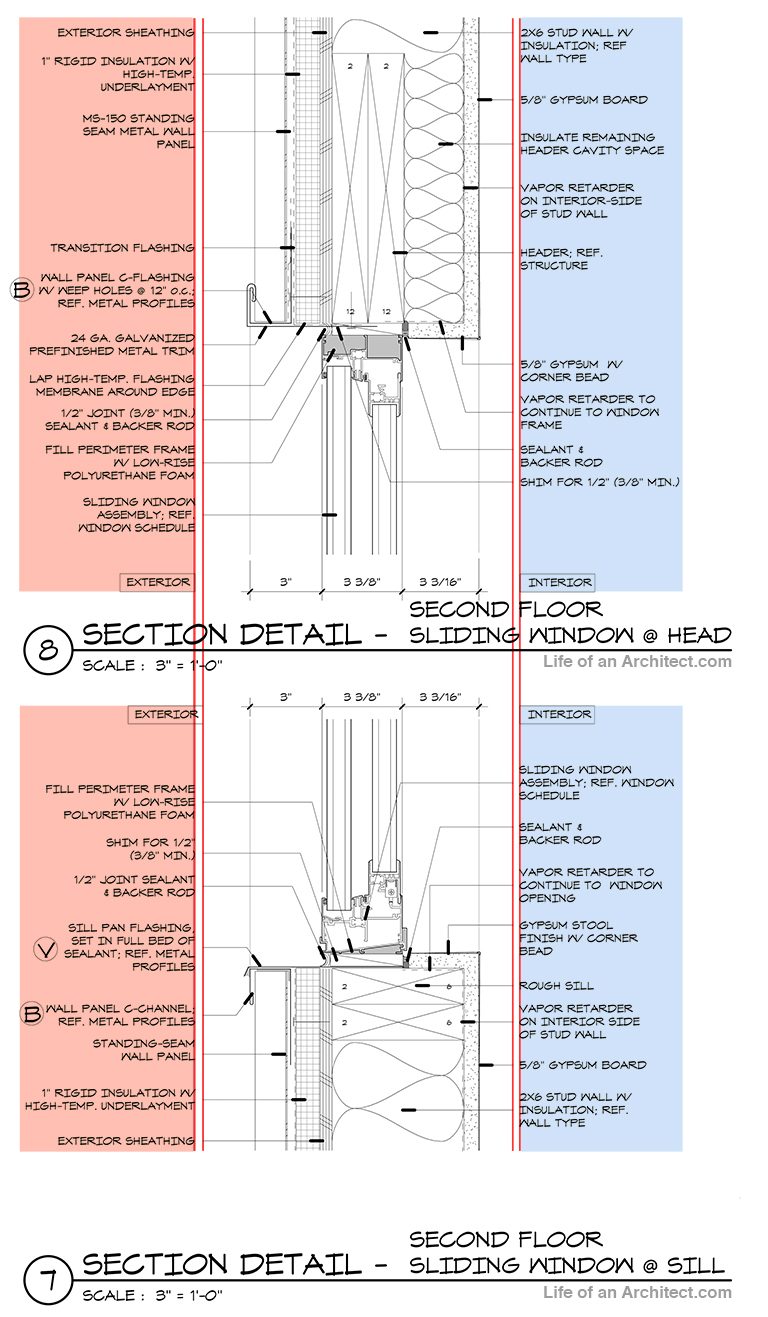
Finally, feedback is crucial. Sharing drawings and receiving opinions from other professionals expands vision and enhances work quality, like a potluck where everyone brings something delicious to the table!
If a detail is unclear, it needs revisiting. Chatting with colleagues can be the game-changer in improving communication through drawings.
So, a careful alignment and well-crafted drawing notes are the pillars of effective communication in architecture. By following these guidelines and constantly seeking improvement, I’ll be prepared to create incredible projects that shine.