

“`html
When it comes to bringing a piece of nature into your home, the Boston Fern, or Nephrolepis exaltata, a.k.a the Paulistinha Fern, is a stellar choice. It’s not just about its good looks; this fern is low-maintenance and perfect for both beginners and seasoned plant enthusiasts alike.
Key Takeaways
- Overview: The Boston Fern, or Nephrolepis exaltata, is a tropical beauty that thrives in various environments, especially indoors where it can brighten up a space.
- Characteristics: This fern features long, feathery fronds that create a graceful, cascading effect, making it an attractive addition to any decor.
- Care Instructions: With a few simple care tips—right soil, lighting, and watering—you can enjoy a lush, vibrant fern that enhances your living space.
- Common Issues: Like any cherished plant, the Boston Fern does have its challenges, including pests and diseases, which can be managed effectively with proper monitoring.
- Propagation: If you’re fond of this lush plant, propagating it by dividing clumps is quite rewarding and straightforward.
- Conclusion: With minimal effort, the Boston Fern can become a cherished part of your indoor garden, providing beauty and a breath of fresh air.
Introduction to the Boston Fern
Let’s face it: when you stroll into a room adorned with a thriving Boston Fern, it’s like a mini-vacation to the tropics! This plant, with its long, fluttering leaves, is not only a showstopper but also a straightforward friend in the world of home gardening. Living in a bustling city, I can attest to how this little gem brings a slice of the outdoors into my cramped apartment, effortlessly greening my life.
Unique Characteristics
Beautiful and Lush Foliage
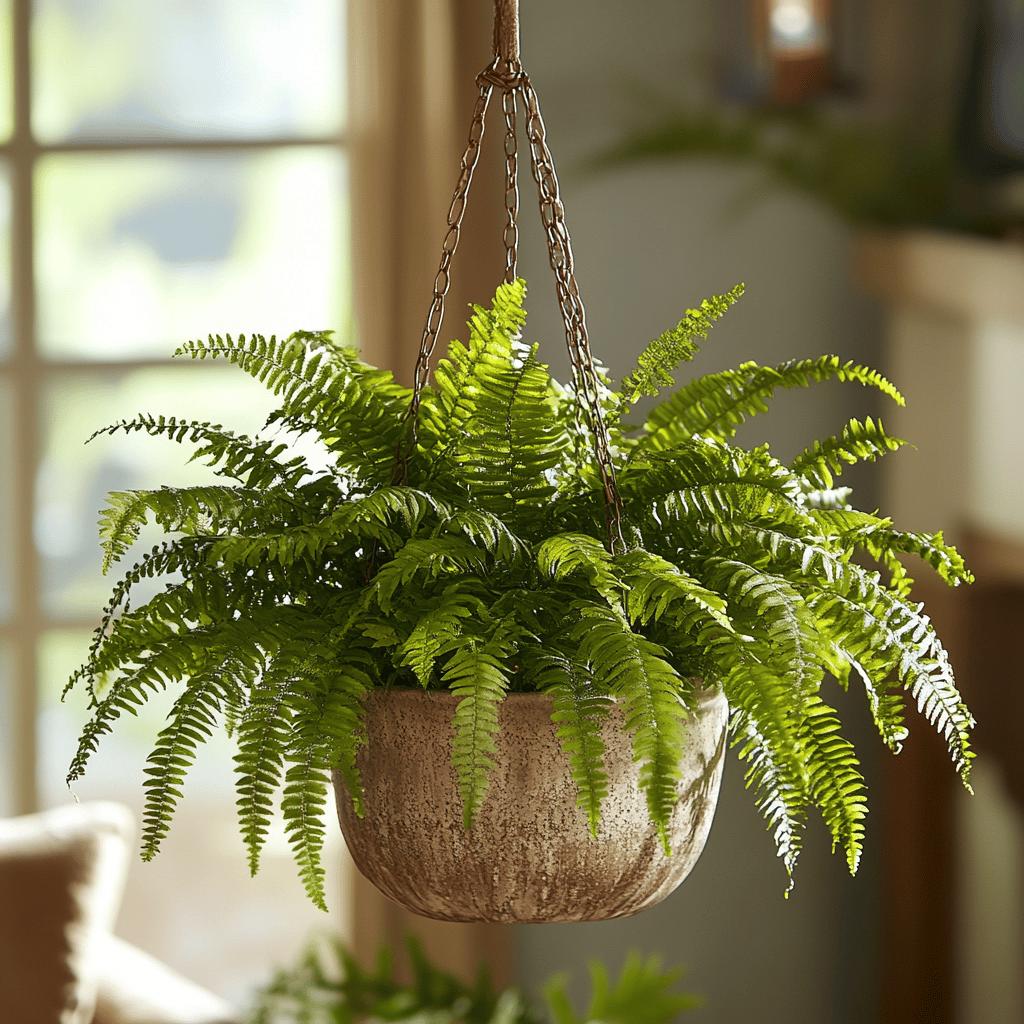
The Boston Fern boasts elegant, arching fronds that can reach up to 3 feet, giving it a fantastic presence. It’s like nature’s curtain, elegantly draping over shelves or hanging in a basket. Every time I walk past, I can’t help but admire its fresh, vibrant greenery. It’s almost as if the fern is waving hello!
These ferns thrive in climates resembling their tropical origins, meaning they’re all about that humid life. That’s why they make perfect companions for those of us living in more moisture-friendly environments.
Optimal Growing Conditions
Soil Preferences
Finding the right soil for my Boston Fern was a little adventure. It’s important to provide it with well-draining, nutrient-rich soil. A mix specifically for ferns or a combination of potting soil, peat moss, and perlite works wonders. Think of it like the cozy bed of nutrients they crave!
This soil mix keeps things airy, offering a breathable haven for the roots so they can stretch and grow without suffocating.
Perfect Lighting
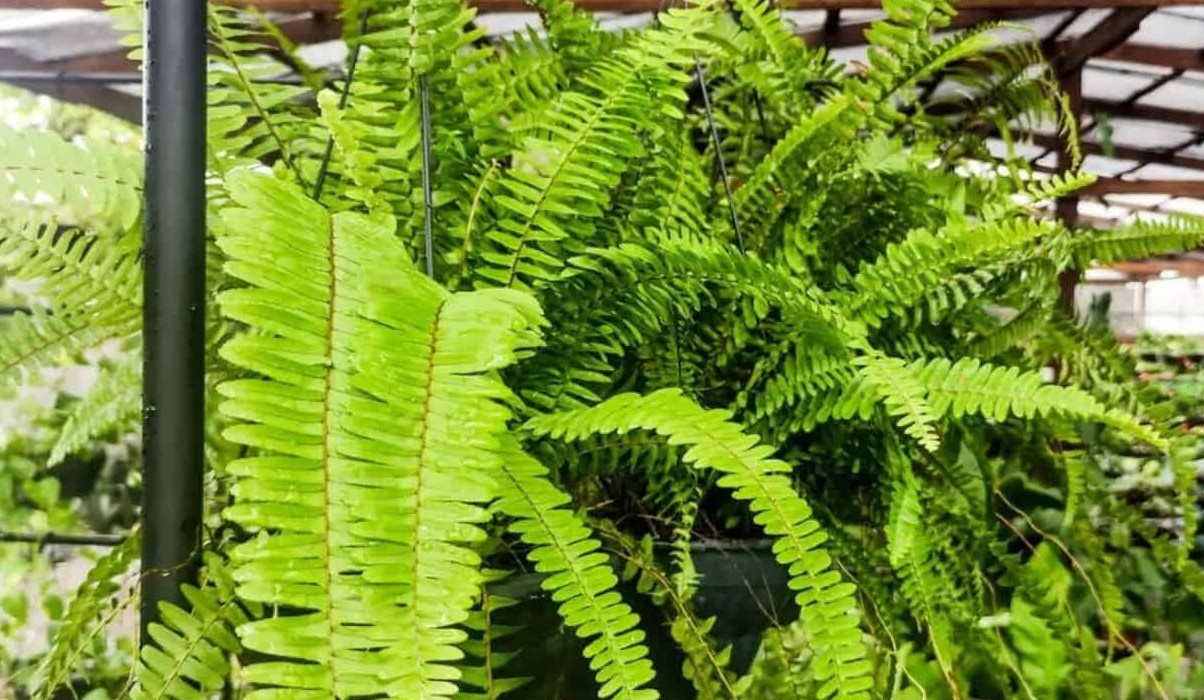
Now, let’s talk lights, shall we? Boston Ferns shine brightest in indirect light. Imagine them basking in soft sunlight while staying shielded from harsh rays. I’ve found the best place for mine is near a window dressed with translucent curtains—still sunny, but filtered and friendly!
They are downright picky about too much sun, which can lead to scorched fronds. But they’re understanding if you hang them in a spot where they get plenty of dappled light!
Watering Wisely
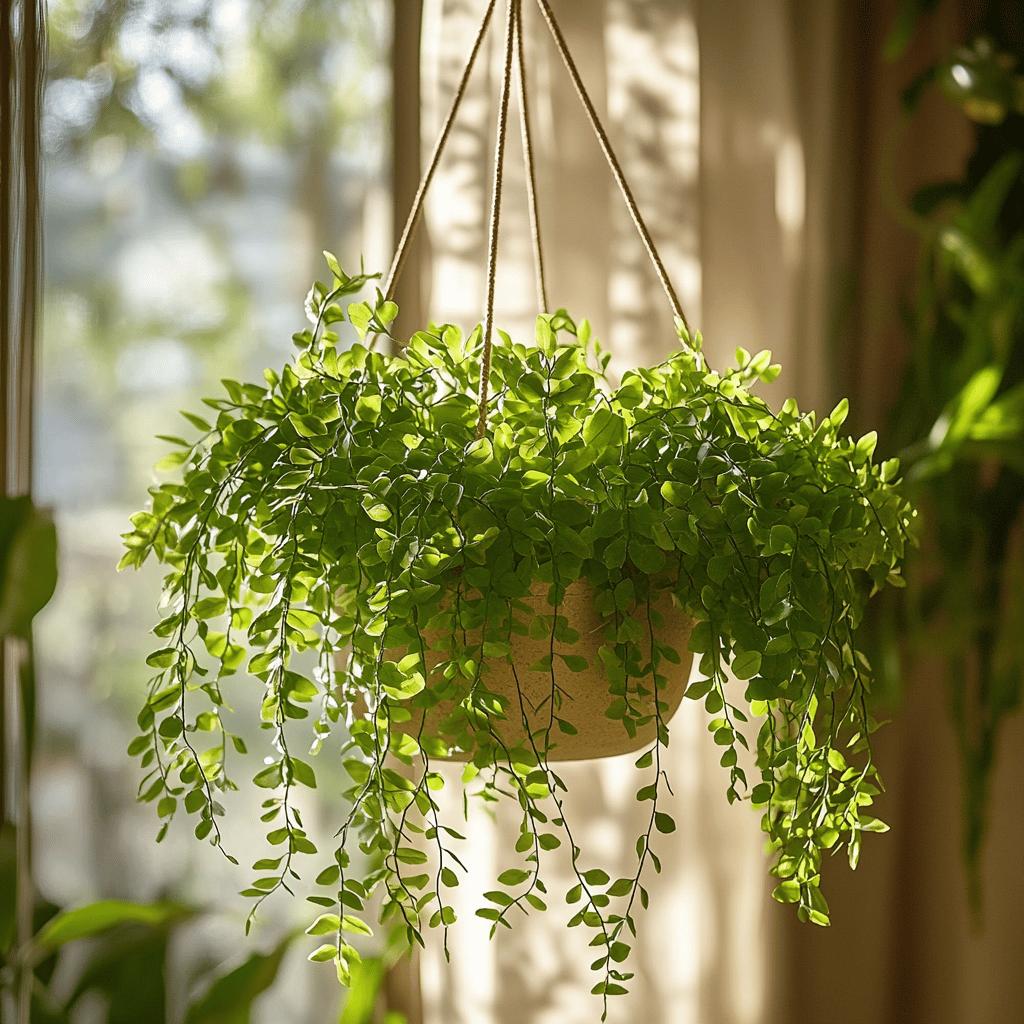
Ah, the delicate dance of watering—too little, and they sulk; too much, and they’d stage a dramatic wilt! Keeping the soil evenly moist is key; I aim to water mine when the top inch feels dry to the touch. Humidity is their secret love language. I even mist the leaves or use a pebble tray filled with water if the room feels too dry. A little spray here, a little sprinkle there, and we’re golden!
Common Challenges and Solutions
Pest Management Tips
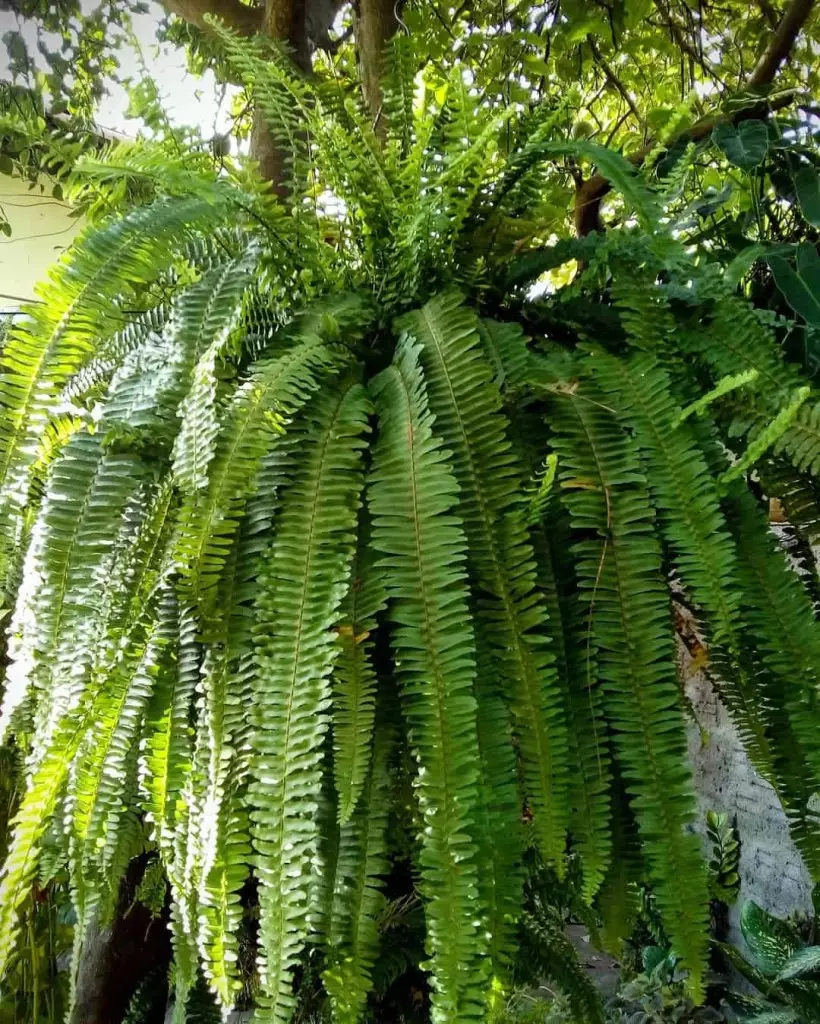
Even the most loved plants can face challenges. Boston Ferns can attract pesky pests like aphids and mealybugs. Keeping a close eye on the leaves helps me catch problems early. I reach for my gentle soap-and-water solution to knock out those little invaders.
For added protection, I occasionally give the fronds a gentle wipe to prevent dust from sticking around. After all, a clean fern is a happy fern!
Preventing Disease
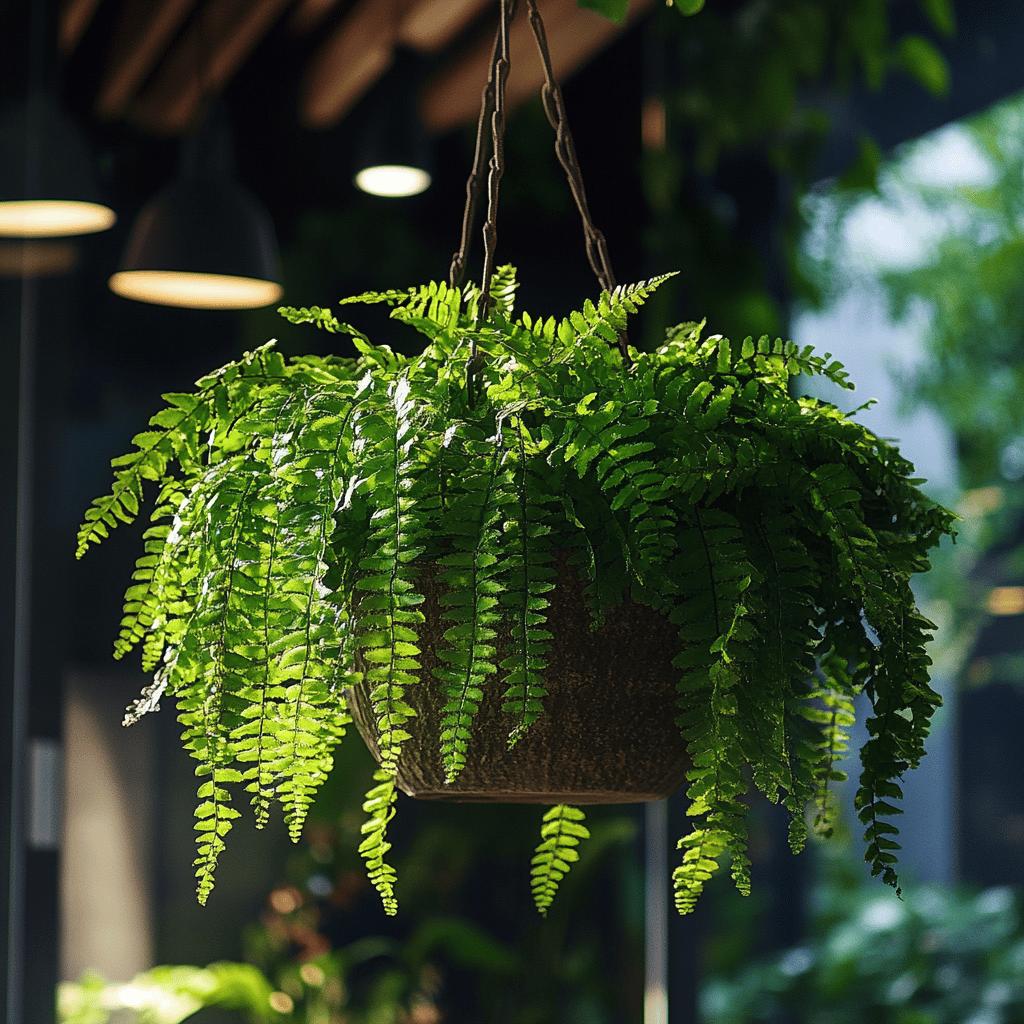
Just like us, plants can suffer from illness. Root rot is a sneaky foe, creeping up when we go overboard on watering. To keep my plant healthy, I ensure that my pot has adequate drainage. If you suspect root rot, don’t be shy to unearth and check the roots—sometimes a little pruning does the trick!
How to Propagate Your Boston Fern
Dividing Clumps
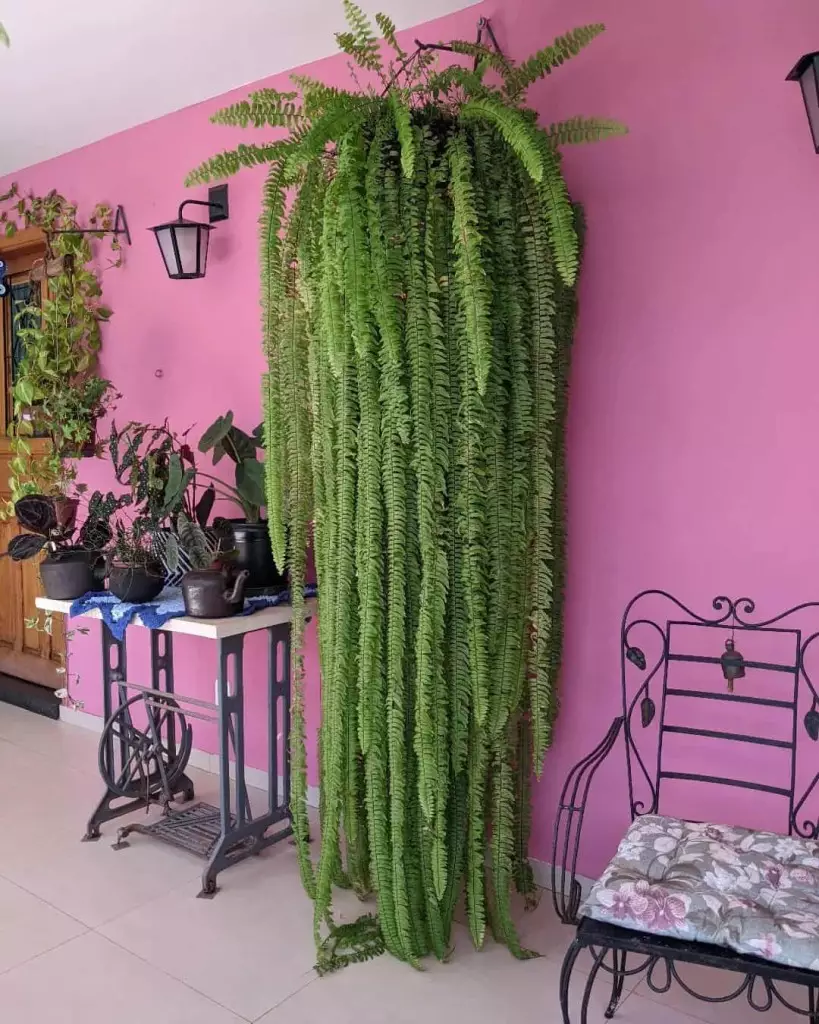
If you’re feeling adventurous and want more ferns in your life, propagating them is as easy as pie! The most common method is by dividing clumps during the spring when the plant is ready to thrive. Just gently pull the roots apart and replant them in their own pots. It’s like giving a little piece of your fern a new home!
Each new plant needs its own environment to grow strong. Soon enough, you’ll have a mini-forest sprouting in your home.
Conclusion: Your Companion for Life
In summary, the Boston Fern—or Nephrolepis exaltata—is a delightful addition to any space. With a little love and attention, it rewards you with lush greenery that freshens your air and souls alike. So if you’re looking to add a hint of elegance to your home, consider welcoming this fern into your life.
Your home and your spirit will thank you—plus, it’s a fantastic conversation starter! Who doesn’t want an exotic potential wall-to-wall tropical vibe? Trust me, it’s a decision you won’t regret.
“`