

“`html
The Sururu Project is a stunning initiative that turns mollusk shells into sustainable, elegant coverings that reflect the beauty and creativity of Alagoas culture. This venture not only promotes environmental responsibility but also highlights the rich Brazilian artisan tradition.
Key Takeaways
- Introduction: Discover how the Sururu Project merges design with sustainability, bringing Alagoas’ essence into the spotlight.
- The Sururu Project: Learn about the inception of this innovative initiative focused on repurposing mollusk shells for a better environment.
- Designers Behind the Magic: Meet the visionary designers, Rodrigo Ambrósio and Marcelo Rosenbaum, who brought these beautiful coverings to life.
- Featured Revestimentos: Explore the signature items of the Sururu Project, including the Mundaú Cobogó and the vibrant Solar collection.
- Using the Revestimentos: Gain insights into how to incorporate these unique coverings creatively in your home.
- Conclusion: Reflect on the Sururu Project’s significant blend of aesthetics, sustainability, and cultural pride.
Introduction
Sometimes, I wonder how something as humble as a mollusk shell can be transformed into a stunning piece of art and function for our homes. The Sururu Project is precisely that—a bridge between nature and creativity that brings vibrant color and texture into our spaces while promoting environmental awareness. By embracing the local culture, this initiative has done something unique: it’s not just about décor; it’s about storytelling.
What is the Sururu Project?
So, how did this whole thing start? The Sururu Project isn’t just a whim; it was born from a real need to address the excessive waste created by the local mollusk industry. You see, these shells were usually tossed aside, causing environmental issues for the community in Vergel do Lago, Alagoas. But instead of letting them languish, a visionary named Marcelo Rosenbaum had an idea—an idea that would turn waste into a lavish resource. Partnering with local artisans, the project aims to not only create beautiful products but also foster community development and sustainable practices.
The Designers Behind the Magic
Let’s talk about the artists behind this project. Rodrigo Ambrósio and Marcelo Rosenbaum are not your typical designers; they’ve got a passion for innovation that shines through their work. By collaborating with artisans like Itamacio Santos, they harnessed traditional craftsmanship to create stunning coverings from the unusable shells of the sururu. This partnership reflects a beautiful fusion of modern design and Brazilian heritage, proving that creativity knows no bounds.
Featured Revestimentos of the Sururu Project
Alright, now let’s dive into the star players of the Sururu Project! These revestimentos are truly unique and serve various aesthetic needs.
Cobogó Mundaú
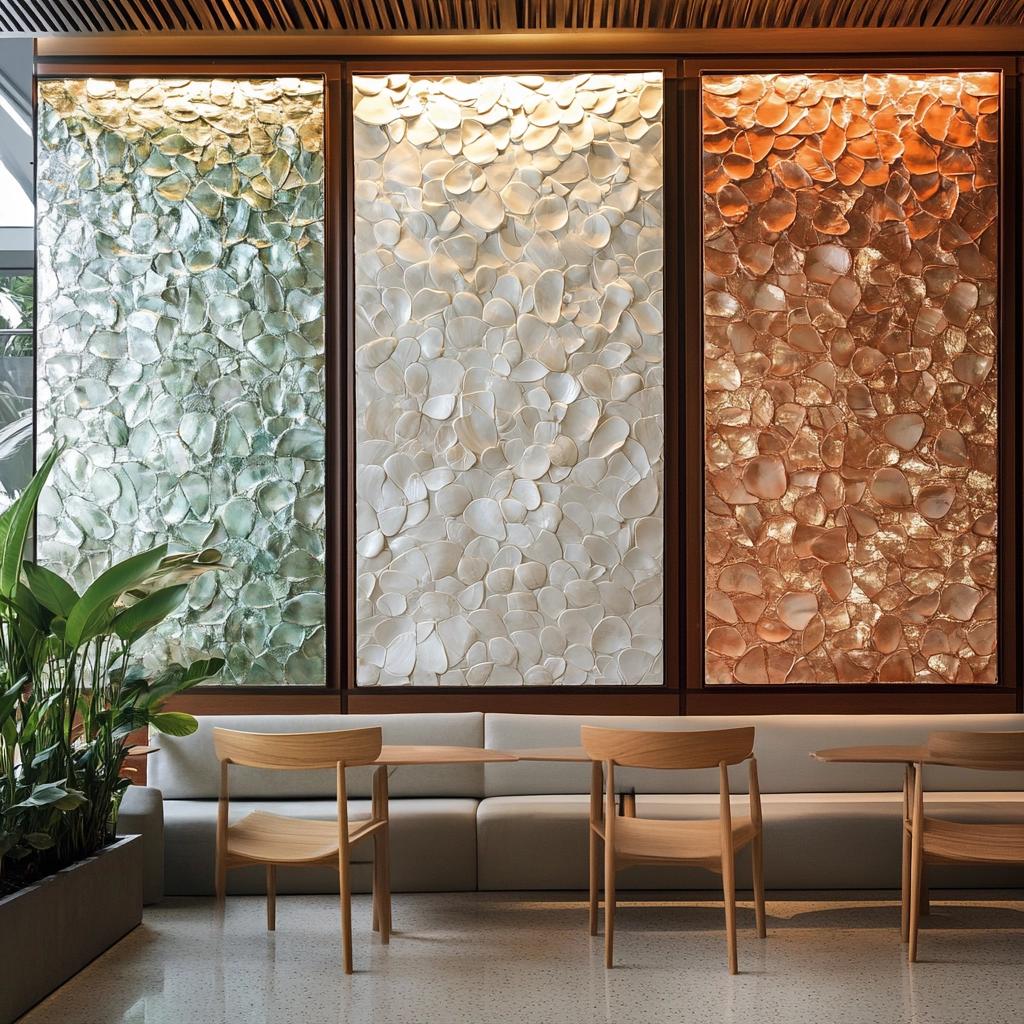
First up is the Cobogó Mundaú. This piece isn’t just for show; it’s functional and artistic. Crafted from the sururu shells, it features an organic, cut-out design that adds a touch of elegance to any setting. Imagine using it as a partition—allowing light to play through while providing some privacy. It’s like having your cake and eating it too when it comes to design flexibility!
Solar Line
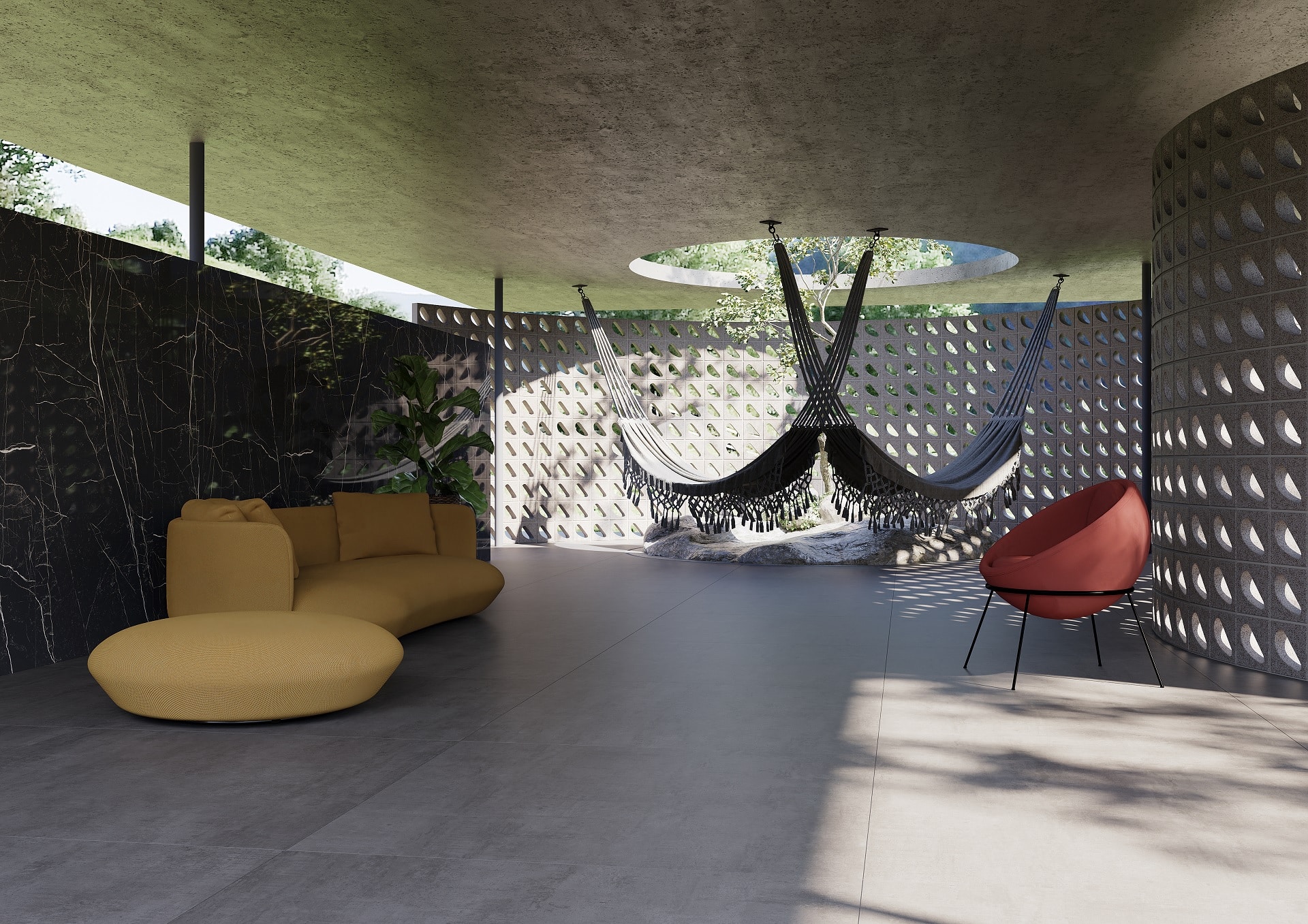
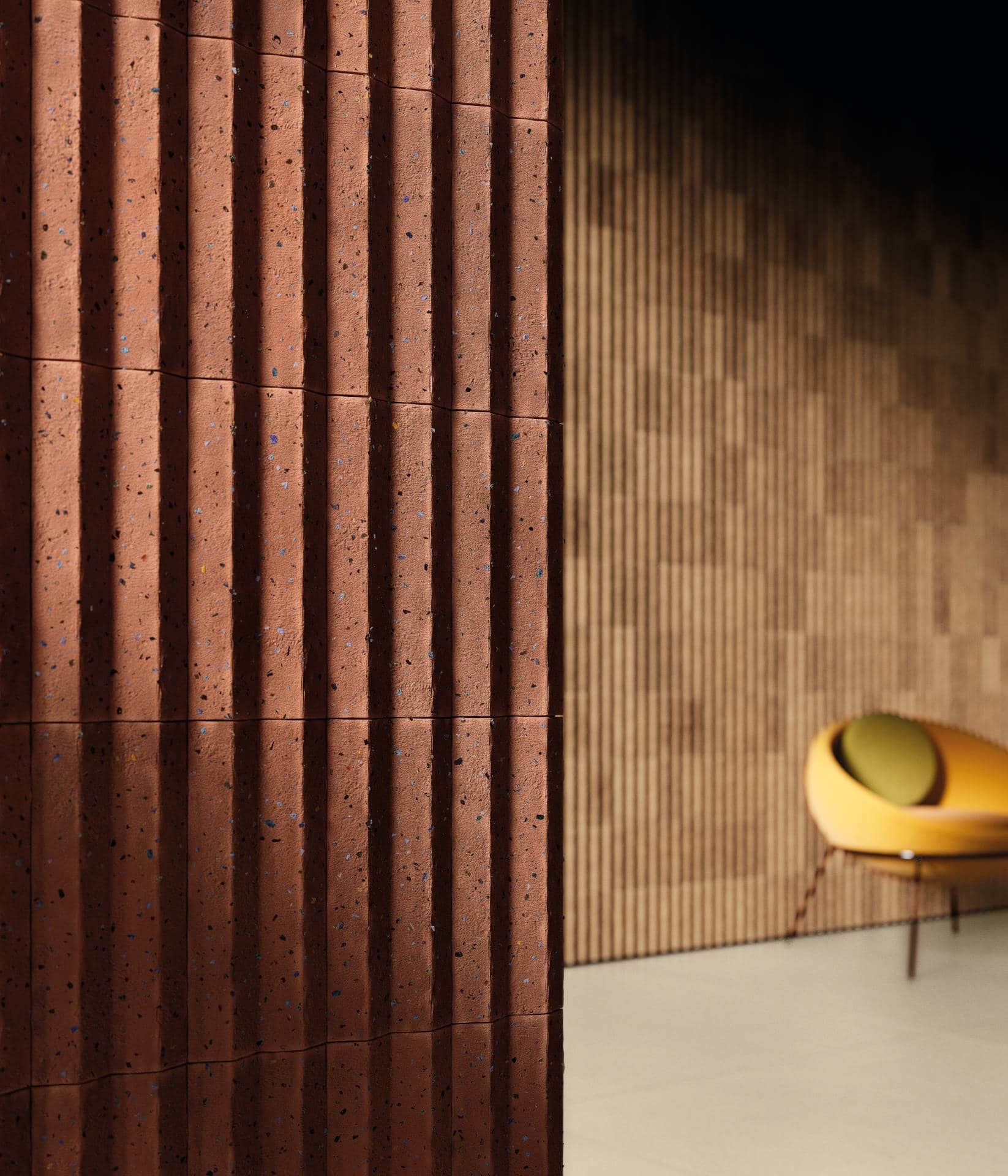
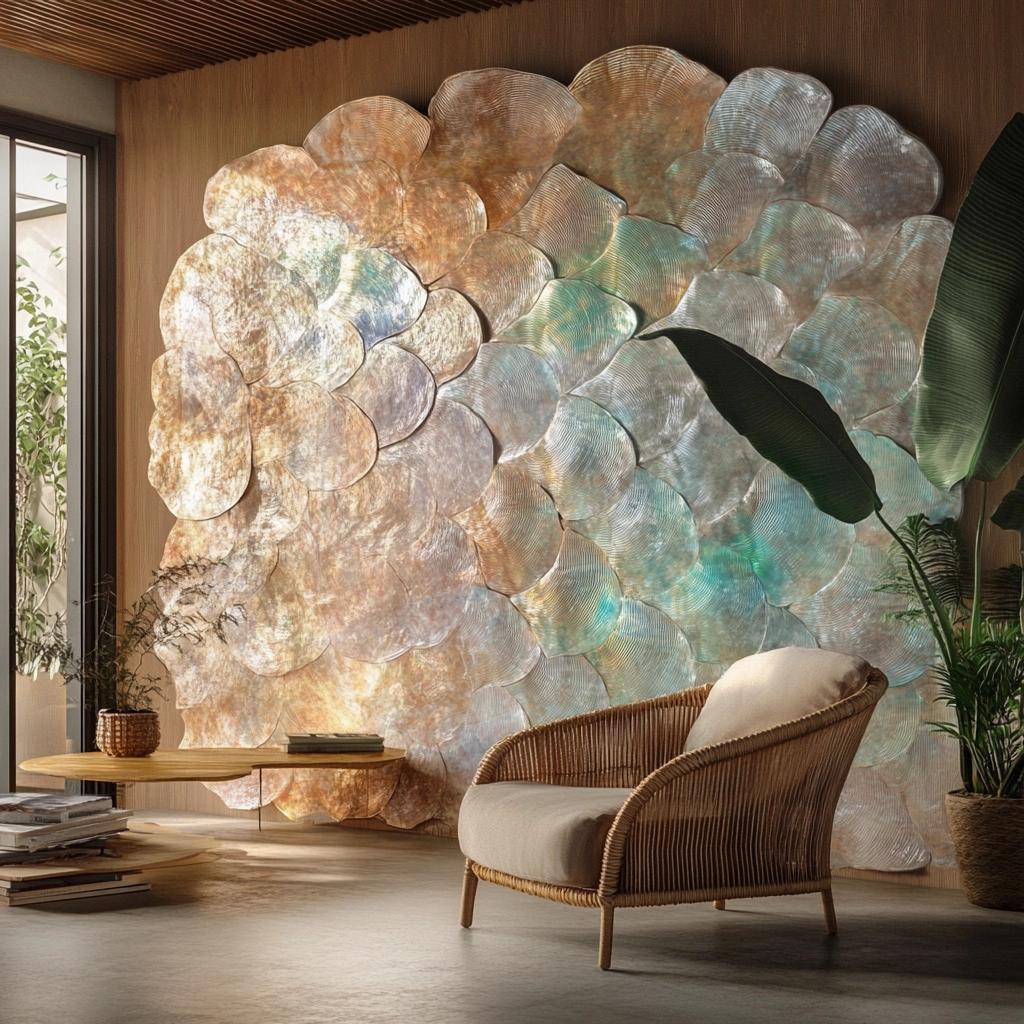
Hot off the press is the Solar Line, introduced in 2023. This collection showcases a vibrant cast of colors inspired by the brutalist architecture of Lina Bo Bardi. The earthy tones paired with the organic shine of the shells offer endless possibilities for creative expression in both indoor and outdoor spaces. If you’re looking to make a bold statement, this line will bring the heat!
Fita Line
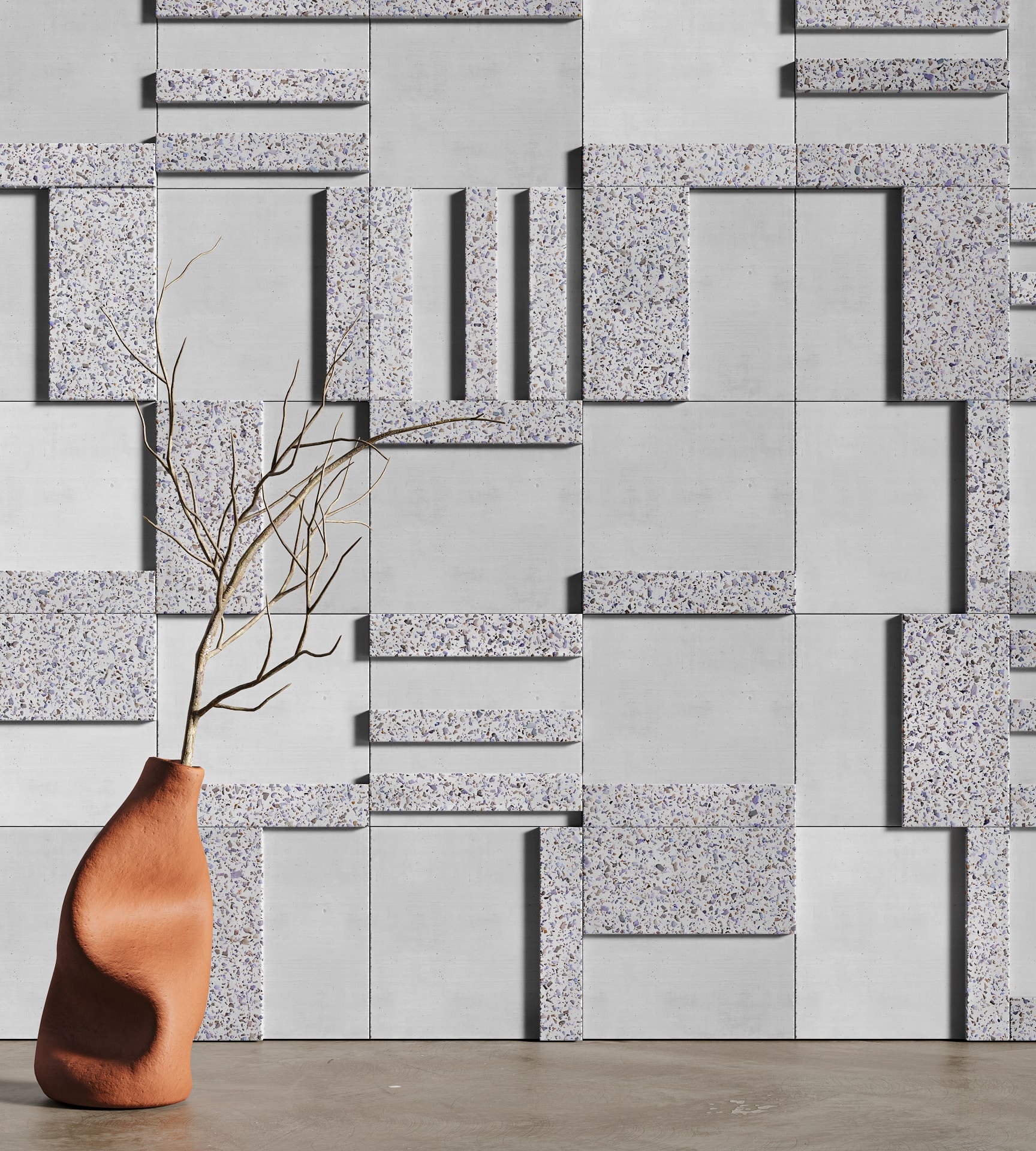
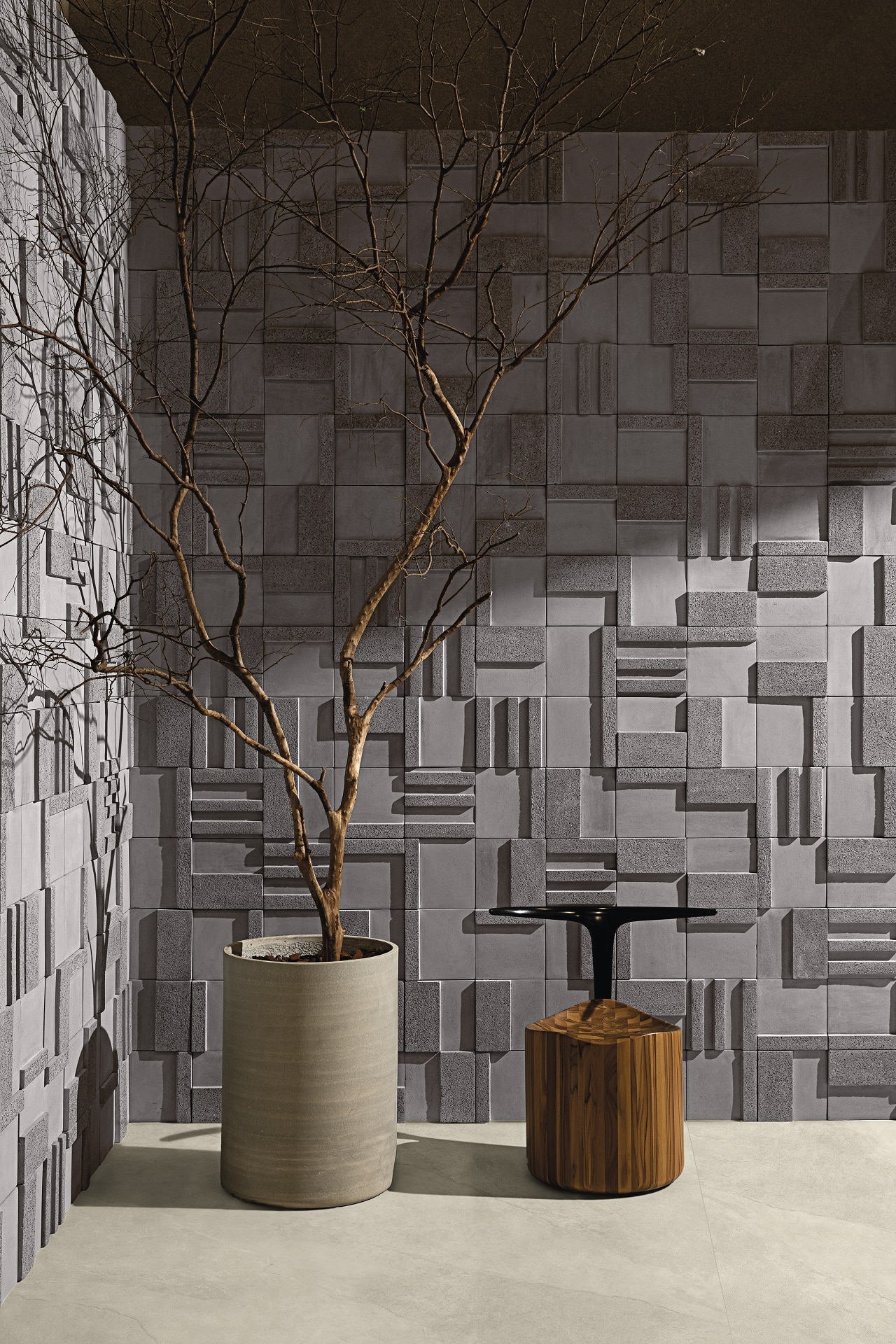
Last but not least, we have the Fita Line, which takes a whole new approach to design. Featuring textures and patterns perfect for mosaics, this collection allows designers and homeowners alike to unleash their creativity. Don’t you just love the idea of mixing textures to create something that mirrors your personal style?
How to Use the Revestimentos of the Sururu Project
Using these delightful coverings isn’t rocket science; it’s about embracing your unique vision! Here are some ideas.
Closing with Cobogó Mundaú
Thinking of using Cobogó Mundaú as a divider? That’s a brilliant choice! It lets light through while maintaining privacy. A perfect solution for those cozy corners in your home where you want to keep it private, yet inviting. Just a heads-up though, you might want to be strategic about where you install it to manage any water intrusion during rain.
Accent Walls

Oh, let me tell you about creating a wow-factor accent wall. The rich hues and textures from the Solar Line can help your living room or dining area stand out while adding a touch of sophistication. And if you throw in some lighting, you’re not just talking about a pretty wall; you’re creating an experience!
Ribbed Panels
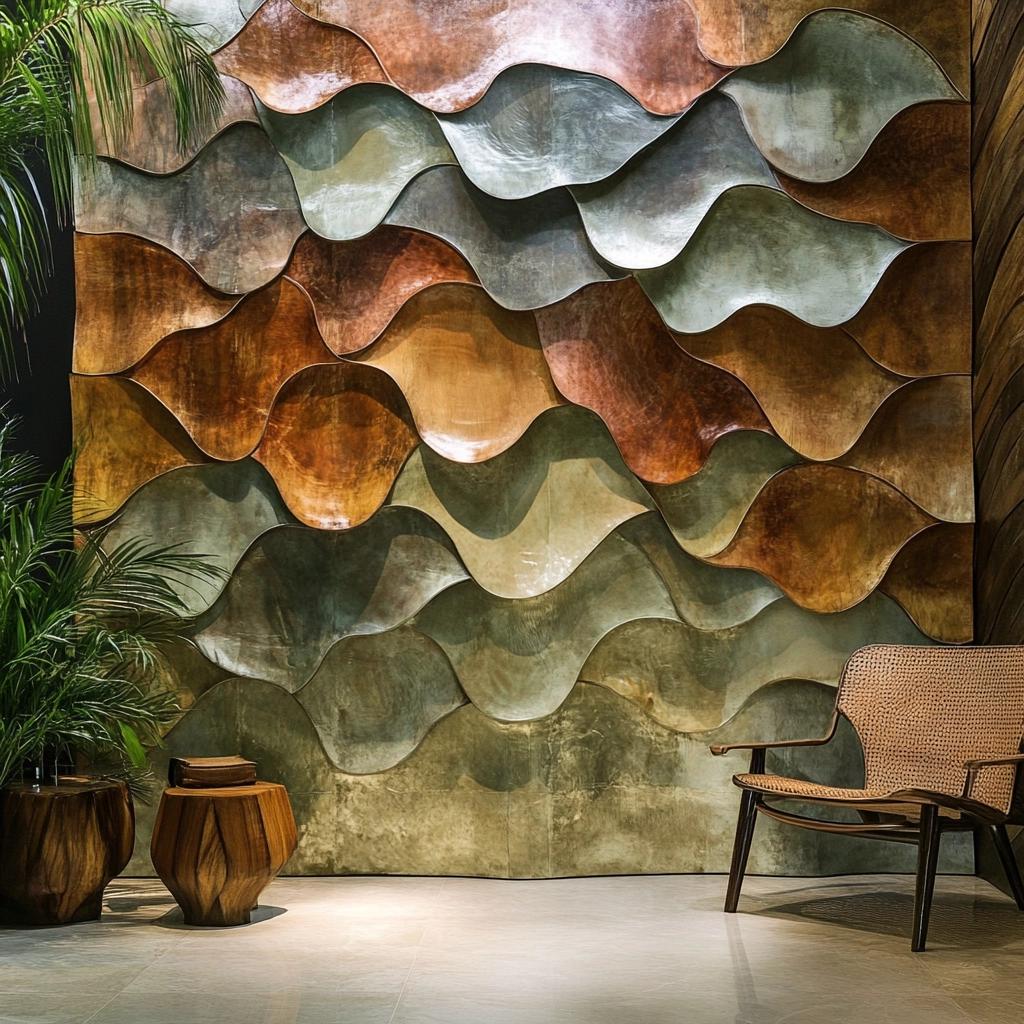
If you want a cozy vibe, consider a paneling effect created with the Solar line. Textured wall designs can add major warmth to any space. You can choose from many colors, scaling them to fit any area, and oh boy, your guests will be puzzled by just how you achieved that inviting look!
Details with Cobogó

Lastly, don’t underestimate the power of little details. Whether it’s using the Cobogó in decorative niches or as a part of unique shelving, these little touches can amplify your interior design while telling a story about sustainability and culture. Illumination plays a pivotal role here, so consider how you light your spaces!
Outdoor Applications
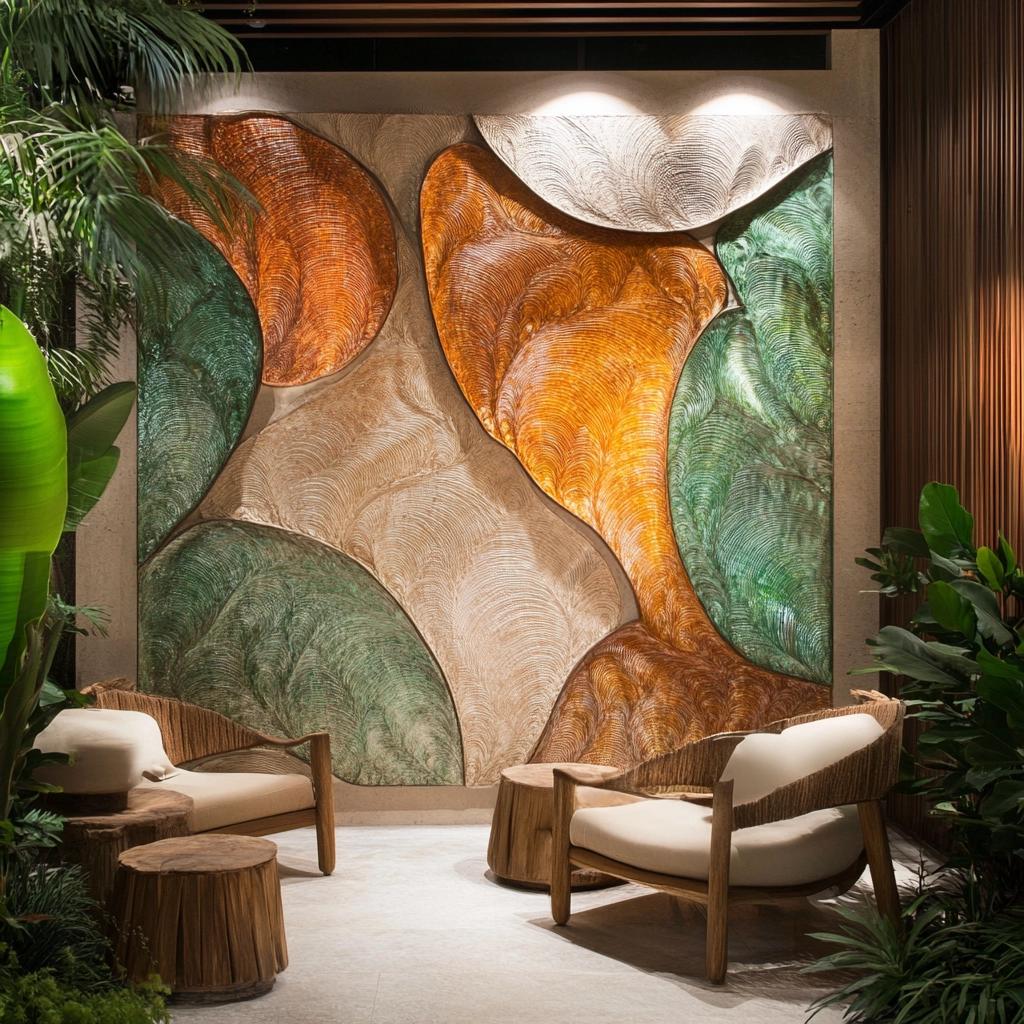
And here comes the fun part—using these coverings in outdoor areas! Gardens, facades, and outdoor dining spaces can significantly benefit from the aesthetic appeal that the Sururu coverings provide. Imagine sitting on your patio, surrounded by panels that not only look amazing but also reflect a commitment to sustainability.
Conclusion
The Sururu Project marries aesthetics with sustainable practices, making it a significant player in today’s design landscape. It stands as a testament to how creativity can impact our environment positively while embracing the rich heritage of Brazil. So next time you look around your home, think of the stories your walls tell and how they can connect you to the past while being eco-friendly.
“`