

Imagine a world where you can grow a money tree in your backyard! That’s the promise of putting pennies in soil, a gardening trend that has taken the internet by storm. But is it too good to be true? Let’s dig deeper and uncover the truth about this intriguing practice.
Key Takeaways
- Copper is beneficial for plant growth, but pennies are not an effective source of it. While copper aids processes like photosynthesis and disease resistance, the amount found in pennies is too small to make a significant impact.
- Pennies might help with slug control, but don’t rely solely on this method. The copper in older pennies can create a barrier that deters slugs, but planting slug-repellent plants is a more effective solution.
- If you want to add copper to your soil, try organic matter and copper-based fertilizers. These methods are more reliable and efficient ways to boost copper levels and promote healthy plant growth.
Unleashing the Power of Copper
As a plant enthusiast, I’m always on the lookout for new gardening hacks that promise greener pastures. When I stumbled upon the trend of putting pennies in soil, my curiosity was piqued. After all, copper is known to be a valuable nutrient for plants, aiding in processes like chlorophyll production and disease resistance.
However, as with any gardening trend, it’s essential to separate fact from fiction. I decided to dig deeper and consult the experts to uncover the truth about this intriguing practice.
The Science Behind Copper and Plant Growth
Before we delve into the penny debate, let’s explore the role of copper in plant growth. Copper is an essential micronutrient that supports various plant processes, including photosynthesis, enzyme production, and protein metabolism. When plants lack sufficient copper, they can experience stunted growth, discoloration, and increased susceptibility to diseases.
As a responsible gardener, I understand the importance of maintaining a healthy soil ecosystem. That’s why I’m always eager to learn about natural and sustainable methods to enhance soil quality and promote plant vitality.
The Penny Conundrum
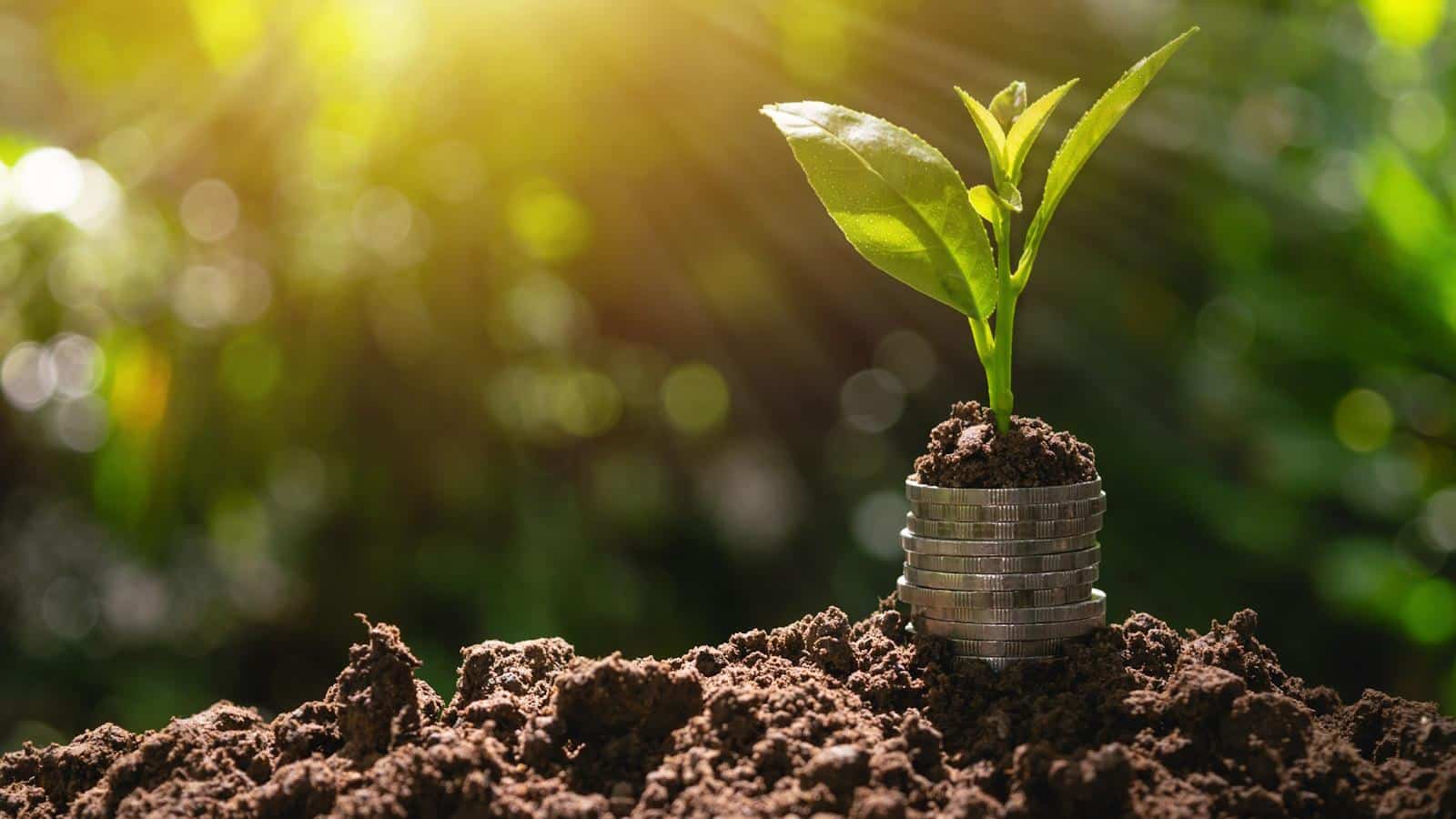
When I first heard about the idea of putting pennies in soil, I have to admit, I was intrigued by the simplicity and affordability of the method. After all, who doesn’t have a spare penny or two lying around? But as with any gardening hack, it’s crucial to separate fact from fiction.
According to experts like Autumn Janus from Perfect Plants, “Modern pennies are made of copper-plated zinc, and the copper content in a single penny is fairly small.” In other words, the amount of copper released from a penny into the soil is negligible, and it would take an incredibly long time for those small amounts to make any significant difference.
Julie Bawden-Davis, an indoor plant expert at Healthy Houseplants, echoes this sentiment, stating, “You would have to leave pennies in soil probably indefinitely, since there is such little copper in them.”
A Sluggish Solution?
While the penny trend may not be a miracle cure for copper deficiency in soil, it does have one potential application: slug control. As Autumn Janus explains, “Copper serves as an effective deterrent for slugs, they feel a small shock when their skin contacts copper.”
If you’re dealing with a slug infestation in your garden, partially burying older pennies (which have a higher copper content) around the edges of your garden can create a barrier to deter these pesky critters. However, it’s important not to solely rely on this method, as planting slug-repellent plants is generally more effective.
Alternative Solutions for Copper-Rich Soil
If you’re looking to boost the copper levels in your soil, there are more reliable and efficient methods to consider. One option is to incorporate organic matter that is naturally rich in copper, such as compost or well-rotted manure. Additionally, copper-based fertilizers can be a targeted solution to address copper deficiencies.
Of course, before making any drastic changes to your soil, it’s always a good idea to conduct a soil test. This will give you a clearer picture of the nutrient levels in your soil and help you make informed decisions about the best course of action.
Embracing Sustainable Gardening
As gardeners, we have a responsibility to cultivate a deep understanding and respect for the intricate ecosystems that support plant life. While trends like putting pennies in soil may seem like a clever hack, it’s important to approach them with a critical eye and a commitment to sustainable practices.
Instead of chasing quick fixes, I encourage my fellow gardeners to focus on building a strong foundation of healthy, nutrient-rich soil. This can be achieved through practices like composting, crop rotation, and the judicious use of organic amendments.
The Importance of Soil Testing
One crucial step in achieving a thriving garden is to conduct regular soil tests. These tests provide valuable insights into the specific nutrient levels in your soil, allowing you to make informed decisions about amendments and fertilizers.
By understanding the unique needs of your soil, you can tailor your gardening practices to create an optimal environment for plant growth. And who knows? You might discover that your soil is already rich in copper, negating the need for any penny-based interventions.
Embracing Nature’s Wisdom
As we navigate the ever-evolving landscape of gardening trends and hacks, it’s essential to remember that nature has its own wisdom. By observing and learning from the intricate cycles and processes that govern plant life, we can develop a deeper appreciation for the interconnectedness of all things.
Instead of relying on quick fixes or shortcuts, let’s embrace a holistic approach to gardening – one that celebrates the beauty and complexity of the natural world while promoting sustainable practices that nurture and protect it.
A Penny for Your Thoughts
While the trend of putting pennies in soil may not live up to its promise of copper-rich soil and flourishing plants, it has sparked an important conversation about the role of micronutrients in plant growth. And who knows? Perhaps this seemingly simple hack will inspire further research and innovation in sustainable gardening practices.
As for me, I’ll continue to embrace a holistic approach, nurturing my garden with a deep respect for the natural world and a commitment to sustainable practices. And if I find a penny on the ground? Well, I might just toss it into a wishing well and make a wish for a bountiful harvest.
Conclusion
In the world of gardening, trends come and go, but the fundamental principles of nurturing healthy soil and cultivating a thriving ecosystem remain constant. While the idea of putting pennies in soil may seem intriguing, the reality is that it’s unlikely to have a significant impact on plant growth.
However, this exploration has reinforced the importance of understanding the role of micronutrients like copper and taking a holistic approach to soil health. By embracing sustainable practices, conducting regular soil tests, and incorporating organic matter and targeted fertilizers, we can create an environment that allows our plants to thrive.
So, let’s bid farewell to the penny trend and instead focus our efforts on cultivating a deeper appreciation for the wisdom of nature. By working in harmony with the intricate ecosystems that support plant life, we can create gardens that are not only beautiful but also contribute to a healthier, more sustainable future.