


In today’s urban jungles, where concrete dominates, embracing the art of landscaping goes beyond aesthetics—it’s about creating a sanctuary for nature and enhancing our living spaces. Whether you’re a seasoned gardener or just dipping your toes in, understanding the fundamentals of landscaping can transform your home into a peaceful oasis.
Key Takeaways
- Understanding Landscaping: Landscaping is more than planting flowers; it encompasses the organization of outdoor spaces to enhance beauty and functionality.
- Social and Ecological Functions: Landscaping plays a significant role in community well-being and balancing ecosystems, providing both aesthetic pleasure and environmental benefits.
- Essential Factors in Landscaping: Climate, soil type, and local flora are crucial considerations when designing landscapes to ensure the plants thrive.
- Nature’s Role: A well-thought-out landscape bridges the gap between human habitation and the natural world, encouraging biodiversity and restoring ecological balance.
- Tools and Resources: Various resources, including expert guidelines and educational materials, can aid in better understanding landscaping techniques.
What is Landscaping?
First off, let’s break down what we mean by landscaping. It’s the blend of artistry and science dedicated to transforming outdoor spaces. Think of it as fashion for your garden—just as you’d carefully choose an outfit that suits you, landscaping allows you to curate a space that reflects your style. Whether you envision a tranquil retreat or a lively outdoor entertainment area, every choice shapes your landscape’s identity.
Why is Landscaping Important?
Landscaping serves many purposes. For starters, it’s about improving quality of life. In a bustling city, overrun with towering buildings, a green space can be a breath of fresh air. It can bring communities together, fostering connections through shared gardens or parks. Moreover, it contributes to the aesthetic harmony of our surroundings, providing a visual feast that uplifts our spirits.
Now let’s not forget the ecological angle. Did you know that well-planned landscaping can improve air quality and promote biodiversity? Native plants, when used effectively, can create habitats for local wildlife, making your landscape a little haven for critters. It’s like inviting nature over for tea and crumpets!
Key Functions of Landscaping
Social Function
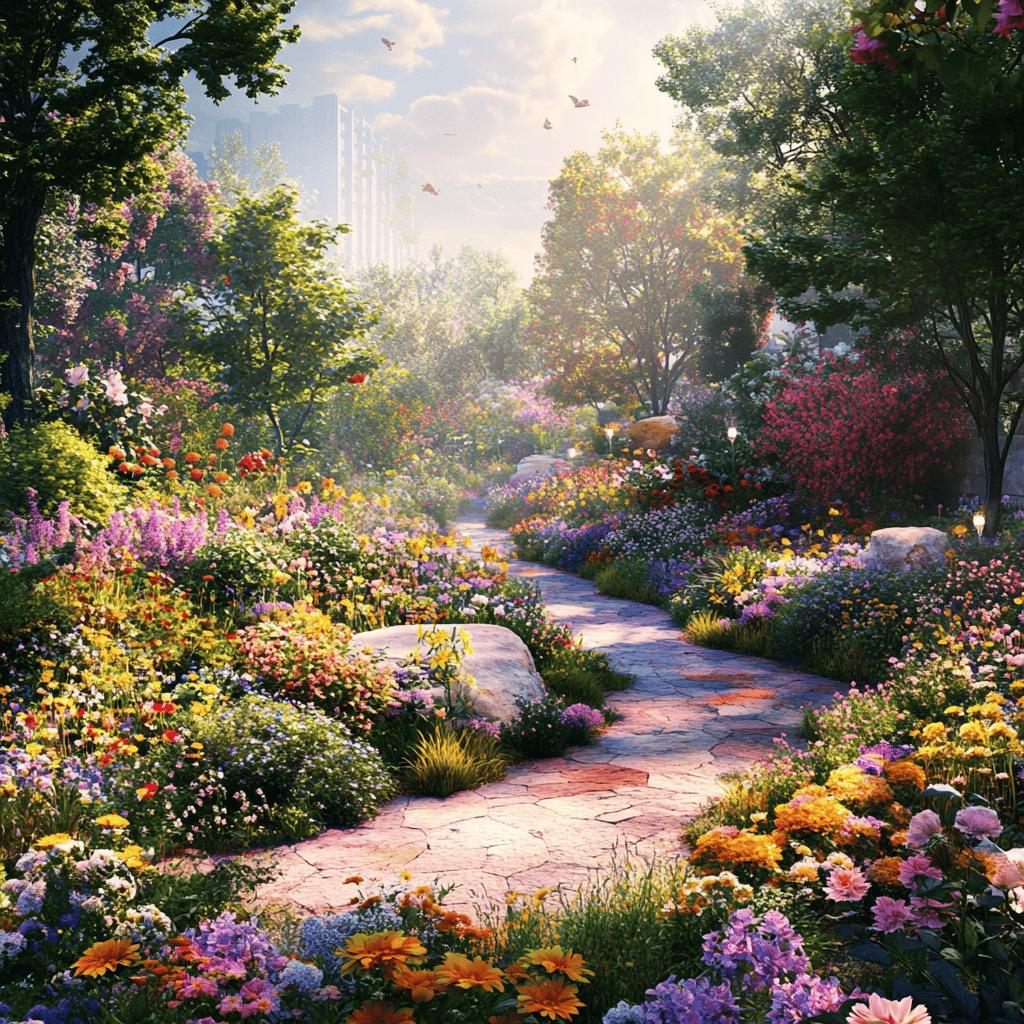
Landscaping fosters community interaction. Gardens and parks are social hubs where laughter echoes and memories are made. They serve as venues for events, celebrations, or simply a quiet spot to unwind with a good book. I can’t tell you how many lively barbecues I’ve attended just because a backyard was transformed into an inviting space!
Ecological Function
When landscaping is planned wisely, it can significantly enhance the environment. Trees and plants filter pollutants, while green spaces help reduce urban heat. You see, every shrub and flower has a role to play in maintaining the delicate balance of our ecosystem. It’s like assembling a puzzle; each piece contributes to a stunning overall picture.
Factors to Consider in Landscaping
Climate

First things first, you need to consider your local climate. Different plants thrive in different environments, and it’s essential to choose flora that can handle the temperature and precipitation of your region. After all, you wouldn’t plant cacti in a rainforest, would you?
Soil Type
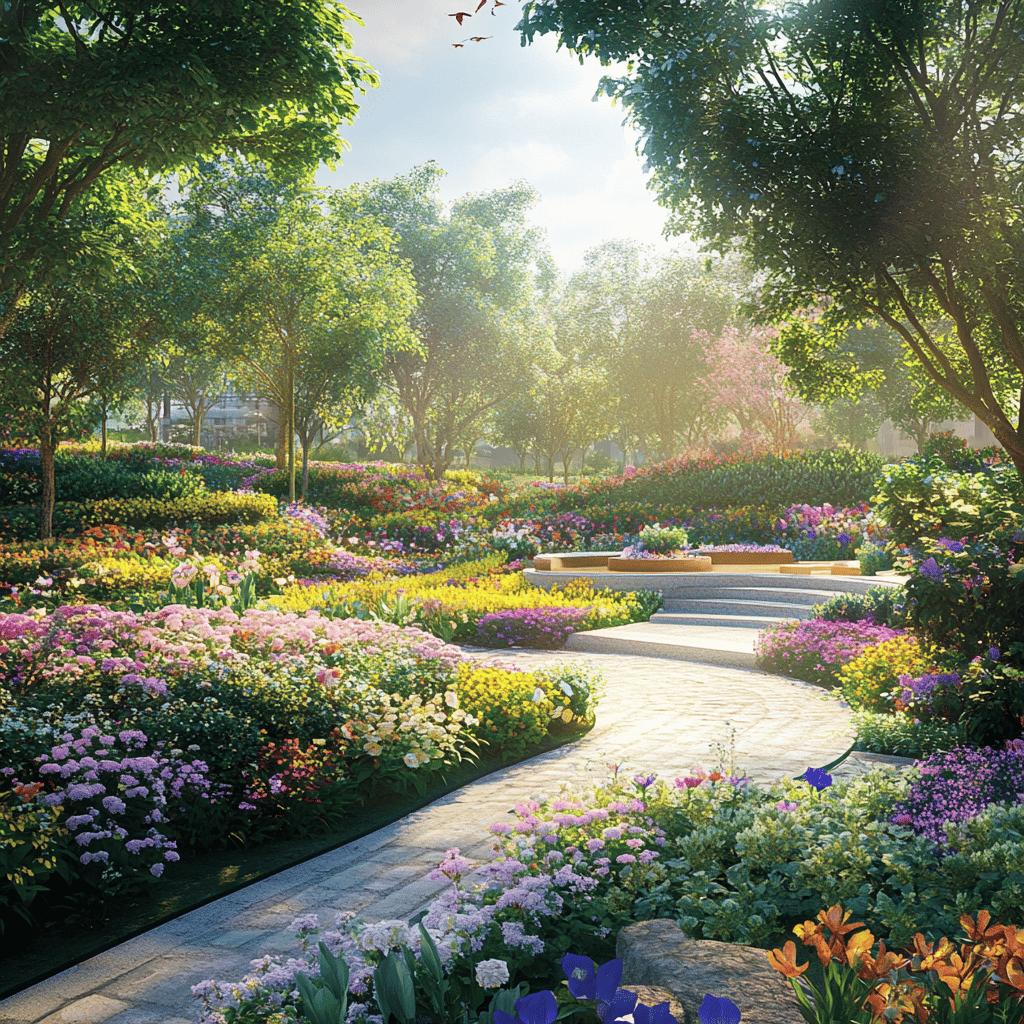
Let’s talk about the ground beneath our feet. The type of soil you have can greatly influence your landscaping outcomes. Inspecting the soil’s structure and fertility will guide you in selecting the best plants and amendments needed for a thriving garden. Rich, loamy soil is a dream, while sandy or clay-heavy soils may require a bit more work.
Vegetation & Native Flora

Familiarizing yourself with local flora is crucial. Native plants not only look spectacular but are also hardier in your environment. They’re adapted to thrive in local conditions, making them easier to care for. Plus, they support local wildlife and pollinators, enhancing biodiversity in your garden.
Microclimates
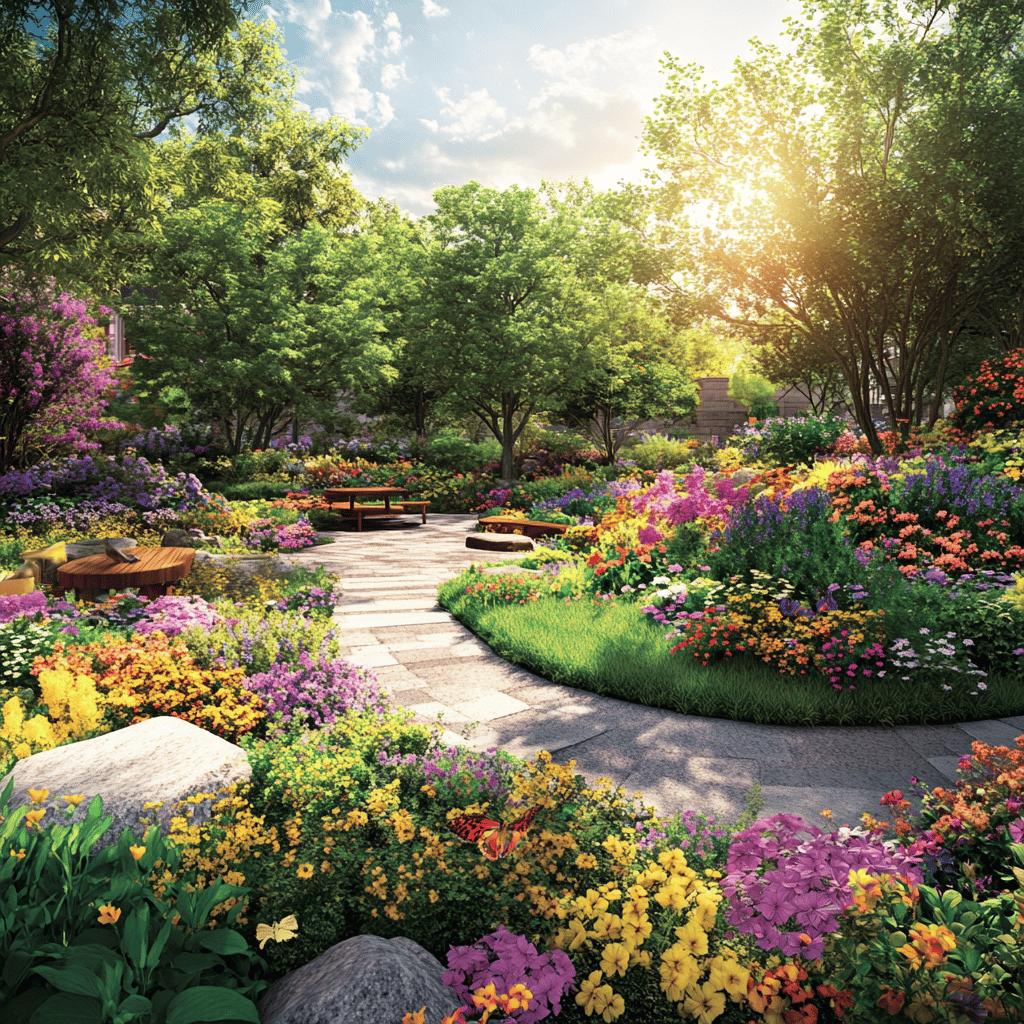
Every garden has its quirks. Understanding your land’s microclimates—areas that may vary in temperature, moisture, and sunlight—can help you place plants where they’ll thrive. It’s like knowing where the sun hits best to lay down for a sunbath—the right spot can make all the difference!
Landscaping Tools and Techniques
Basic Gardening Tools

To get started, you’ll need some basic tools. A good spade, trowel, pruning shears, and a watering can are essential. Trust me, you don’t want to dig in with your hands alone—it’s messy and, well, let’s say not the most graceful approach!
Education and Resources
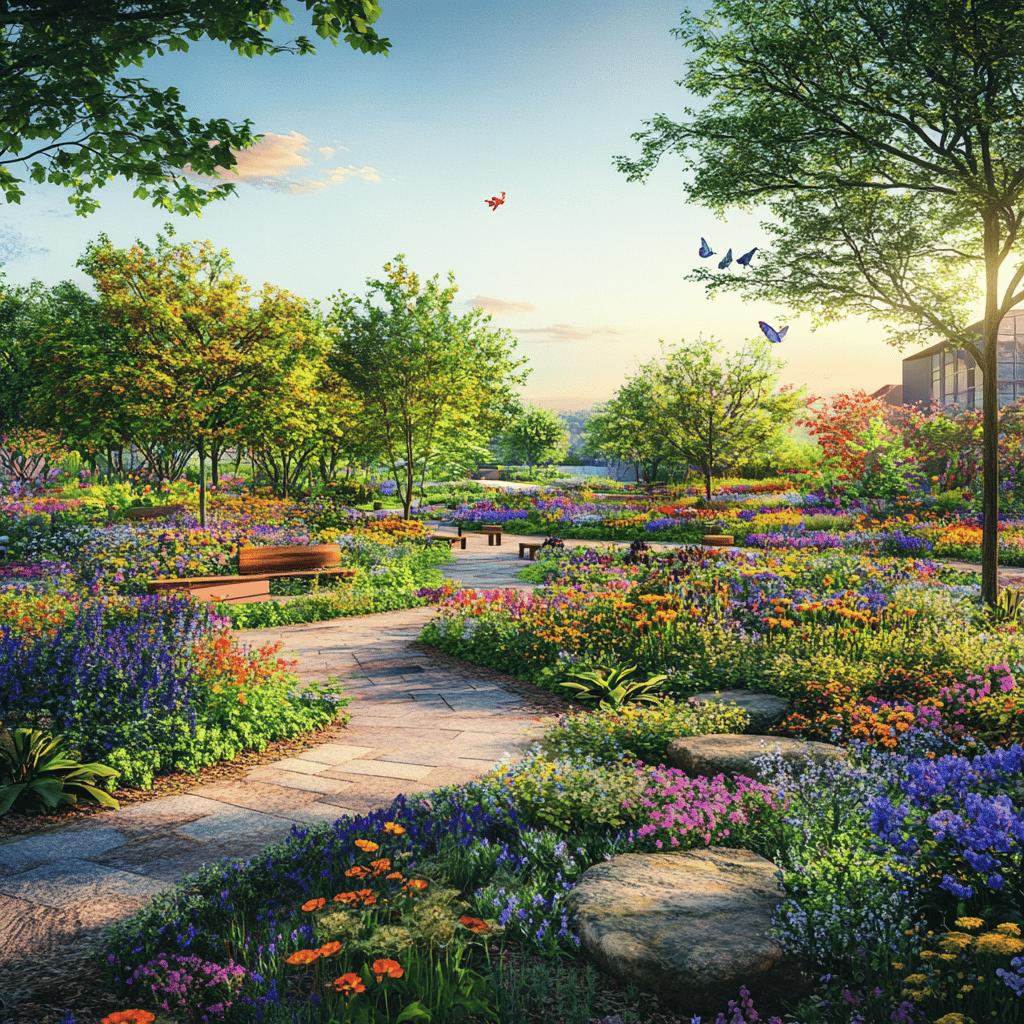
There’s a wealth of resources available for budding landscapers. Books, eBooks, and online communities are brimming with information and inspiration. I find that diving into these resources not only fuels my passion but also boosts my confidence. Know where to look, and you’ll never be at a loss!
Conclusion
Ultimately, landscaping is about crafting a space that brings joy and serenity to your life. It’s a labor of love where you can let your creativity run wild while helping to preserve and uplift nature. Embrace the challenge, enjoy the process, and soon you’ll have a personal haven that’s the envy of your neighbors. Now, who’s ready to pick up a shovel and get their hands dirty? Let’s grow together!