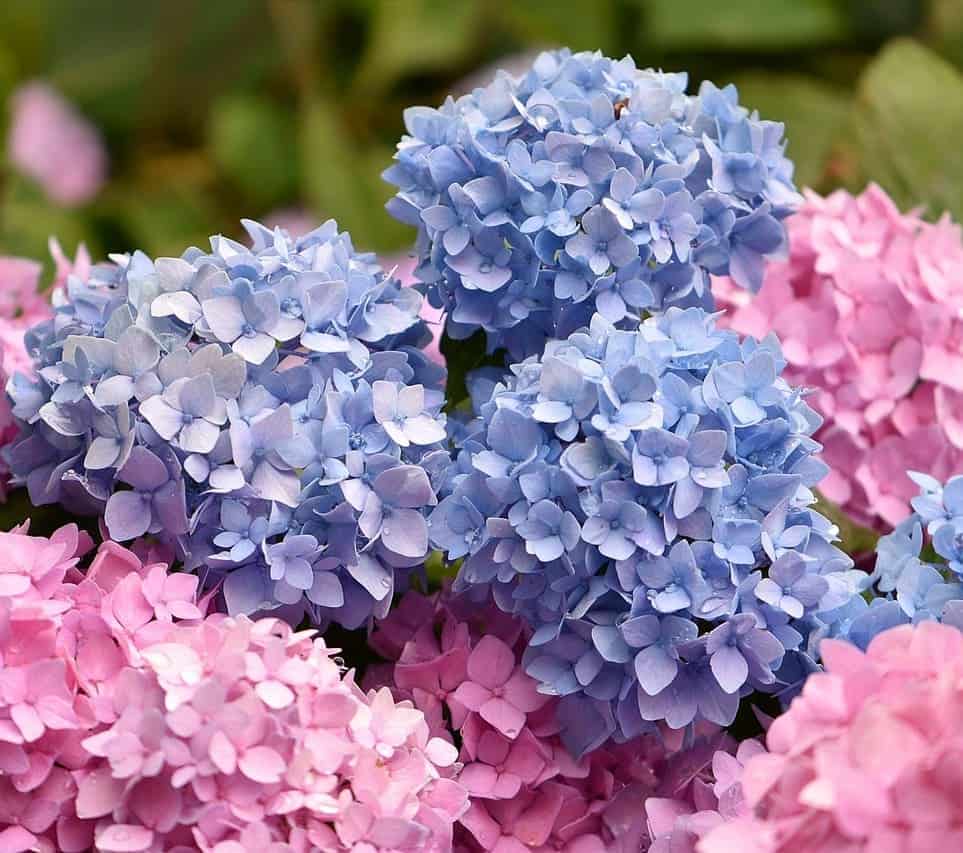


If you’re curious about cultivating the enchanting Hydrangea macrophylla, also known as the hydrangea, you’re in the right place! This article will provide you with the essential tips and insights needed to grow this exquisite plant that can transform your garden into a colorful paradise.
Key Takeaways
- History and Origin: Learn how this stunning flower was discovered in the 18th century and the influence of soil pH on its color.
- Characteristics: Discover the physical features of the hydrangea, including its size, leaf shape, and blooming patterns.
- Flowering Season: Understand when to expect blooms and how to care for them during various seasons.
- Cultivation Tips: Dive into practical advice on soil, watering, and pruning to achieve a thriving hydrangea.
- Color Manipulation: Explore methods to influence flower color using soil pH adjustments.
- Fun Facts: Uncover intriguing trivia about hydrangeas that will impress your friends and beautify your garden.
History and Origin of Hydrangeas
Ah, the hydrangea! These lovely flowers have a backstory that’s as captivating as their blooms. You know, they hail from Japan and China and have more than a hundred species! Back in the 18th century, a botanist named Philibert Commerson stumbled upon Hydrangea macrophylla in the wilds of China—talk about a floral discovery! It’s like finding a hidden treasure in your backyard, isn’t it?
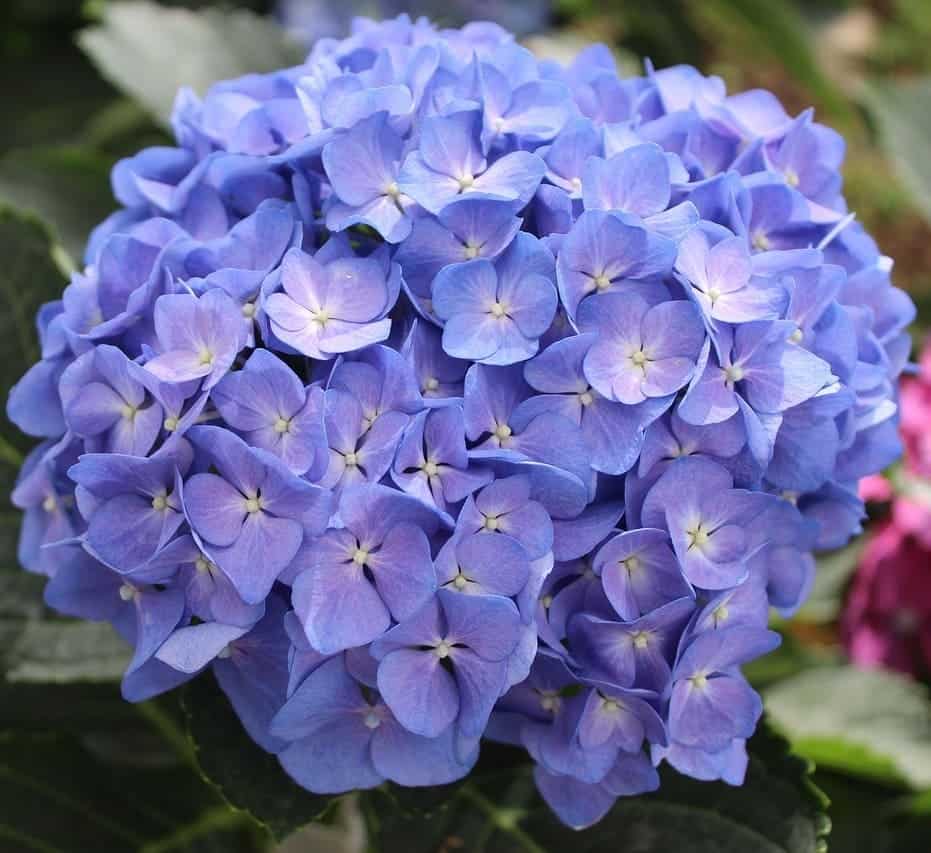
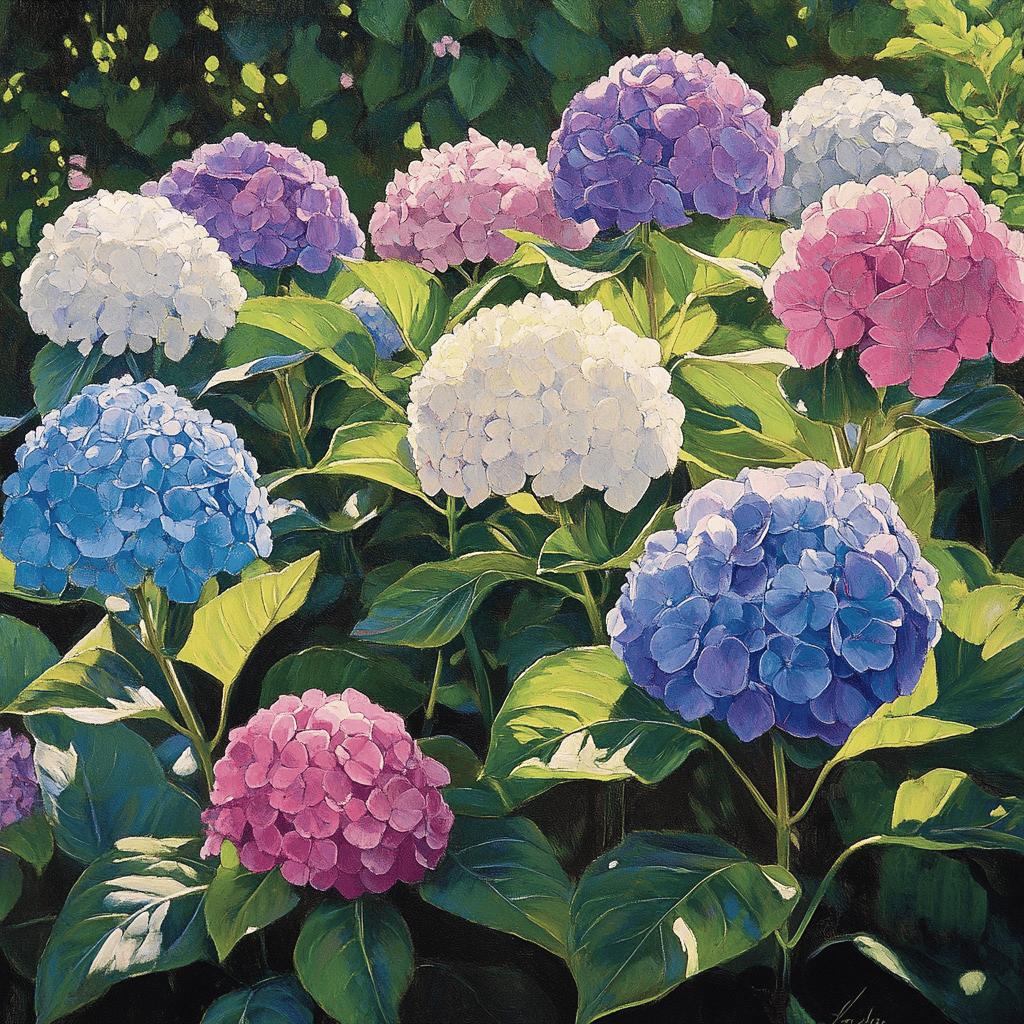
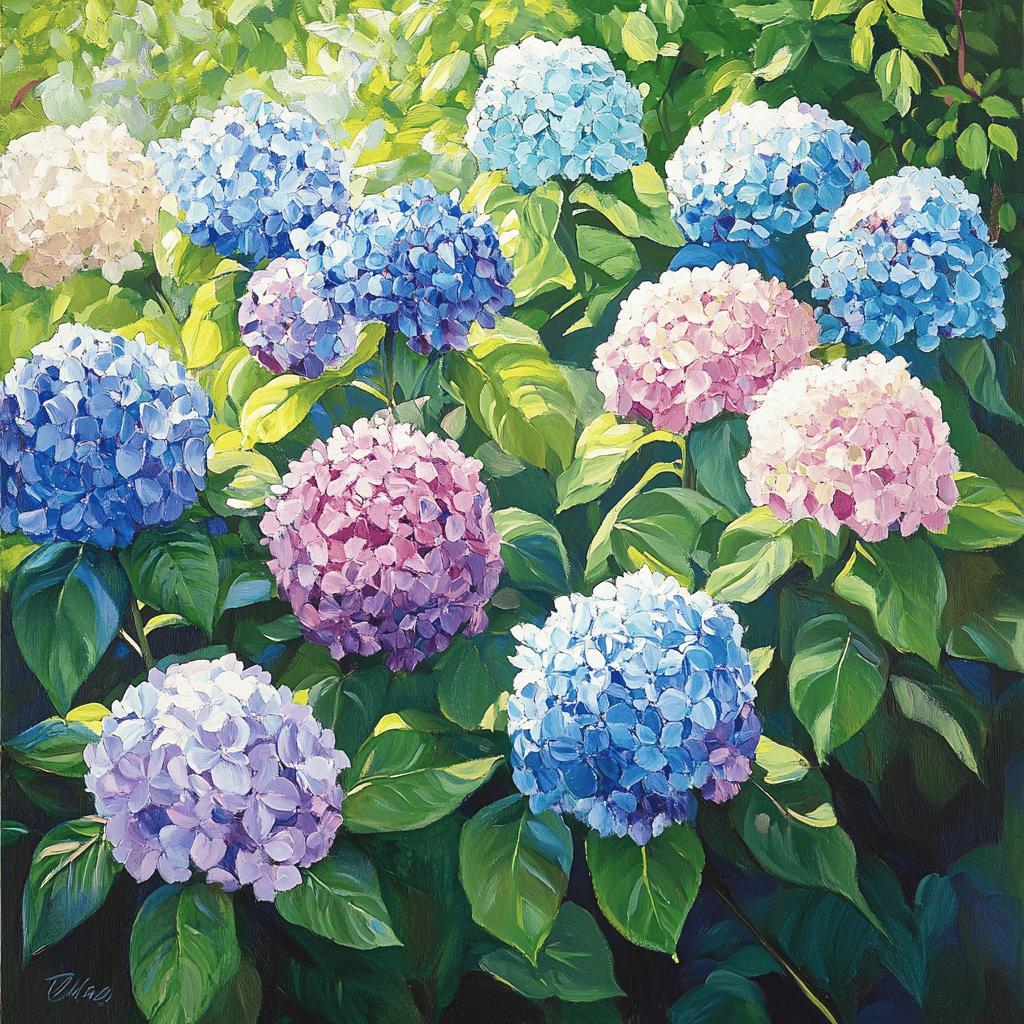
This marvel gets its name from the Greek word that means “vessel of water” due to its round clusters of flowers, which resemble a bowl brimming with blossoms. And did you know the color of these flowers can shift dramatically based on soil acidity? Pink or blue? You’ve got the power to decide!
Unique Characteristics
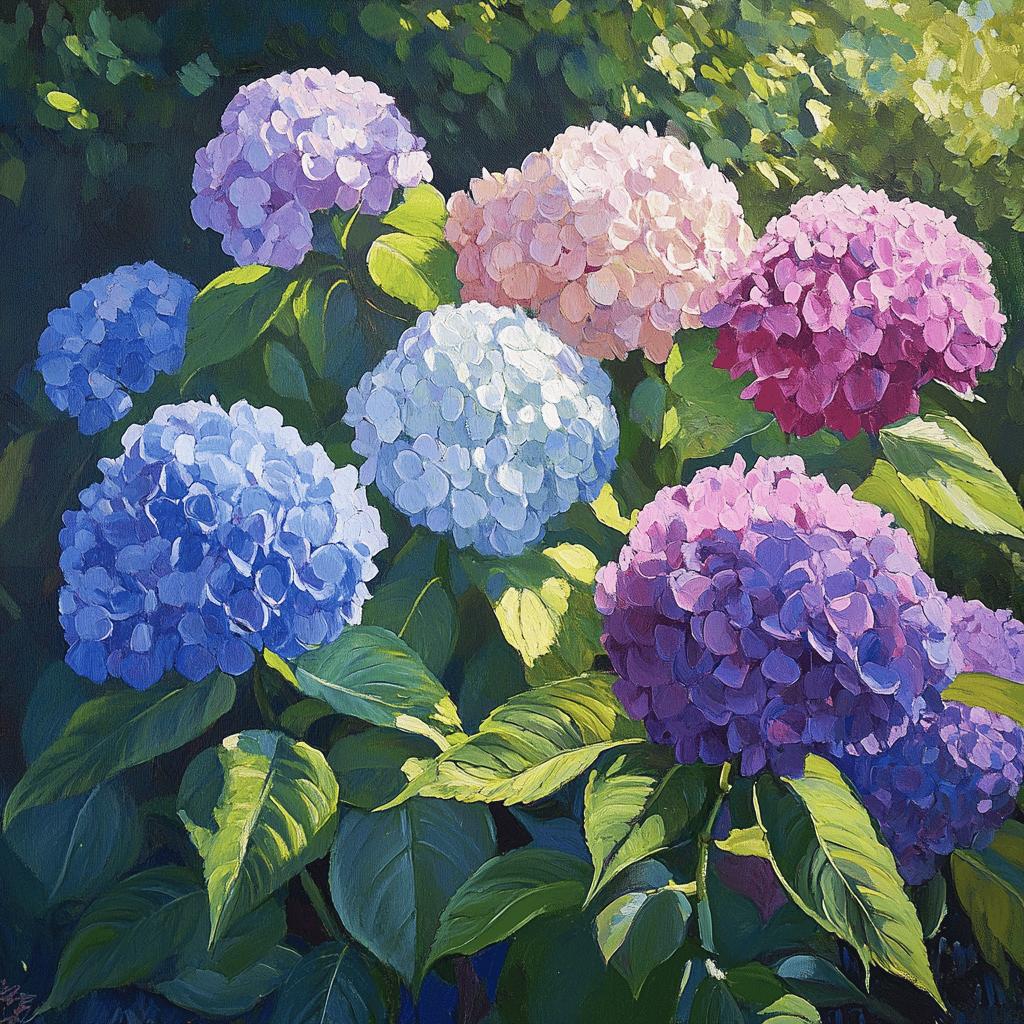
Now, let’s get down to the nitty-gritty of what makes hydrangeas stand out. They are shrub-like plants with a potential height of about 1 to 3 meters. Imagine a glorious bush adorned with vibrant blooms decorating your garden! One glance at their lush green, serrated leaves, and you’ll be smitten.
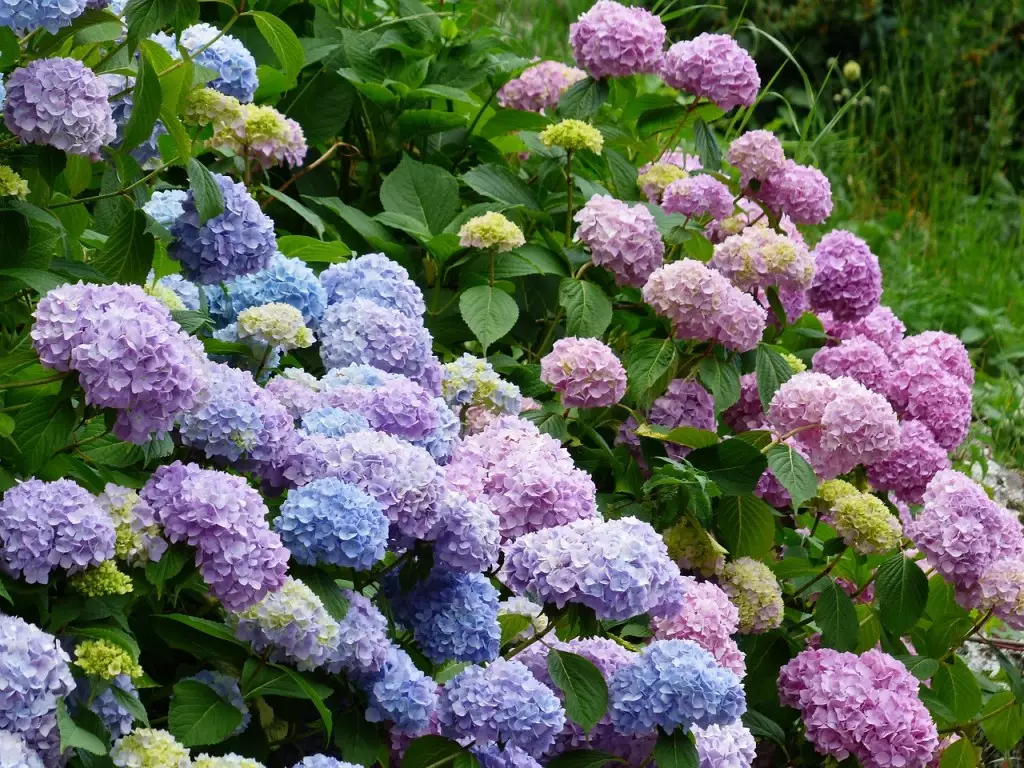
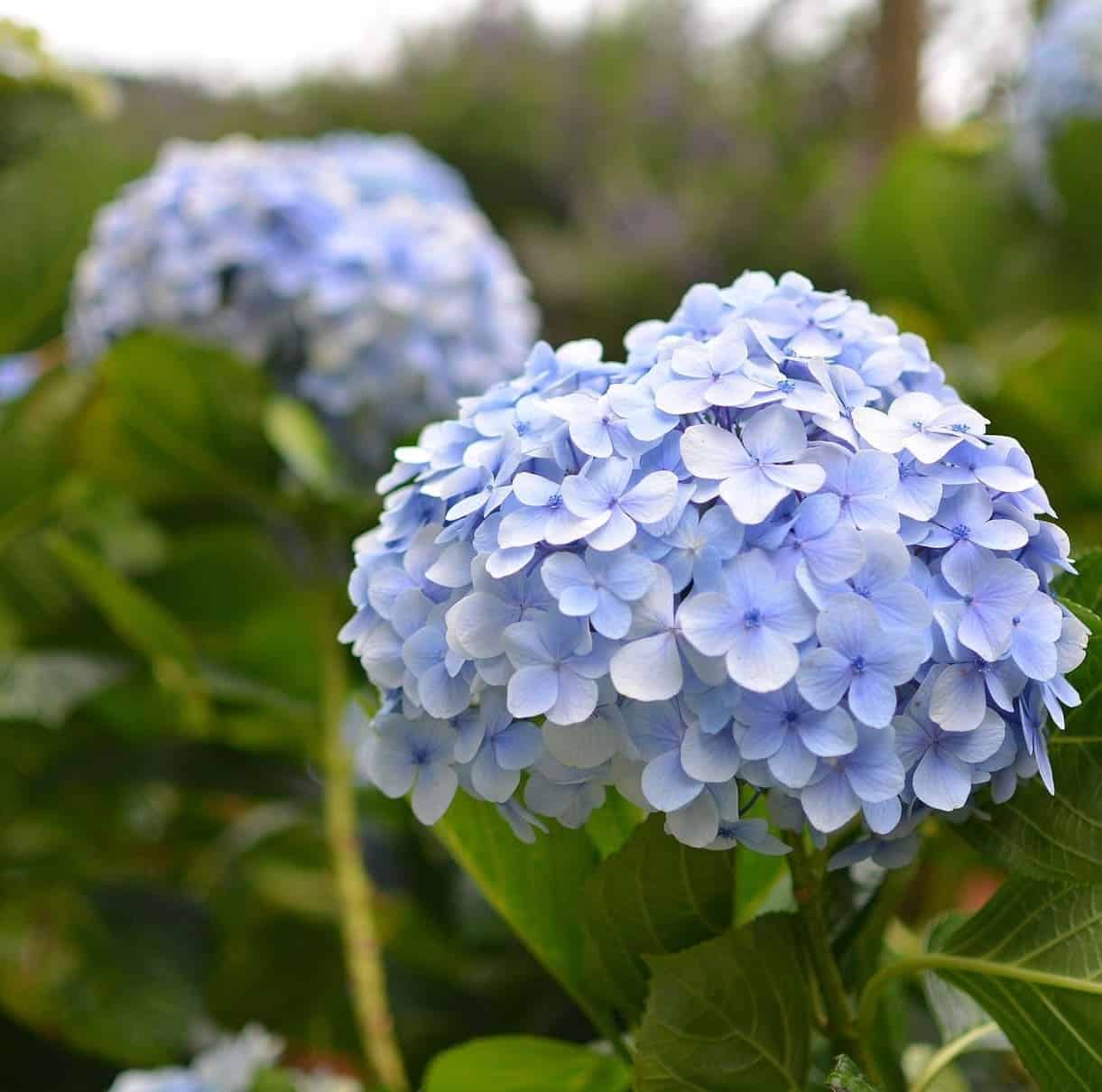
What’s truly fascinating is the flower structure. Each bloom consists of tiny, sterile flowers surrounding a cluster of fertile ones at the center. It’s like a big family reunion—everyone has a role to play! Depending on the soil conditions, these flowers can burst forth in pink, blue, or purple hues, making them a true chameleon in the garden.
Understanding Flowering Season
If you’re itching to see those spectacular blossoms, mark your calendar! Hydrangeas typically bloom in the hi-there summer, from December to March in the Southern Hemisphere and June to September in the Northern Hemisphere. The blooms are like a summer party for about two months, perfect for enhancing your indoor and outdoor décor!
However, don’t let the heat get the best of them. Hydrangeas like to bask in full sun or partial shade but can get cranky in extreme temperatures. They thrive in rich, well-drained, and slightly moist soils—think of a cozy blanket for those roots! If you can strike the right balance, you’ll be rewarded with a burst of color.
Soil and Watering Requirements
Let’s chat about what keeps these beauties happy! Hydrangeas are picky eaters, preferring rich, organic matter in their soil. Add in some mulch, and you’re on your way to creating a hydrangea haven. But let’s not drown them; the soil should be well-draining because soggy roots spell disaster! You wouldn’t want to swim in mud either, would you?
Watering is key! These plants require consistent moisture, but not excessive dampness. Think of them as the Goldilocks of plants—they want it just right! Regular checks will ensure they don’t wilt like forgotten leftovers on a hot day. Keep the watering can nearby, and you’ll be one step closer to hydrangea success!
Color Manipulation: Fun with pH
If you want to play artist with your hydrangeas, you can change their color by adjusting the pH of the soil! It’s like magic! Adding aluminum sulfate to acidic soil can bring out a vibrant blue, while lime in alkaline soil will serve up gorgeous pink. Just remember, moderation is key—overdoing it can turn your colorful garden into a sad story!
I enthusiastically suggest using a soil testing kit to gauge your pH levels. It’s a fun experiment that grants you control of your hydrangeas’ hues—almost like they have a mood ring! This interactive gardening adventure makes the experience even more exciting, don’t you think?
Disease and Pest Management
Don’t let pesky insects ruin your hydrangea dream! Like any good knight, you must come to the rescue. Pay attention to aphids, spider mites, and whiteflies, which can wreak havoc on your beloved blooms. Keep an eye out for signs of distress—yellowing leaves or wilting flowers may signal trouble.
Should you encounter these intruders, don’t fret! Simple remedies like soapy water or neem oil can work wonders. It’s like superhero stuff for your plants! A little vigilance and a few preventative measures will keep your hydrangeas strong and thriving.
Pruning Techniques for Optimal Growth
If you want your hydrangeas to flourish, careful pruning is essential. Think of it like giving your plant a stylish haircut! After the blooming season, I find it helpful to remove spent flowers and any deadwood. This keeps everything tidy and sassy for the next growing season!
The method of pruning also varies depending on the specific type of hydrangea you’re nurturing, but generally, it’s best to do so in late winter or early spring. Snip away the old blooms and encourage new growth—it’s like prepping for a grand party. Always a lovely idea!
Conclusion: A Blooming Symphony
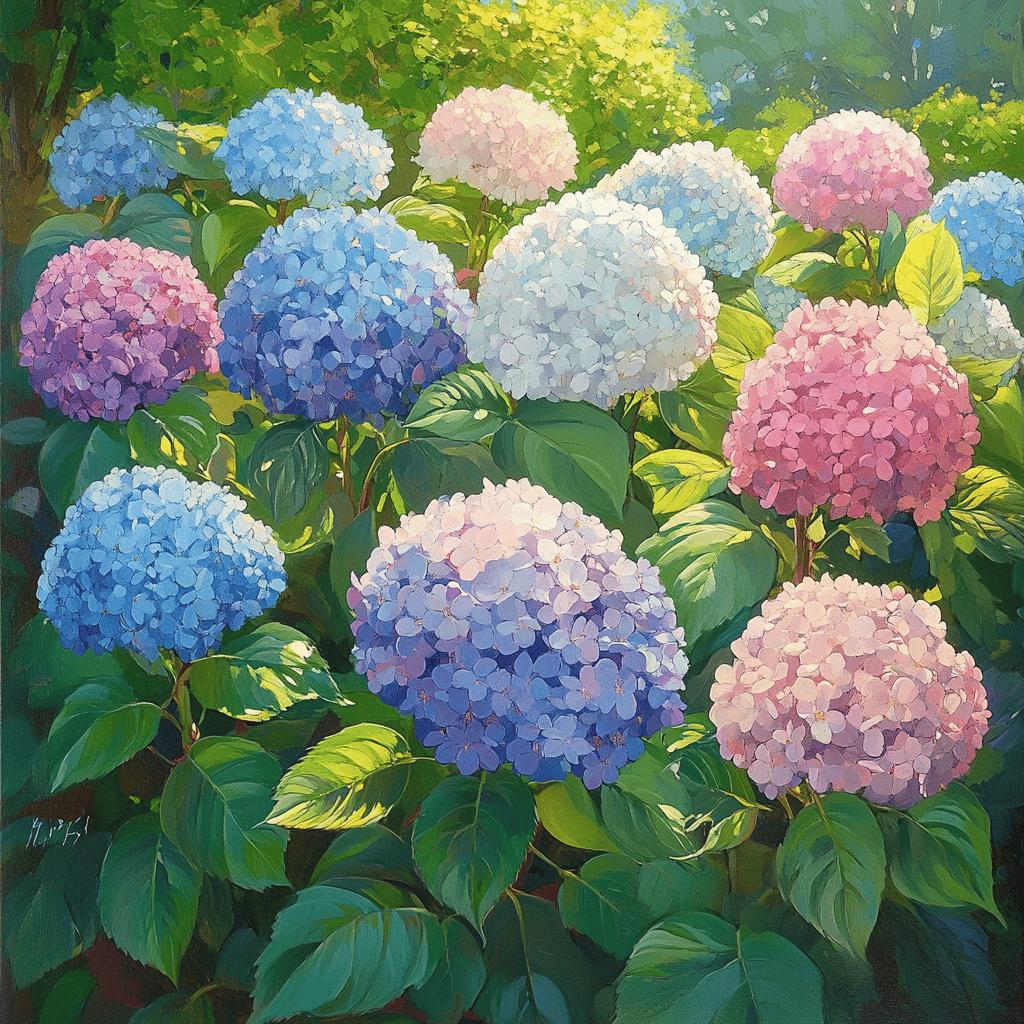
In the grand scheme of gardening, Hydrangea macrophylla is more than just a plant; it’s a vibrant character in the story of nature. It offers an array of colors, stunning transitions from season to season, and an element of surprise as you experiment with growing techniques. Engaging with these beauties allows you to create a mesmerizing garden tapestry.
So gear up for the adventure, armed with knowledge and excitement! Hydrangeas are waiting to transform your world with color and charm—happy gardening!