

“`html
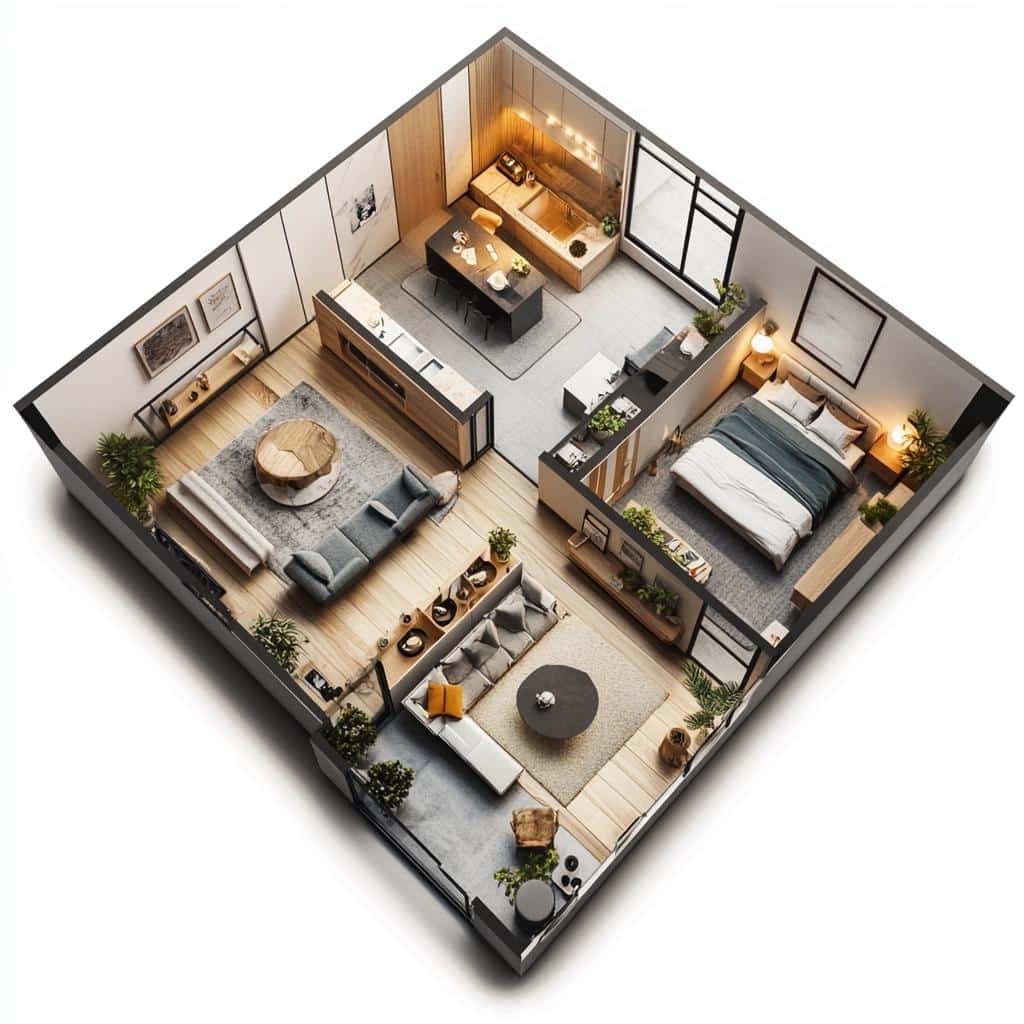
Creating functional floor plans is a key ingredient in architecture that can transform any space into a masterpiece by maximizing usability and comfort.
Key Takeaways
- Understanding Functional Floor Plans: I’ll dive into what makes a floor plan functional as opposed to just a basic layout.
- Essential Elements: I’ll cover important aspects like circulation, functional zones, and minimum dimensions that truly optimize a space.
- Tools to Get Started: Discover an array of software options ranging from free tools to industry standards for crafting your layouts.
- Step-by-Step Process: Learn a systematic approach to developing your functional floor plans with ease.
- Importance of Planning: Find out why careful planning can save you from costly mistakes down the road.
- Conclusion: Wrap up with how functional floor plans impact our everyday lives positively.
Understanding Functional Floor Plans
When I first stepped into the world of architecture, I realized that not all floor plans are created equal. A functional floor plan is more than just lines on paper; it’s about creating a living space that feels alive. It’s where efficiency meets creativity, ensuring that every inch serves a purpose.
What’s the secret sauce? Well, it lies in understanding how people use spaces. Unlike traditional layouts which might simply sketch in rooms, functional plans focus on flow and interaction. Think of it as crafting a dance—each space has its partner and everyone knows their move!
In this section, I’ll take you through the key ingredients that contribute to a truly functional floor plan, ensuring that your designs are tailored to fit the lives of future occupants.
Essential Elements of a Functional Floor Plan
1. Circulation
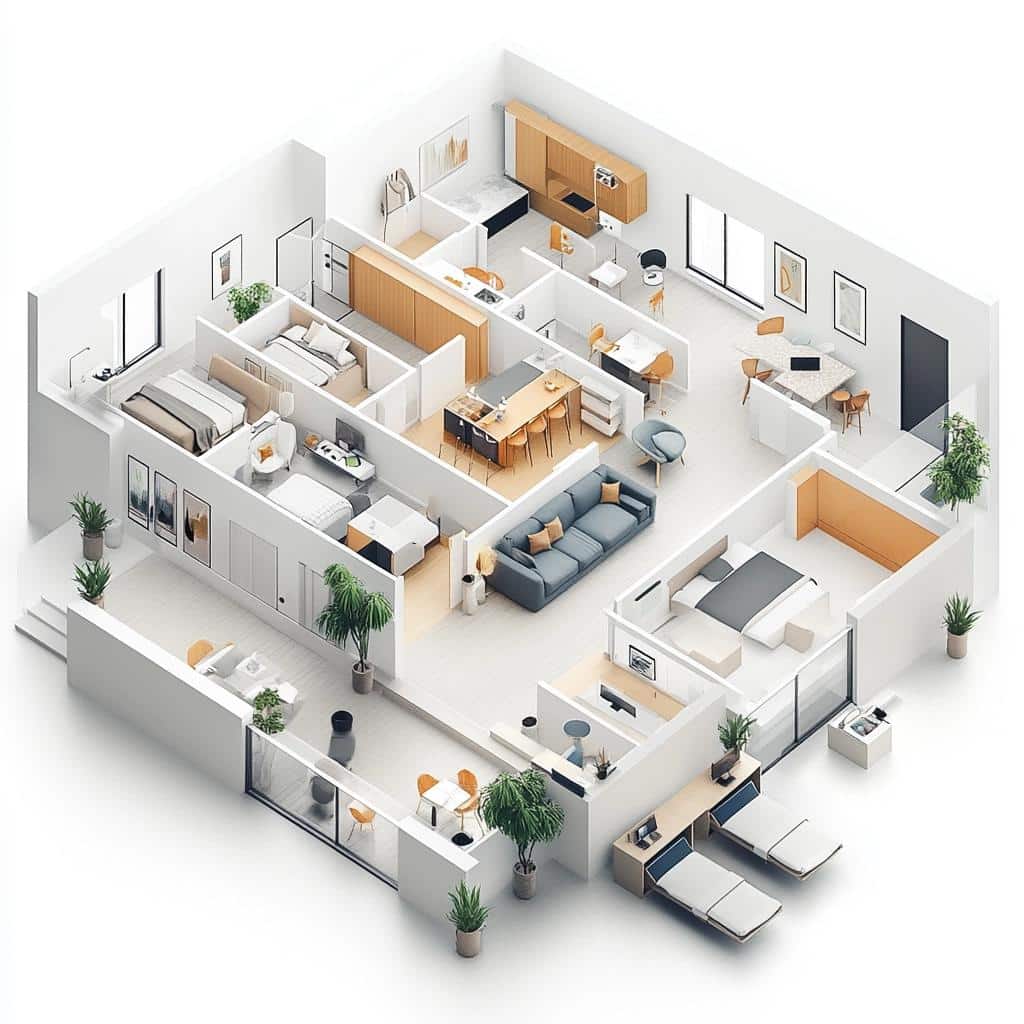
Ah, circulation—the lifeblood of any good floor plan! Imagine walking through a home and feeling like you’re stuck in a maze. Not great, right? The goal here is to design pathways that feel natural and intuitive. You want to create a space where people can move freely without bumping into walls—or each other.
A properly mapped-out circulation often includes strategically placed entry points. For instance, the kitchen should be accessible yet separated from the living room. It’s like a thrilling roller coaster ride; you want ups and downs, but with clear direction about where you’re headed!
2. Zoning

Now let’s talk zones—think of them as the tenants of your design. They each have their unique role to play in your masterpiece. I usually categorize spaces into three major zones: public, private, and service zones. These zones need to flow together like a well-rehearsed orchestra.
The social area, where families gather, should connect seamlessly to the kitchen but provide a cozy ambiance for conversations. Meanwhile, the intimate zone—like bedrooms—should offer privacy, perhaps tucked away from the bustling activity of the world outside such as restos and lounges!
3. Minimum Dimensions

Dimensions matter. A poorly sized room can feel claustrophobic while a well-sized one can promote harmony. For instance, corridors need to be spacious enough for multiple people to pass comfortably. I recommend at least 3 feet wide!
Even your bathroom doesn’t get a free pass! Make sure it’s at least 5 feet wide to allow for privacy and movement. Honestly, who wants to feel like they’re doing contortions just to leave the bathroom?
Tools to Create Functional Floor Plans
Technology can be a lifesaver! I’ve often found myself at a loss when trying to sketch ideas. Thankfully, there are some amazing tools out there that simplify the process. From free applications to high-end software, let’s explore the options.
Popular Software Options

First up is AutoCAD. While it’s a paid software with a learning curve, it’s a classic in the industry for a reason. It allows for detailed, precise layouts and technical drawings.
Then there’s SketchUp. It’s intuitive, and their free version is great for beginners who want to visualize spaces in 3D. This is especially handy when comparing how different elements come together; it’s like tossing a salad until you get the perfect flavor!
Lastly, tools like Floorplanner and Sweet Home 3D allow you to drag-and-drop elements, making the experience immensely easier. They are essentially digital playgrounds where creativity knows no bounds!
How to Create a Functional Floor Plan
Alright, let’s get our hands dirty! Here’s how I typically approach creating a functional floor plan. First off, I identify the **requirements**. Talking to the people who’ll actually use the space is crucial. What do they envision?
I like to sketch a rough draft where I define major zones. Visualizing space can make a big difference; it’s really about putting those abstract ideas into something that feels tangible. It’s exciting, like starting a new adventure!
Refining the Layout

Next up, I look at circulation once more. Imagine walking through your home; does it feel invites? Adjust those pathways as needed. I recommend stepping back to see if things just flow naturally, like water running through a stream.
Ensure Comfort and Usability

Finally, we need to check for comfort. Double-check dimensions, ensuring there’s enough space around furniture. The last thing anyone wants is to feel like they’re sitting in a sardine can at the dinner table!
Conclusion
Functional floor plans are essential in creating comfortable, enjoyable living spaces. By focusing on essentials like circulation, zoning, and proper dimensions, you can easily craft a space that’ll have users singing your praises!
Every design decision impacts how people engage with their environment, so be intentional and attentive to those details. Remember, the most beautiful spaces are often those where function meets form.
“`