


Understanding the relationship between **IQ** and an architect’s skills is key to grasping their success in the field. This article dives into how intelligence, education, and practical skills shape an architect’s career while addressing the influence of personal characteristics and environment.
What is IQ and its Importance for Architects?

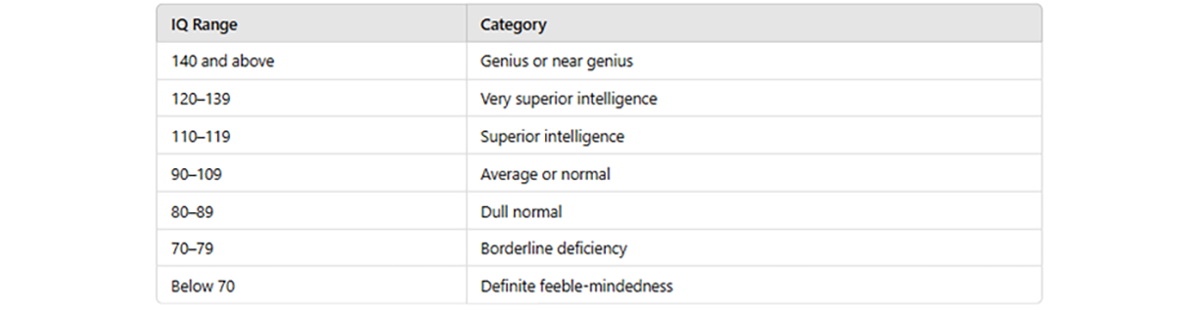
**IQ**, short for Intelligence Quotient, is like the IQ test’s golden ticket that measures how sharp your brain is. For us architects, a higher IQ can hint at a knack for things like problem-solving, critical thinking, and creativity. Picture it as having a treasure map that leads to innovative designs. However, let me tell you, having a high IQ alone doesn’t guarantee success, no siree!
The Academic Journey of an Architect

Ah, the path to becoming an architect! It’s a rollercoaster of knowledge that includes drawing, math, and physics, just to name a few. Imagine cramming all that info while balancing on a seesaw of science and art. This education doesn’t just boost our IQ; it also sharpens the practical skills we urgently need to ace our projects.
Practical Skills versus Theoretical Knowledge
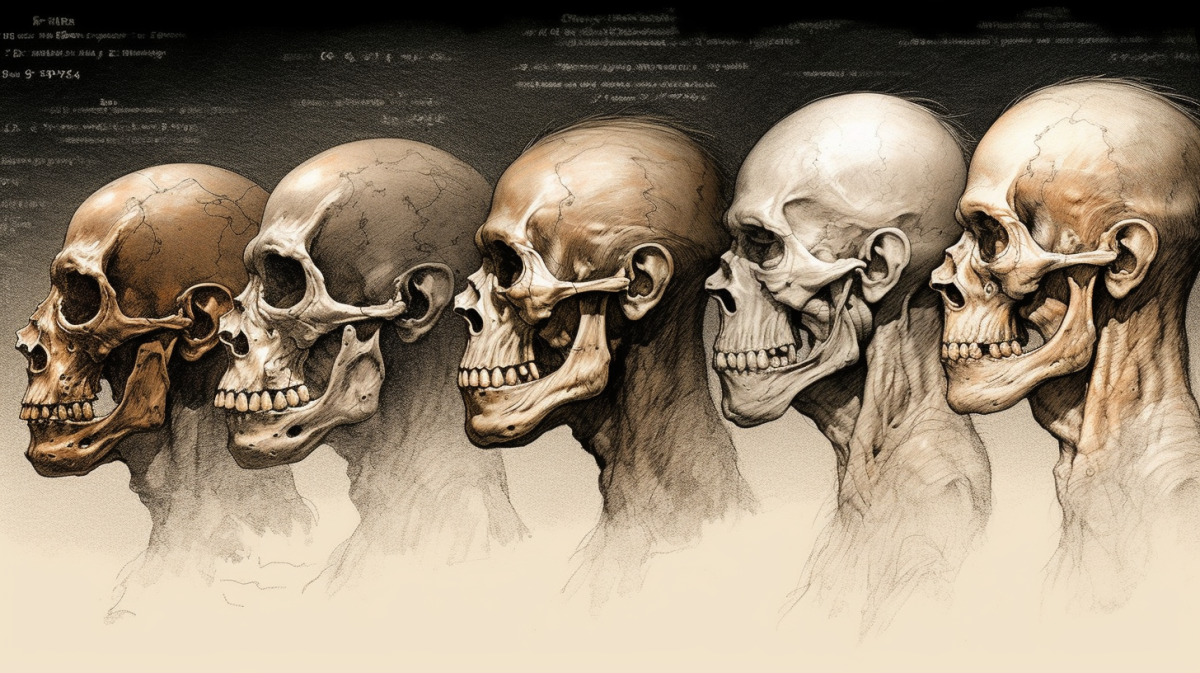
While IQ gives us a broad snapshot of intellectual capacity, let’s not forget about practical skills. They’re like the tools in a toolbox; you need to balance theory with hands-on experience. I mean, what’s the point of knowing all about a hammer if you can’t swing it? An architect’s background in software and building techniques plays a crucial role in turning ideas into reality.
The Impact of Personal Characteristics on Architectural Performance

Now, apart from IQ and education, let’s chat about those oh-so-important personal traits. Traits like persistence, self-discipline, and the ability to work well with others are golden nuggets that can shape your architectural destiny. Architects who can adapt like chameleons in different environments and play nice with others usually find themselves shining in their respective fields.
Essential Competencies of an Architect
- Spatial Vision: The ability to envision projects in 3D, without needing glasses.
- Communication: The art of making complicated ideas sound simple, kind of like explaining rocket science to a five-year-old.
- Problem-Solving: Tackling challenges like a pro and coming up with solutions that would make Einstein proud.
- Teamwork: It’s not a solo mission; teamwork makes the dream work with engineers, designers, and clients.
- Time Management: Juggling deadlines and remembering that Rome wasn’t built in a day…or if it was, someone was definitely working overtime!
Measuring an Architect’s Potential Fairly
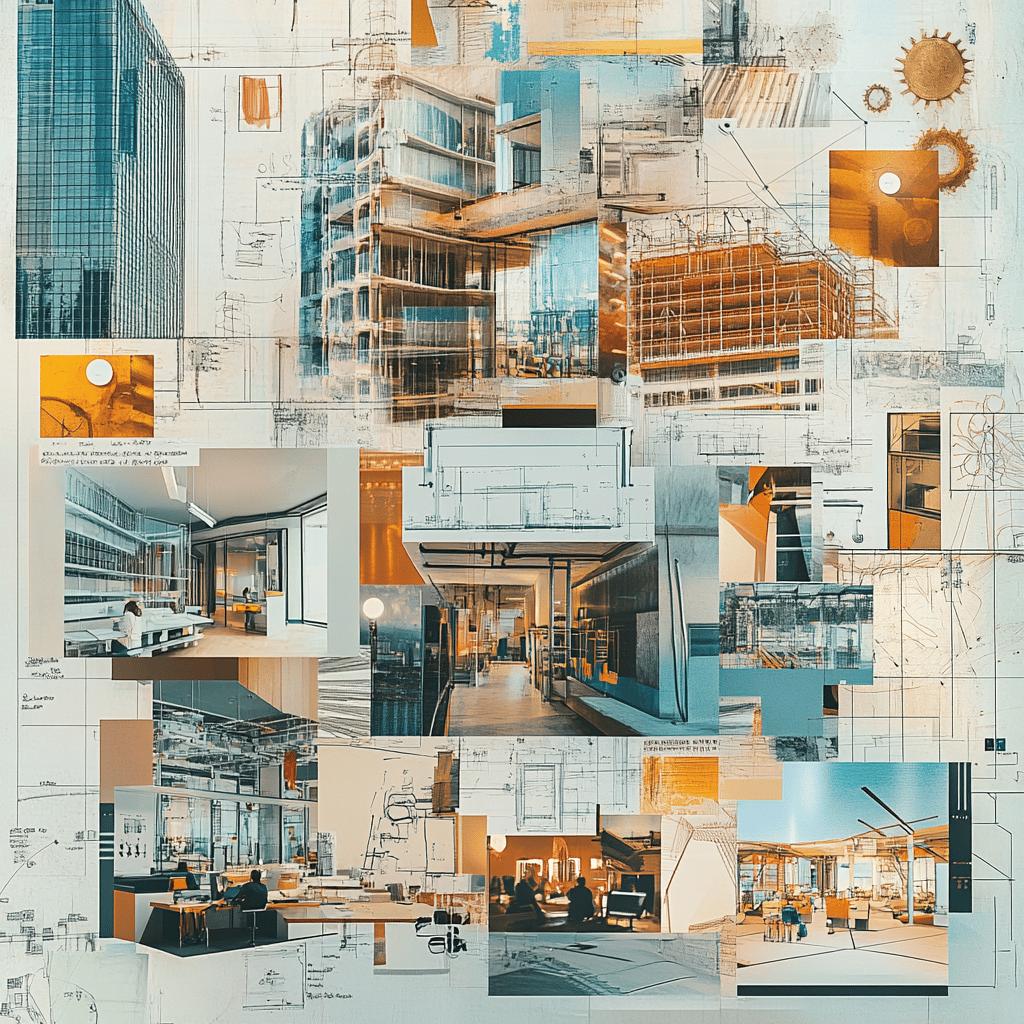
Here’s the bottom line: an architect’s potential isn’t just about the IQ score. We should also consider factors like motivation, opportunity, and social support. Believe it or not, an architect with a lower-than-average IQ can still fly high through sheer determination and dedication to learning things that matter.
Table: Comparing Skills and IQ for Architects
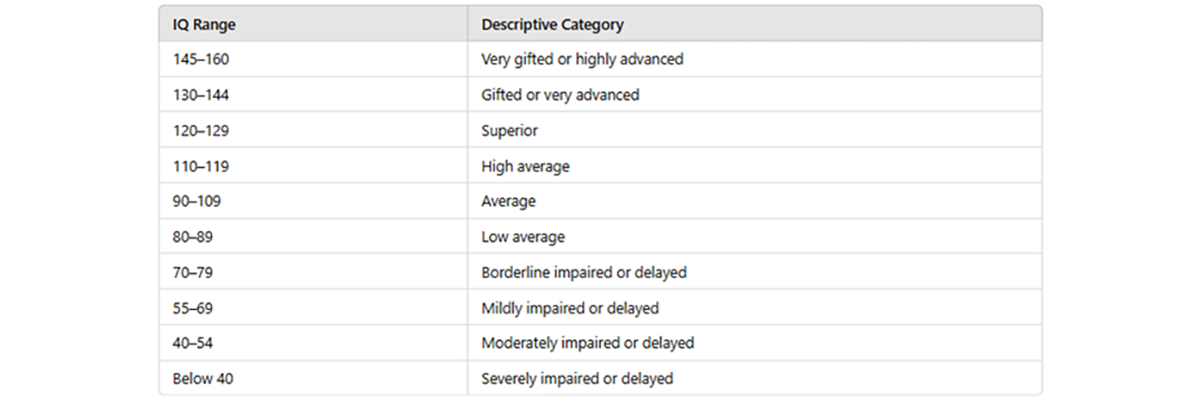
| Category | IQ | Necessary Skills |
|---|---|---|
| Low (70-89) | Unlimited | Practical task performance |
| Average (90-109) | 100 | Design and management capabilities |
| High (110-129) | Superior | Excellence in communication and problem-solving |
| Superior (130+) | Advanced | Exceptional innovation and creativity |
Paths to Professional Development

Continuous growth is the name of the game. As architects, we should aim for improvement through courses, workshops, and hands-on experiences. Staying tuned to market trends and technologies is vital. Think of it like keeping your spidey senses sharp to identify new opportunities and innovations around.
Final Thoughts and Call to Action

So, in the grand tapestry of architecture, IQ is just one thread. Practical skills, personal qualities, and solid education are equally vital. How does this reality resonate with your career? I’d love to hear your stories in the comments below! Don’t forget to explore more about the beautiful world of architecture on our blog!