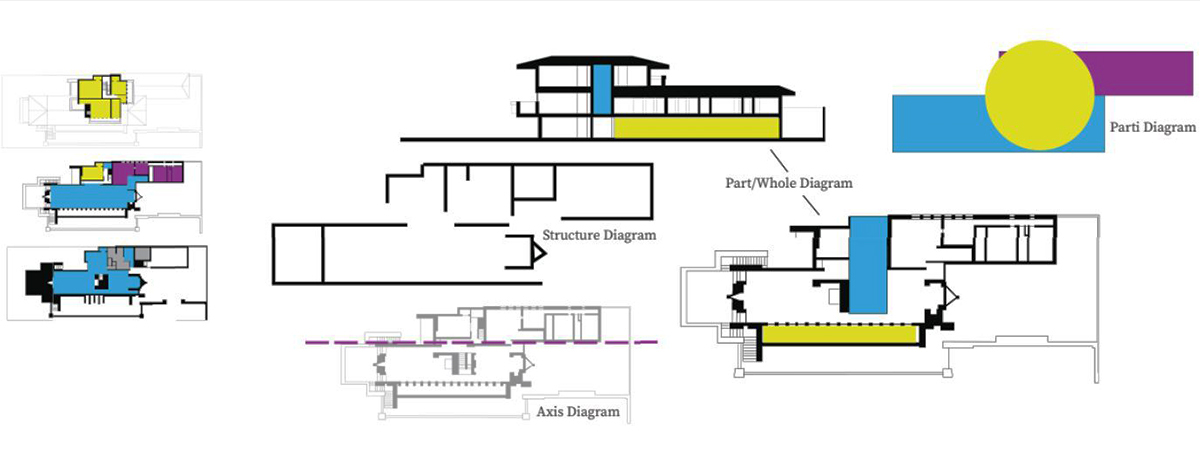


Discovering and applying the big idea in architecture is essential for guiding the development of inspiring, coherent projects. Understanding this concept can transform how architects approach their creations.
What is the Big Idea in Architecture?

The big idea is the central concept around which an architectural project is structured. Every project should have an idea that serves as guidance throughout the design process. If an architect can’t identify this idea, it’s a clear sign that the work needs some serious reflection.
Importance of the Big Idea
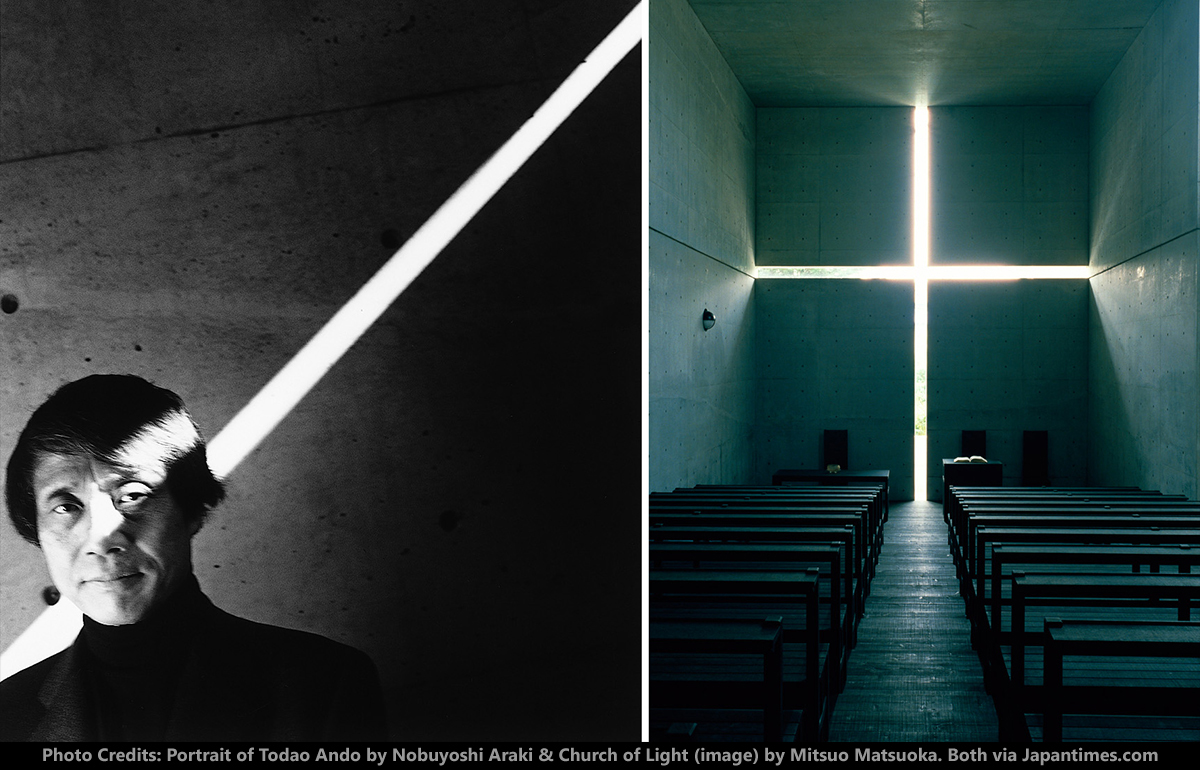
A big idea is crucial because:
- Guides the project: It serves as a clear compass, aiding decision-making.
- Unifies creation: It keeps all elements of the project aligned and coherent.
- Facilitates communication: It allows the architect to share their vision efficiently with clients and collaborators.
How to Create a Big Idea?

To establish the big idea, I can seek inspiration from several sources, such as:
- Context: Analyze the environment where the project will be built.
- Program: Consider the needs and desires of the future users.
- Precedents: Observe previous projects that might offer insights.
- Theory: Reflect on architectural concepts that resonate with my vision.
The Big Idea in Architecture School

During those formative years, developing a big idea is especially important. In college, students are bombarded with a torrent of information. Focusing on a single idea helps synthesize all that knowledge into a more refined architectural solution. This skill becomes even more crucial in the professional world, where various factors can influence the project.
Connecting with Clients
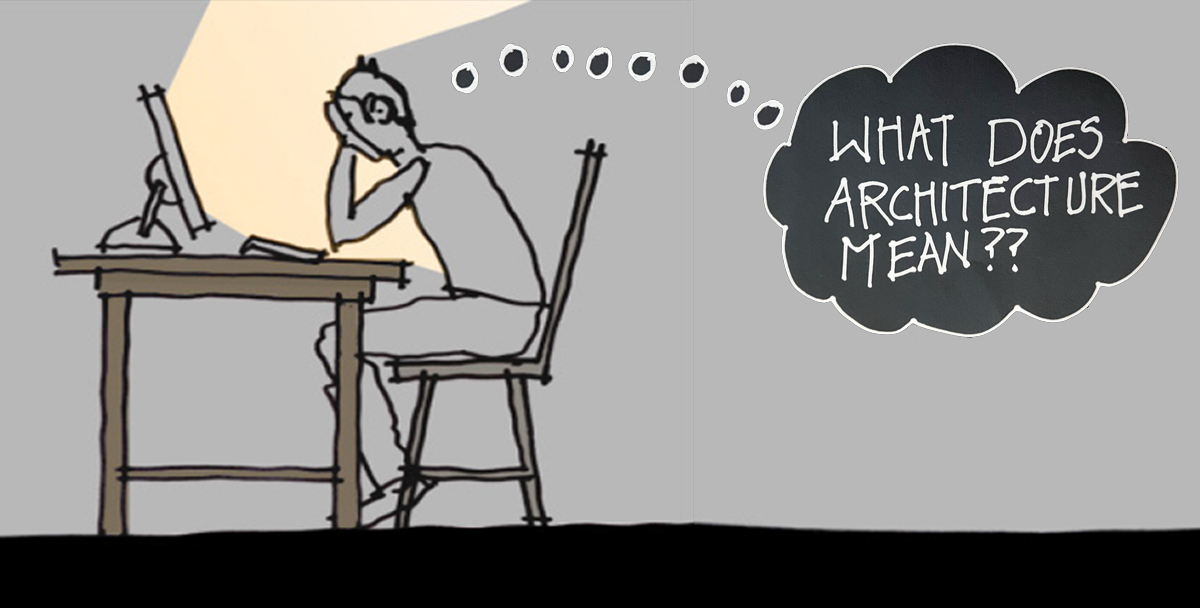
The ability to communicate the big idea is vital, as clients usually aren’t familiar with architectural jargon. Connecting with them through emotions and tangible experiences is far more effective than using complex language. An accessible big idea sparks both interest and understanding from the client.
A Case Study: Famous Architects

Several renowned architects throughout history have centered their careers around a big idea, such as:
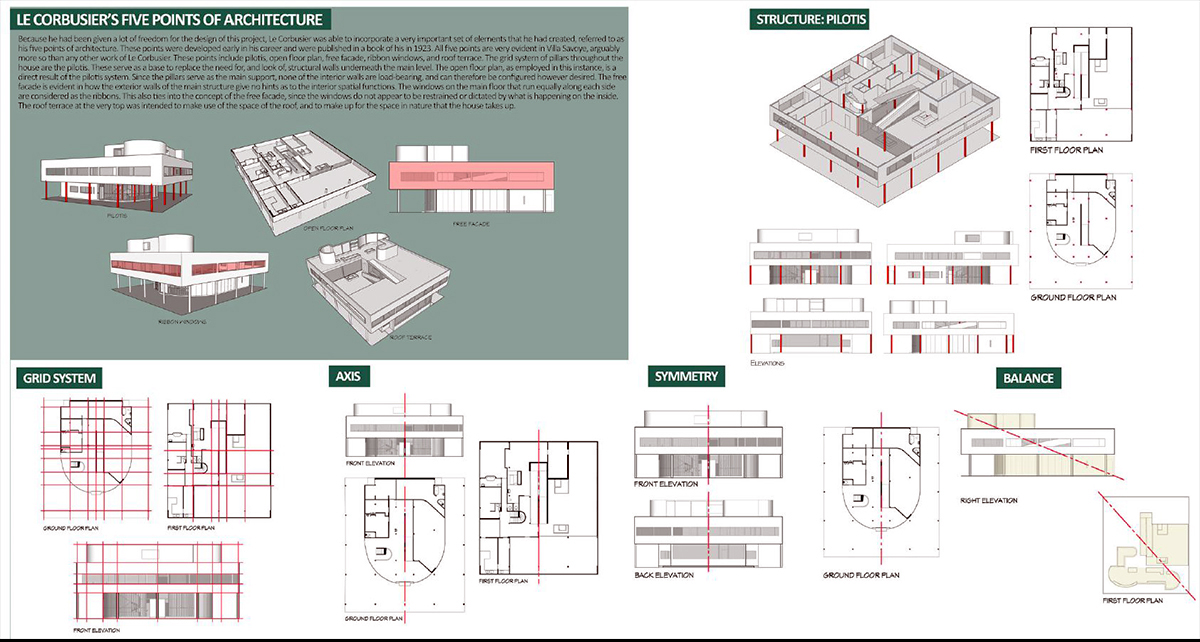
- Le Corbusier: His concept of the “Five Points of Architecture”.
- Mies van der Rohe: The motto “Less is More”.
- Tadao Ando: The manipulation of light in his designs.
These big ideas have allowed these architects to explore and evolve over the years, resulting in a rich and varied body of work.
How to Stay Focused on a Project?
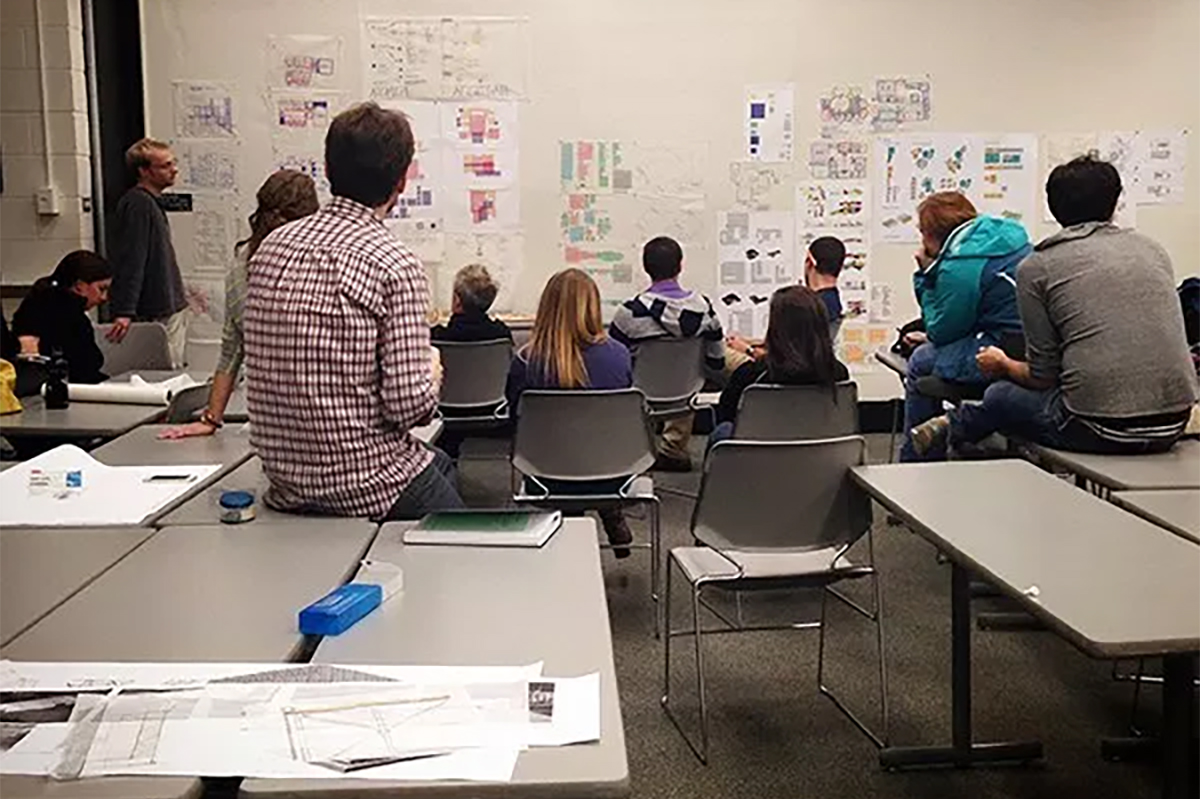
It’s common for students and new architects to want to cram multiple ideas into their projects. However, too many concepts can confuse the final message. Learning to focus on one central idea allows for a clearer and more cohesive execution—and trust me, that’s where the magic happens!
Summarizing the Big Idea

| Aspect | Description |
|---|---|
| Definition | The big idea is the central concept of an architectural project. |
| Importance | Guides, unifies, and facilitates communication. |
| Creation | Inspirations can come from context, program, and theory. |
| Client Connection | Clear communication of the idea is essential. |
Continuous Development of the Big Idea
Ultimately, finding a solid big idea allows architects to explore their proposals throughout their lives. This not only enhances the work but also encourages continuous learning. Those who develop this skill early are likely to enjoy a successful career.
To dive deeper into the topic, I encourage you to explore other content about architecture, like interior design and sustainability. These insights could further elevate your career and enrich your practice.
Now that you’ve seen the importance and application of the big idea in architecture, I’m inviting you to share your own experiences in the comments! How has your big idea influenced any of your projects? Let’s connect and share some laughs!