

“`html
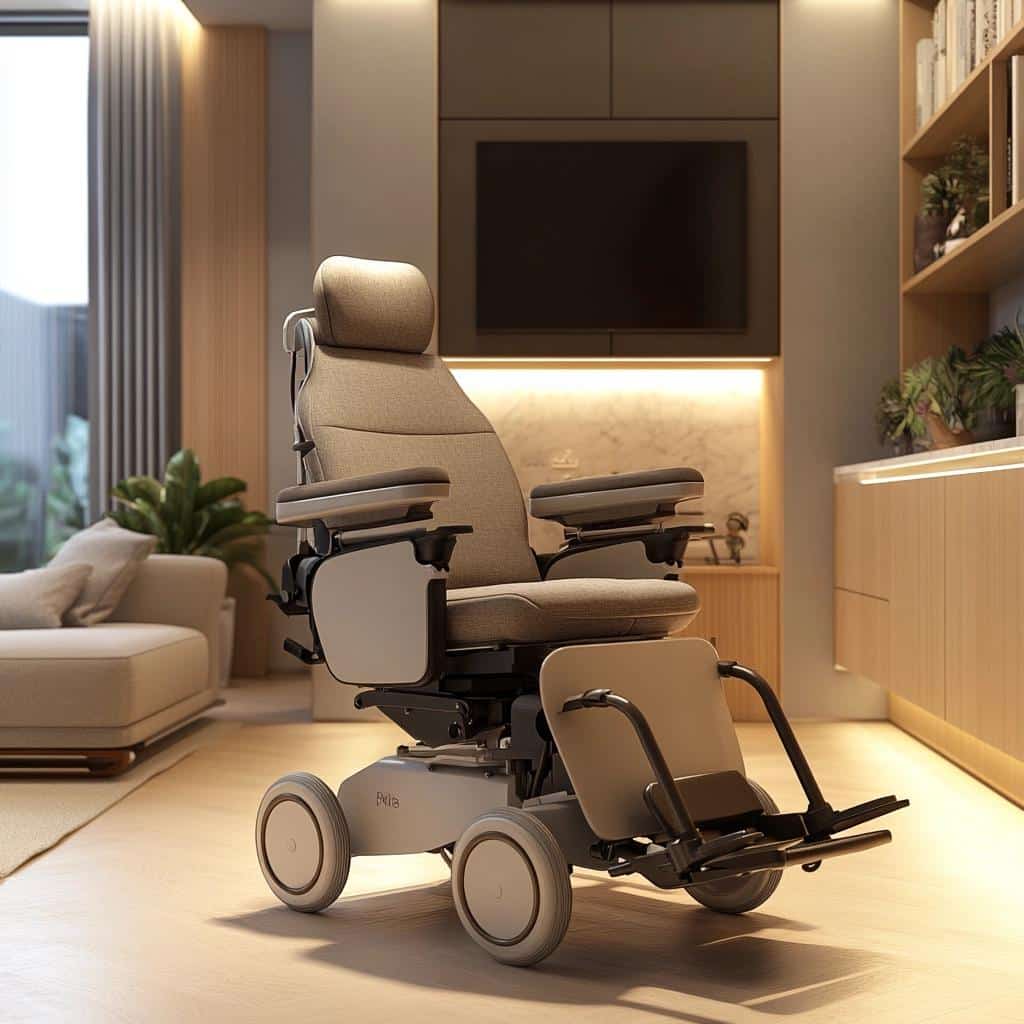
Creating a stylish and accessible decor for wheelchair users is not just about appearance; it’s also about functionality and comfort. Let’s dive into how to design spaces that empower autonomy without sacrificing style!
Introduction
Setting up a space that’s accessible means unlocking freedom and comfort for wheelchair users. It’s a mix of creativity and practicality, and I’ll share some smart tips and insights on how to achieve that.
The Importance of Accessible Decor
Embracing Benefits for Everyday Living
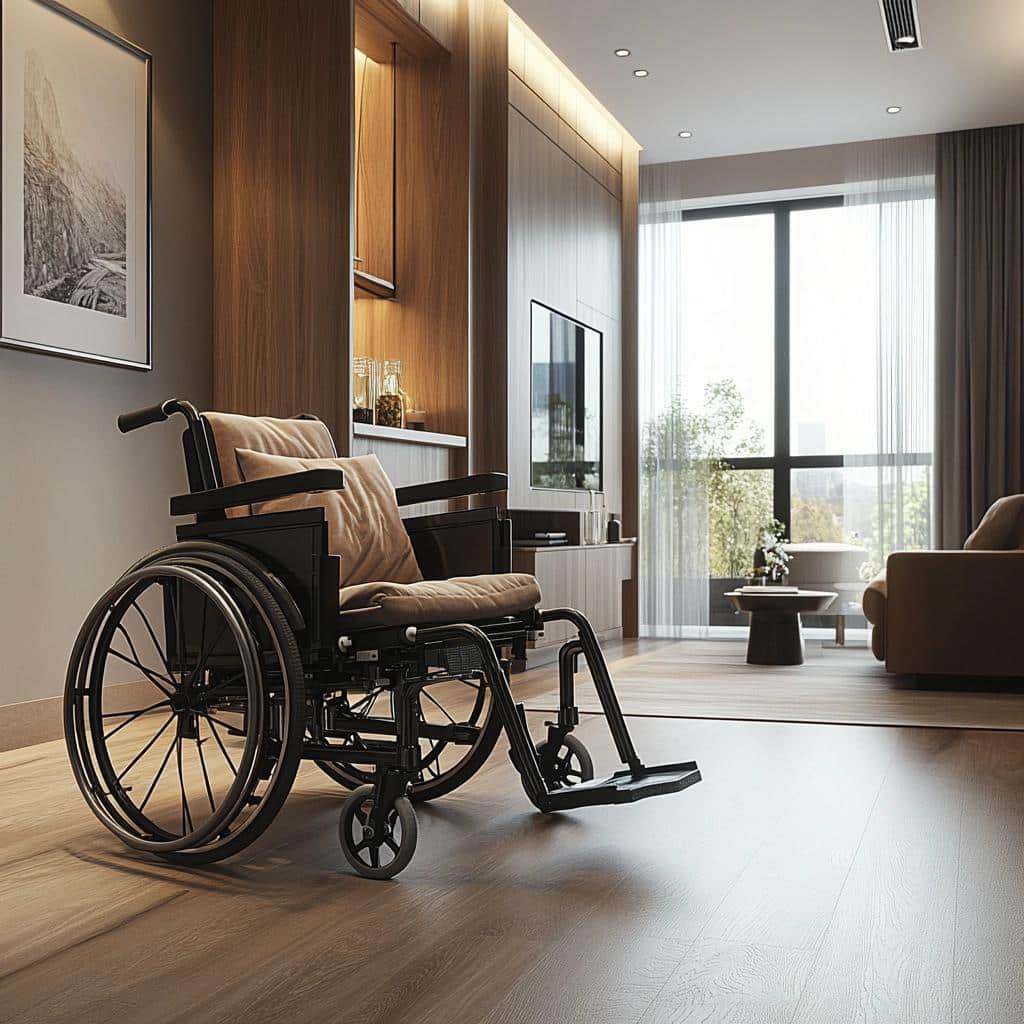
Accessibility is like a key that opens up new realms of possibility. It’s not just about the physical space; it’s about enhancing overall quality of life. Imagine a home where moving around is as easy as pie, providing security and inclusion for everyone.
5 Essential Tips for Adaptive Decor
Step 1: Invest in Customized Furniture
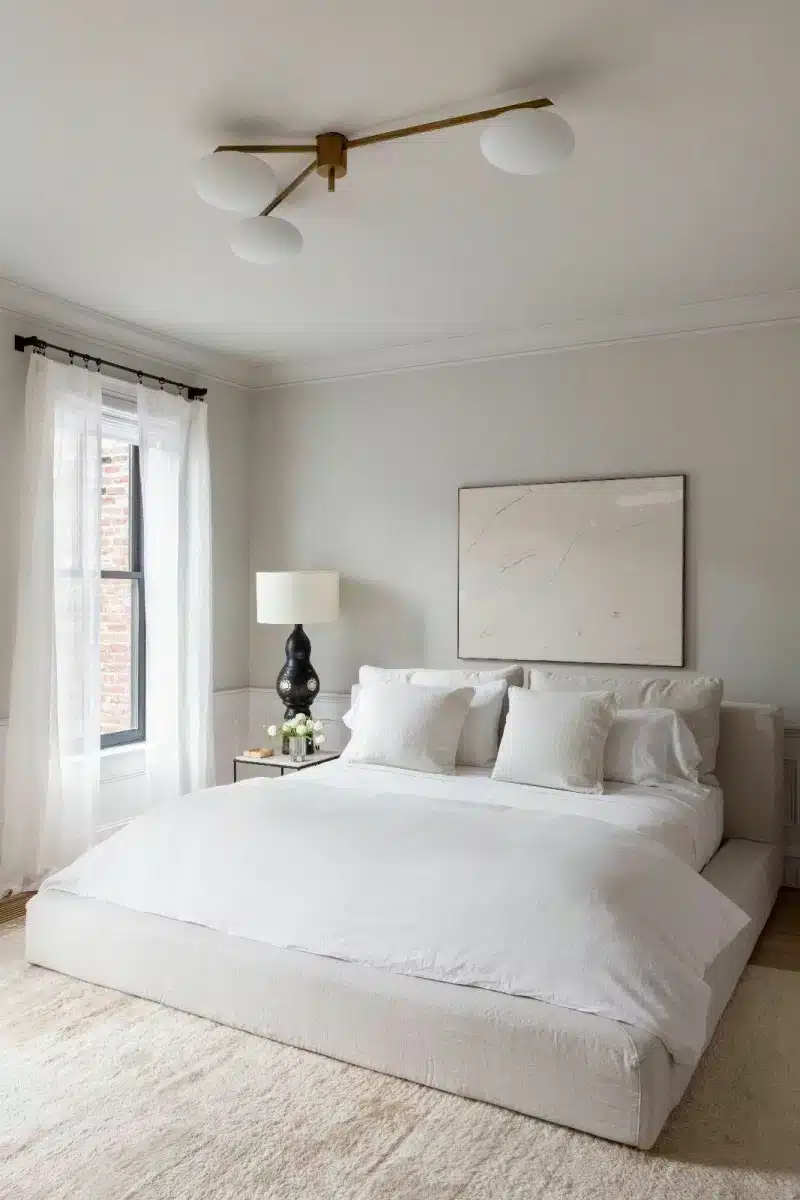
You’d be surprised how tailored furniture can transform a room! When planning your space, consider using furniture designed specifically for functionality. Think about height, depth, and dimensions. Round edges can prevent awkward bumps and bruises during daily maneuvers.
Step 2: Choose Safe and Reliable Flooring
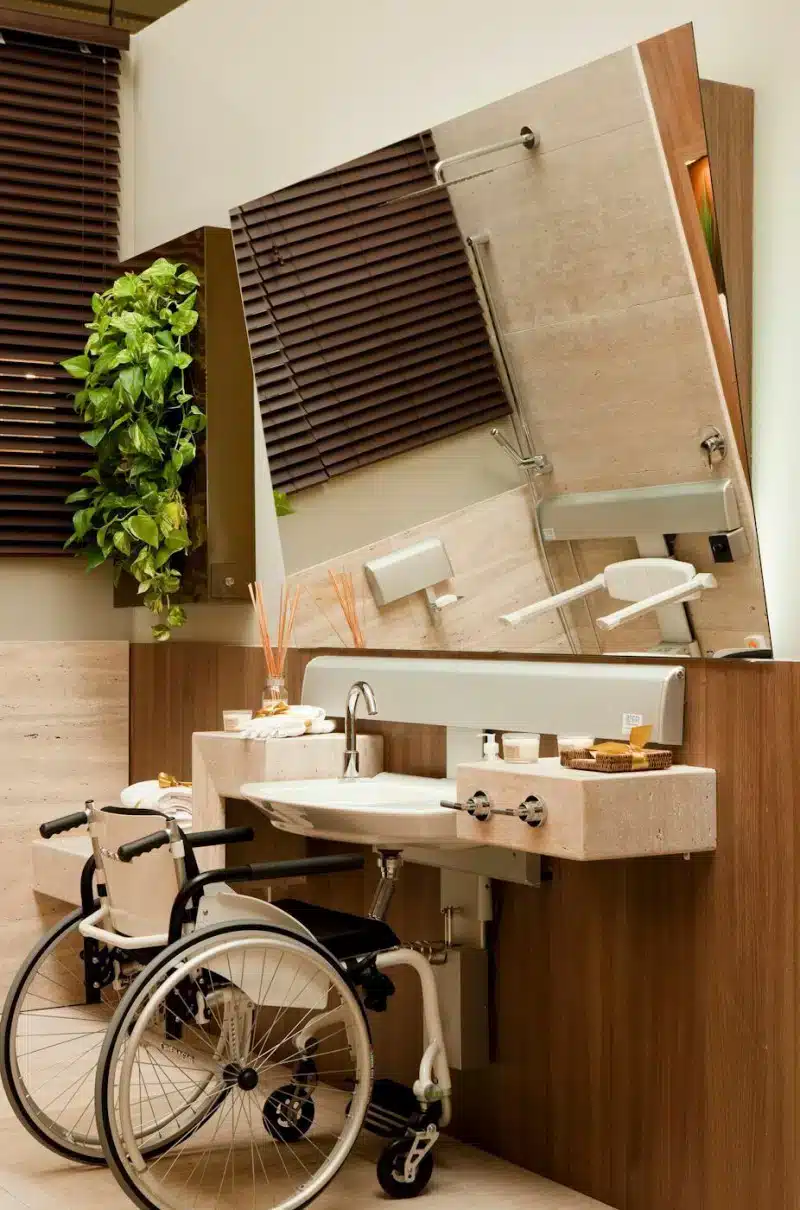
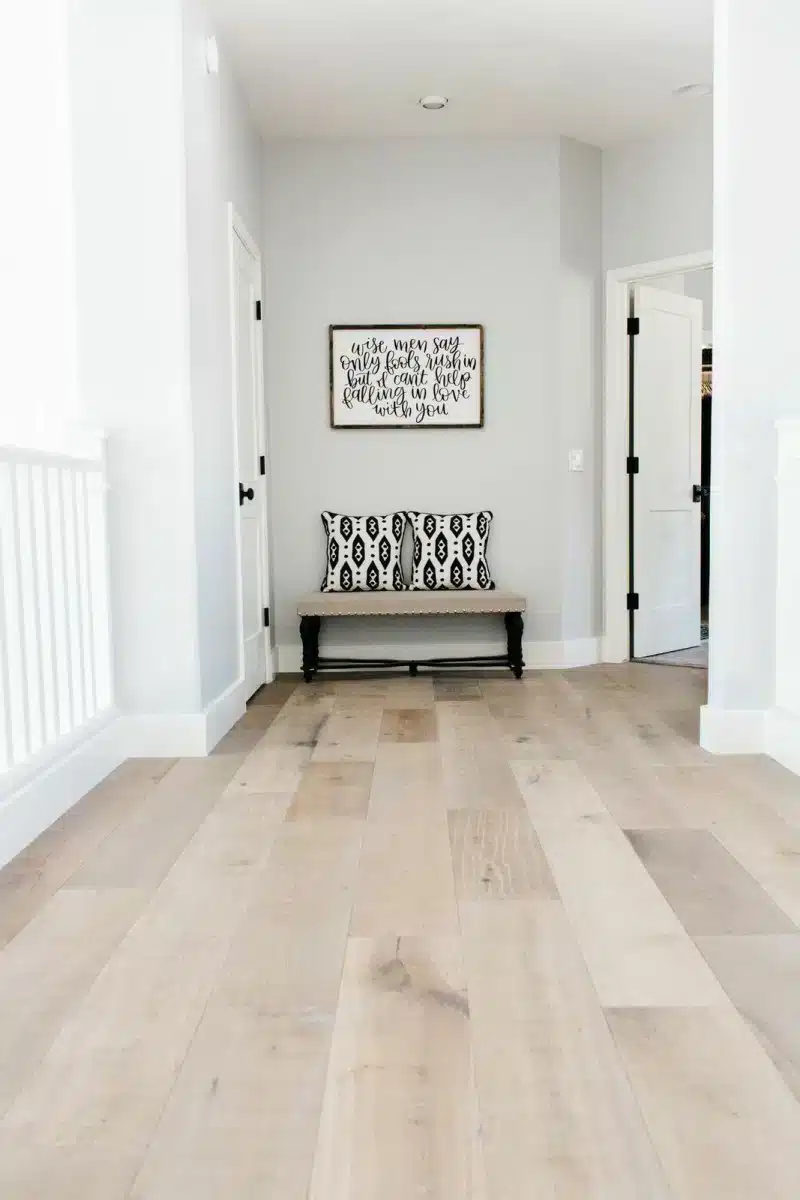
The right flooring makes all the difference. Opt for non-slip surfaces to keep everyone steady on their feet—or wheels, as the case may be. Materials like textured tiles or rubberized floors are excellent choices that scream style while ensuring safety.
Step 3: Keep Essentials Within Reach
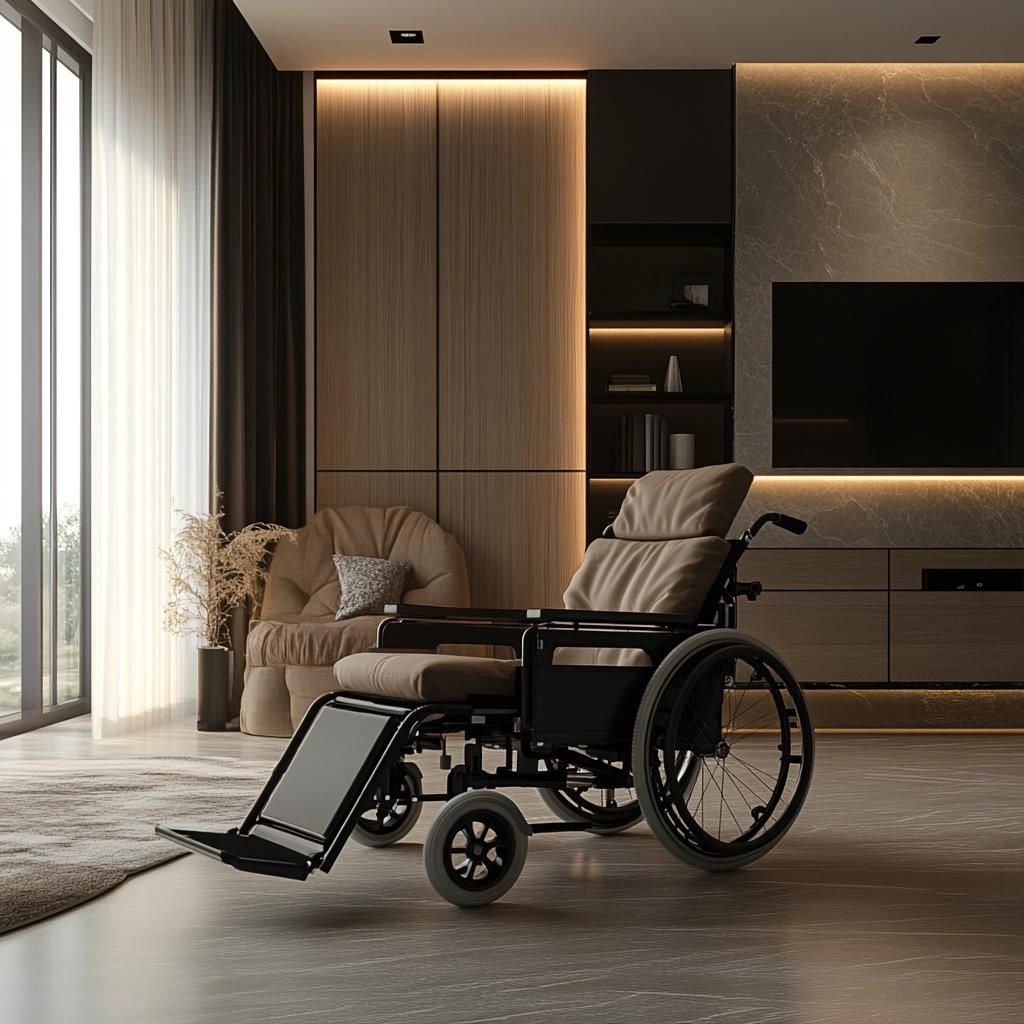
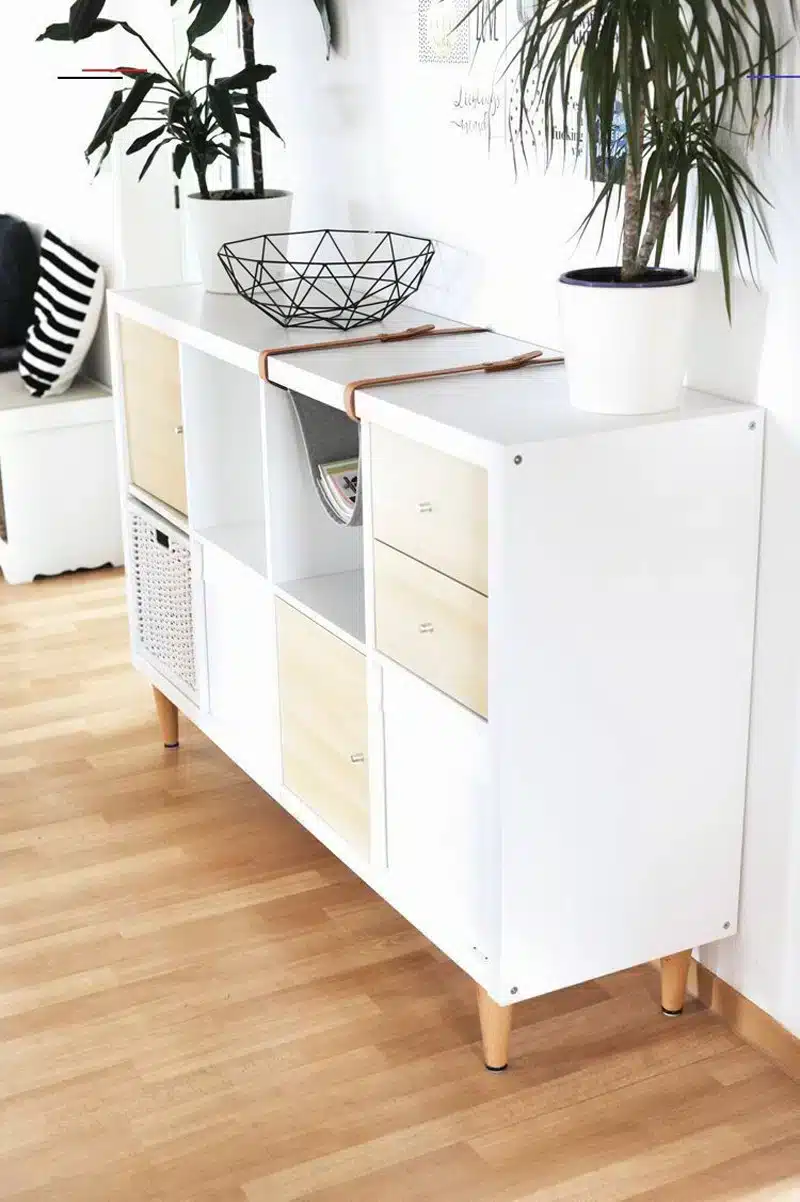
Let’s make life easy! Ensuring that frequently used items are at arm’s length is a game changer. Position cabinets and shelves lower than usual—around 35 inches from the ground, for instance—to ensure everything is convenient. You can even add pull-outs to maximize space without compromising access.
Step 4: Illuminate Wisely

Lighting isn’t just about brightness; it’s about making an area feel alive! Utilize layered lighting by combining ambient, task, and accent lights to create a warm and inviting atmosphere. Having good visibility allows for safer navigation, giving freedom to explore every nook and cranny.
Step 5: Embrace Minimalism
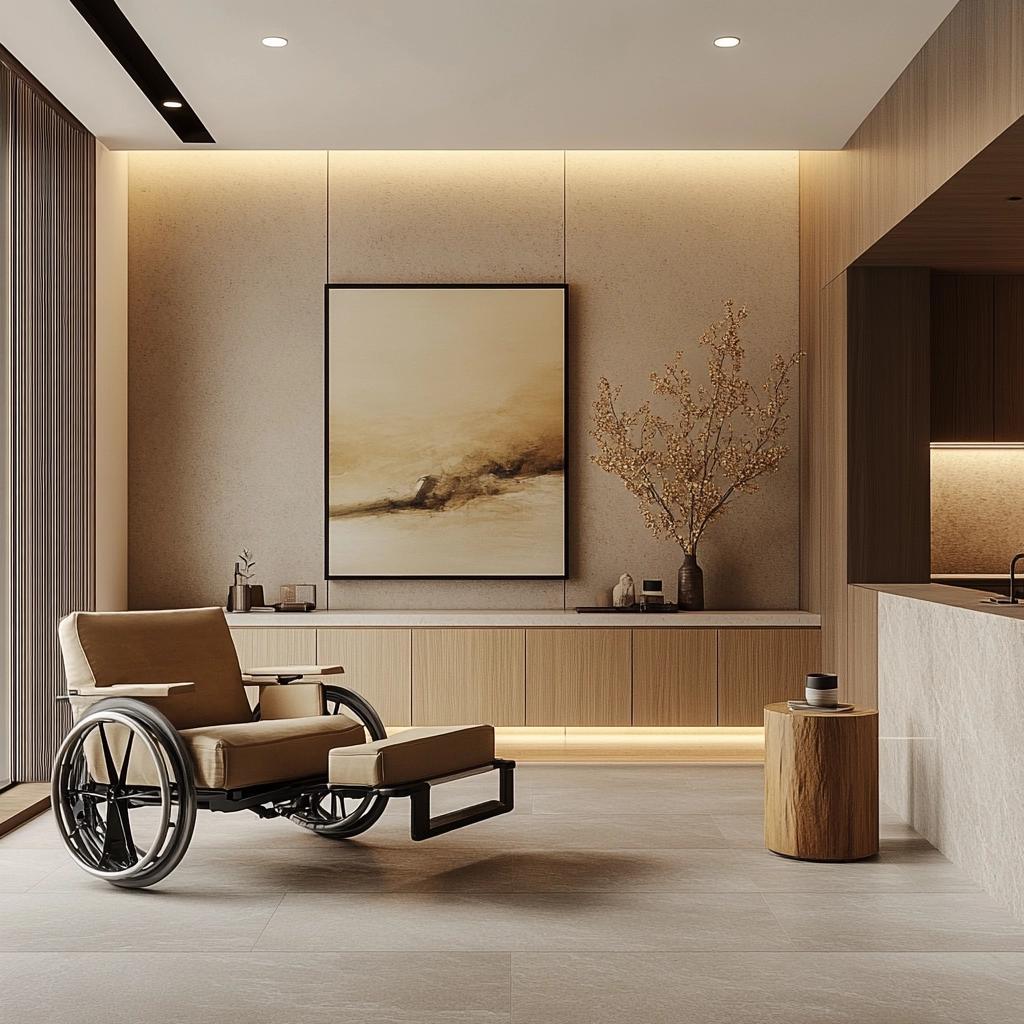
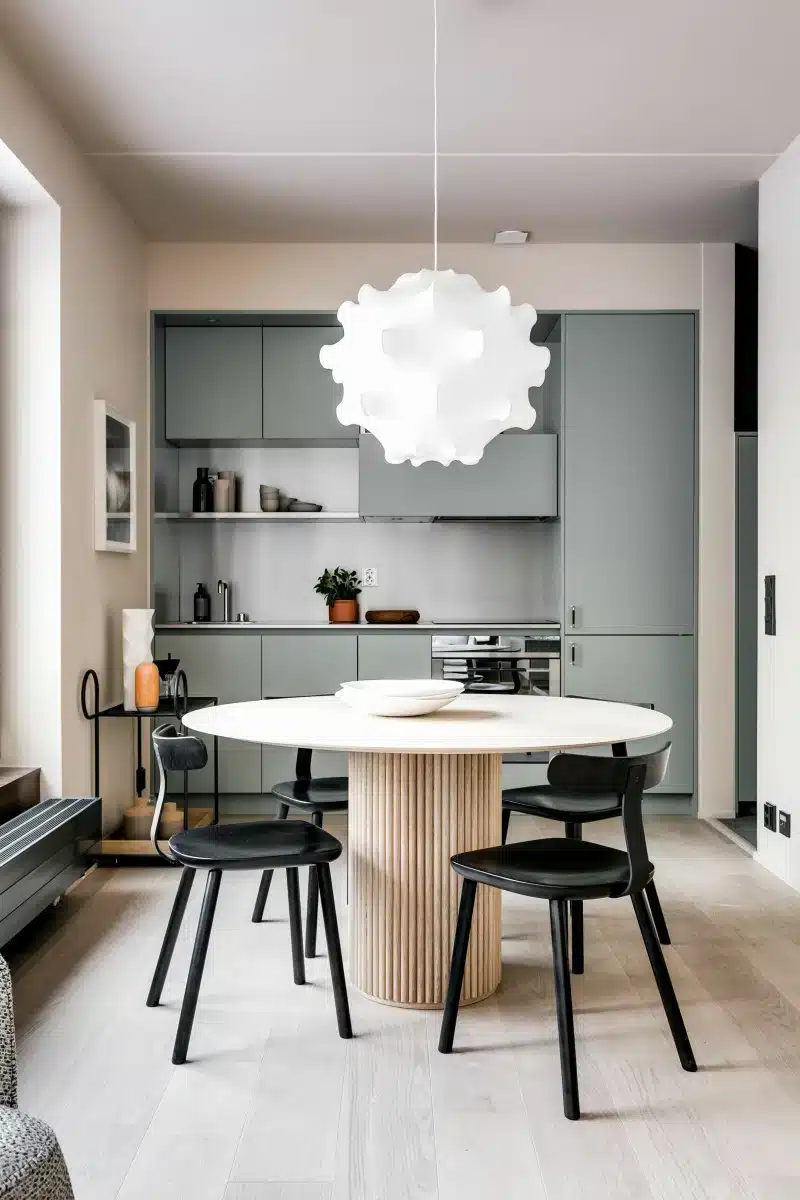
Clutter can be a wheelchair user’s worst enemy. A clean, minimalist approach with less furniture and accessories can help create open spaces. Think of it like a fresh salad—leaving out excess ingredients highlights the freshness of each component!
Conclusion
Decorating for wheelchair users is more than just aesthetics; it’s about creating a haven of accessibility, comfort, and style. By incorporating practical solutions and thoughtful design, we can craft spaces that are not just livable but truly enjoyable. Embrace these tips and turn your home into an inviting space that everyone, no matter their mobility, can appreciate!
“`