

“`html
When it comes to construction, the civil engineering industry is a cornerstone of society, creating key infrastructures such as homes, roads, and hospitals. Getting it right involves detailed planning and a team of skilled professionals who turn blueprints into reality.
Key Takeaways
- Understanding Structural Design: Comprehensive details about how structural projects are planned and the materials involved to ensure safety and resilience.
- The Importance of Electrical Planning: Insight into the electrical project’s components and the regulations that keep buildings safe from electrical hazards.
- Hydraulic Considerations: How hydraulic systems are designed to prevent leaks and maintain efficiency in water supply and drainage.
- Canteen Management: Exploring the significance of an organized construction site, including worker safety and efficient material management.
- Division of Construction Segments: Breakdown of different facets of civil construction, from residential buildings to large-scale infrastructure.
- Embracing Modern Technology: Discovering how tech innovations like 3D printing and drones are revolutionizing the construction industry.
Introduction to Civil Construction
The civil construction industry is not just about bricks and mortar; it’s about creating spaces where lives unfold and communities thrive. This article dives deep into the key aspects of civil construction, shedding light on everything from structural plans to cutting-edge technologies.
Structural Design’s Role in Safety
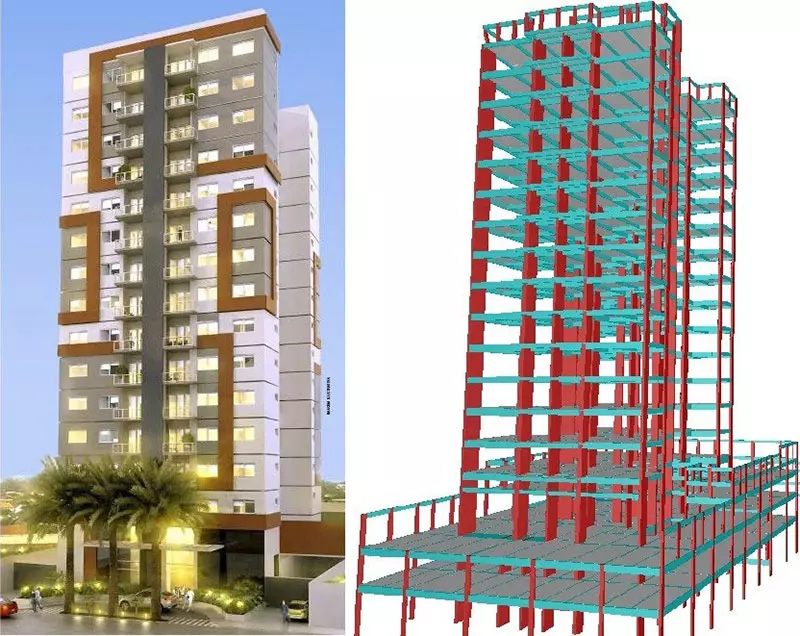
Let’s kick things off with what I consider the backbone of any construction project—the structural design. This is where a solid foundation is laid out, quite literally. The design spells out how a building will hold up against forces like wind, earthquakes, and, well, curious squirrels. Every beam, every column, is drawn up with care.
Even a simple building project can turn into a chaotic mess if the structural plans aren’t on point. We’re talking about the big guns—engineers creating blueprints that specify everything from the size of steel rods to the type of concrete. If this is off, the whole building could bow out in the wrong direction, and that’s a sight nobody wants to see!
The Process of Creating Structural Designs

Creating a robust structural design is no walk in the park. It’s like crafting a beautifully layered cake—one must ensure that each layer is just right. First things first, the site must be evaluated. Soil tests are essential to see what we’re working with. Then comes drafting the plans and reviewing them for compliance with building codes.
Decoding Electrical Projects
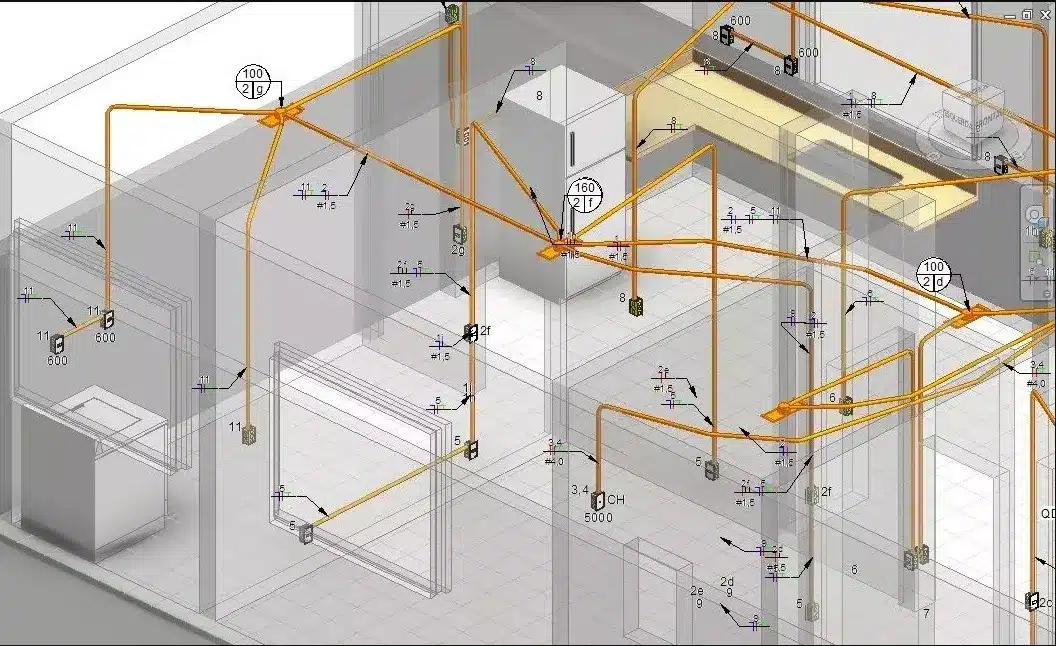
Now, let’s shed some light—pun intended—on the electrical projects involved in construction. There’s a lot going on behind the walls that keep us cozy with lighting and power. Electrical plans define where outlets go, how systems are interconnected, and crucially, what safety protocols are in play.
Raising Safety Standards
When I think of electrical design, I can’t help but picture a well-fed spaghetti monster—wires snaking all over the place. But fear not! There are comprehensive standards and regulations that keep everything orderly. Following these helps us avoid short circuits, overloads, and those dreadful moments when you touch a metal handle and get a jolt. Ouch!
Hydraulic Systems: More than Just Pipes
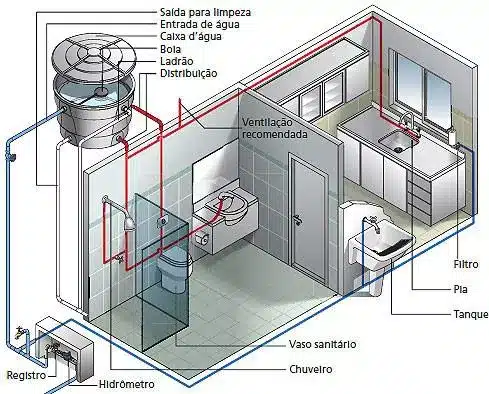
Moving along to the waterworks, the hydraulic project looks after everything that has to do with the flow of water, from faucets to sewage systems. You might say that without a solid hydraulic design, a building could end up like a leaky boat—hard to keep afloat!
Key Elements of Hydraulic Design
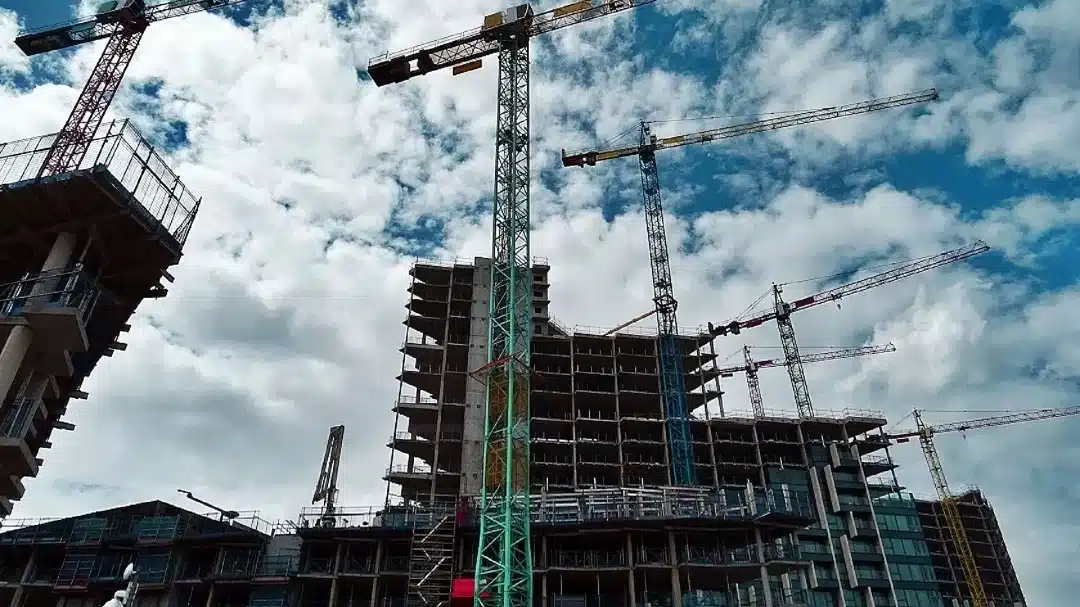
First off, determining the load requirements is crucial. You don’t want to underestimate how much water your building will flow through. This project outlines the layout for piping, drainage systems, and other essential features. It’s all about keeping things moving and preventing clogs, a bit like a well-oiled machine—except it’s more about liquid than moving parts.
The Canteen: Heart of the Construction Site
When I step onto the construction site, I’m reminded of a bustling kitchen where every chef knows their role. The canteen serves as the nerve center for all activities. Here, safety, management, and teamwork come together to create a seamless workflow.
Ensuring Safety on Site

With heavy machinery and materials flying around, it’s paramount that the canteen is organized. Safety protocols must be in place, from proper signage to ensuring that everyone wears their hard hats. If not, the construction site can quickly become a set of blooper reels waiting to happen.
Construction Segments Explained
The civil construction landscape isn’t monolithic; it splits into two primary segments—building construction and infrastructure development. Think skyscrapers and bridges—both vital but requiring different approaches.
The Nuances of Different Segments
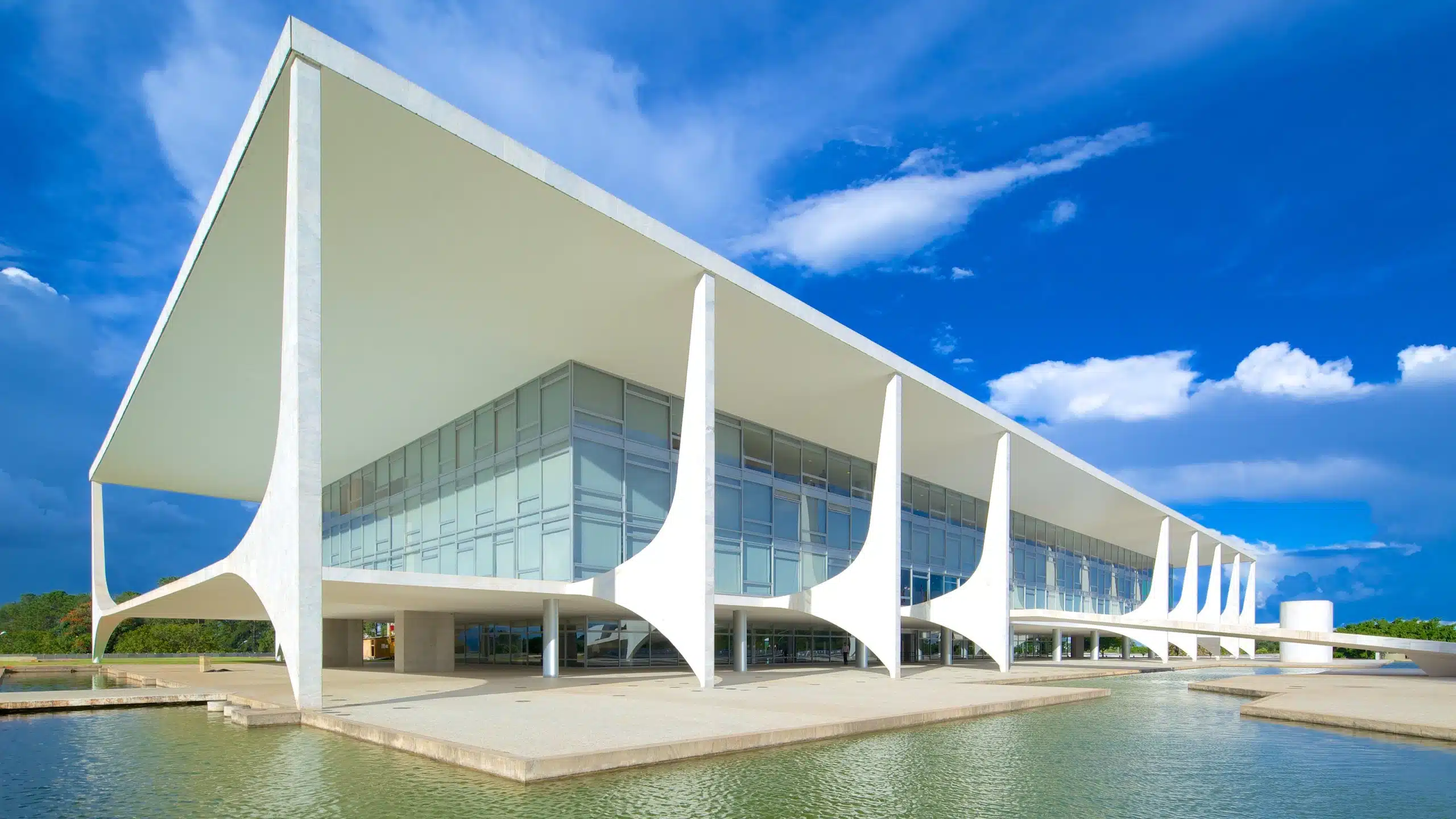
Building construction generally focuses on the creation of residential structures, offices, schools, and the like. Infrastructure deals with roads, railways, and airports—how we connect and transport ourselves. Each segment has its unique set of challenges and exciting opportunities. It’s like deciding whether to cook Italian or Thai!
Technology’s Impact on Civil Construction
As I look around the construction industry today, I can’t help but marvel at how technology is shaking things up. Innovations such as virtual reality, drones, and even 3D printing make substantial impacts on how we plan and execute projects.
Examples of Technological Advances

Take virtual reality, for example—it allows us to visualize our designs before a single brick is laid! Drones can fly over sites, giving us up-to-date aerial views without the need to hire a helicopter (unless you really want to). And let’s not forget good ol’ 3D printing, which promises to cut down on wasted materials and time. All these innovations allow us to not only keep projects on track but also improve overall efficiency.
Conclusion: The Future of Civil Construction
As we forge ahead into the future, it’s vital that we embrace sustainable practices while still pushing for innovation. The world is changing, and so is construction. We’re tasked not only with building structures but with constructing spaces that genuinely benefit both people and the planet. Ever too often, I find myself pondering: are we not carving out our legacy with each brick? It’s an exciting time to be part of the construction world!
“`