

“`html
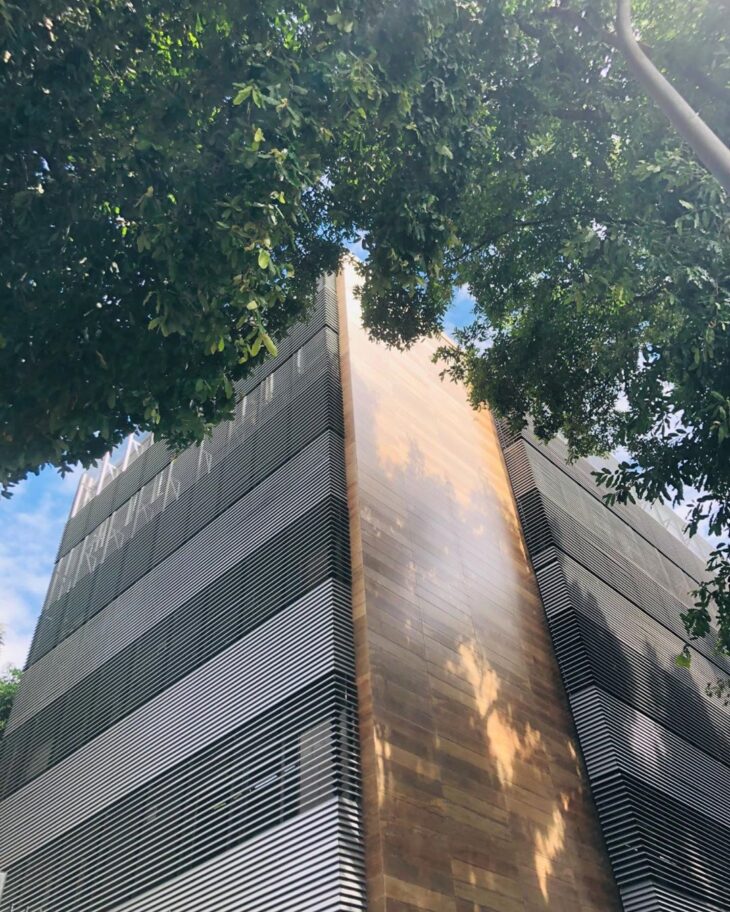
Brises are architectural elements that significantly enhance both the aesthetics and functionality of buildings. By effectively managing sunlight incidence and improving ventilation, they are becoming increasingly popular in residential and commercial structures.
Understanding Brise and Its Purpose
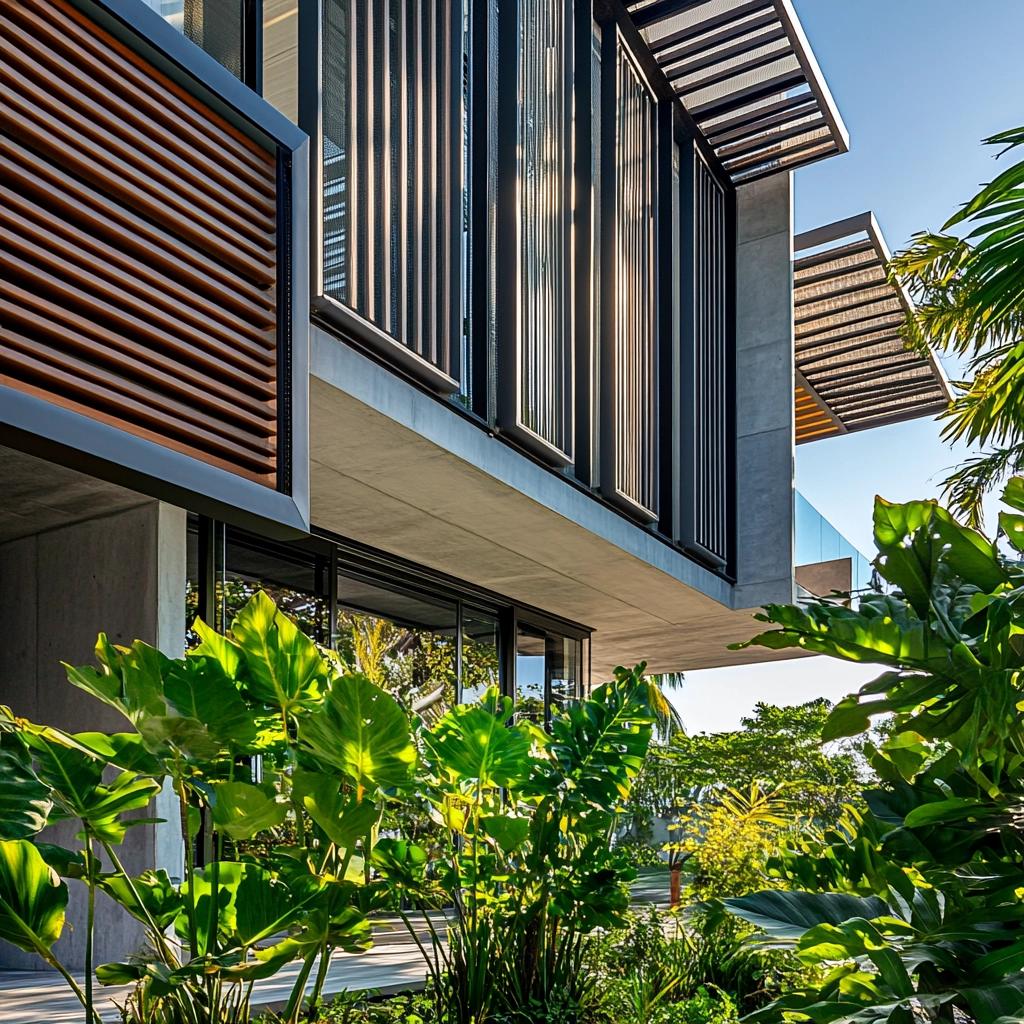
So, what is this fancy word “brise,” right? Well, it’s short for brise-soleil, which is French for “sun breaker.” Imagine a sleek architectural feature that makes your building not just cooler in temperature but also cooler in style! It essentially provides sunshine control while adding that little touch of flair to your structure.
Why Use a Brise?
Now, I’ve seen some folks wonder what makes a brise worth the buzz. First and foremost, it’s all about comfort. It helps regulate heat inside a building, meaning you won’t need to keep your air conditioning blasting like a heavy metal concert. It also offers some much-needed privacy by obstructing the view from nosy neighbors or passersby.
Types of Brises: Horizontal vs. Vertical
Ah, the eternal debate: horizontal or vertical? Choosing the right type can make all the difference in how well it performs. A horizontal brise is ideal for those sun-drenched facades, typically found facing north, where the sun just loves to hang out. On the flip side, vertical brises shine for east and west-facing sides, catching that pesky morning and afternoon sun.
Brise Horizontal
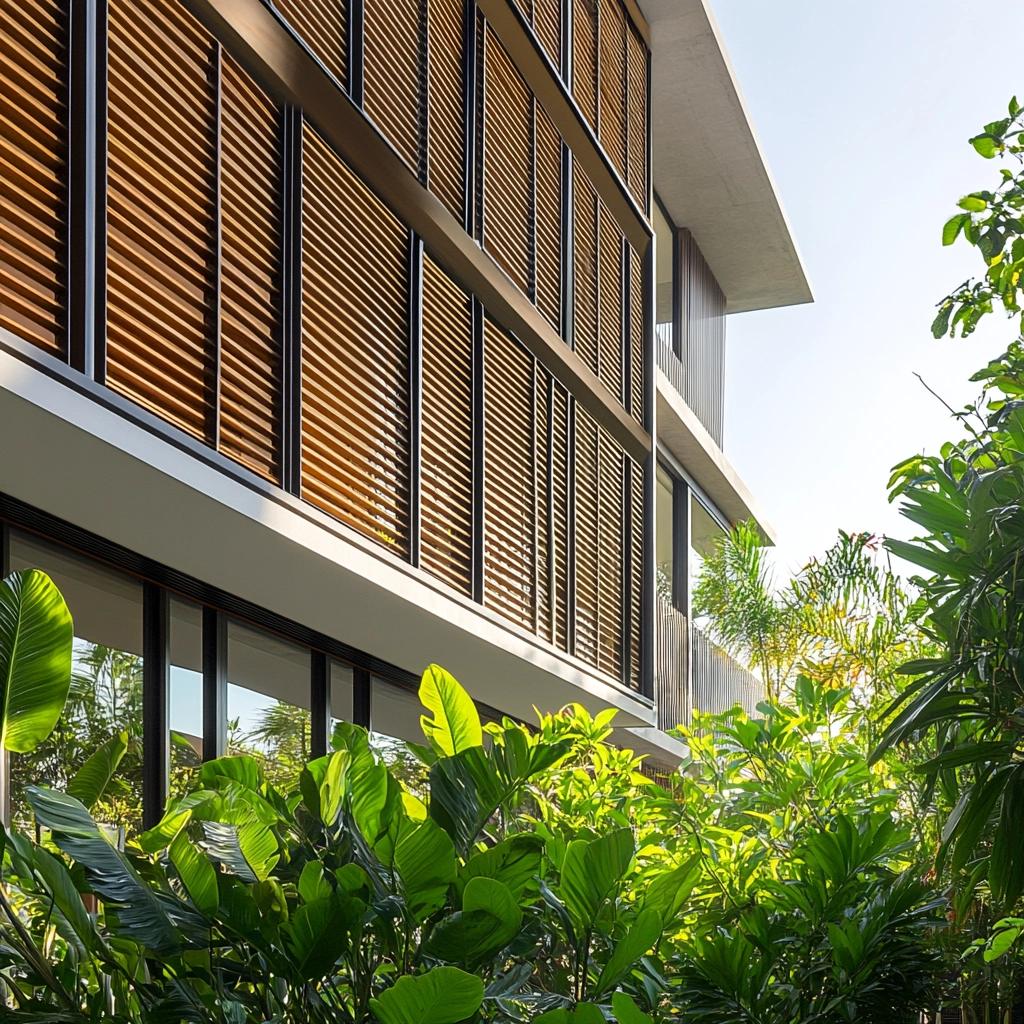
This little baby is a superstar when installed on north-facing walls. It works hard to shield your interiors from relentless sunlight, keeping things cool and cozy. Plus, it often adds a modern vibe that can make a plain building look cutting-edge!
Brise Vertical
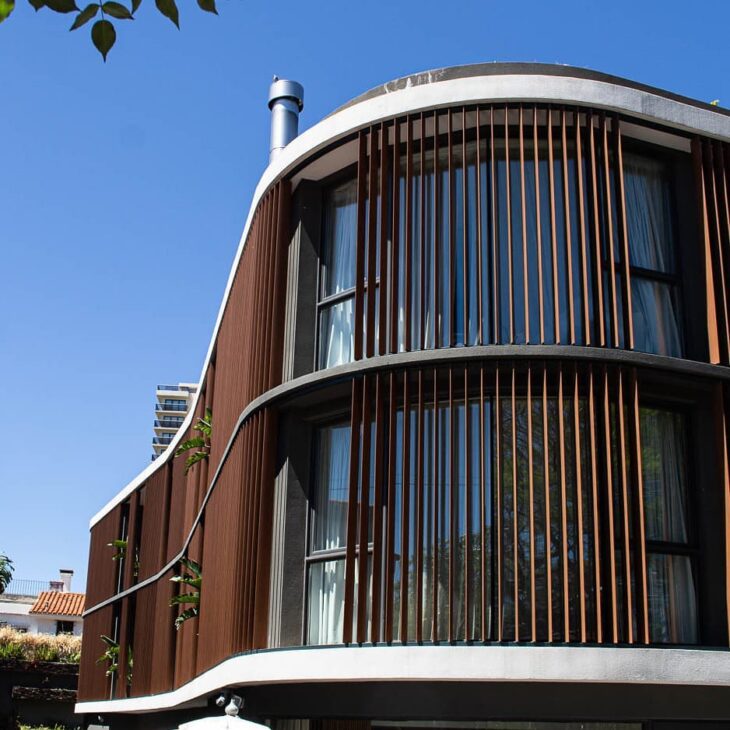
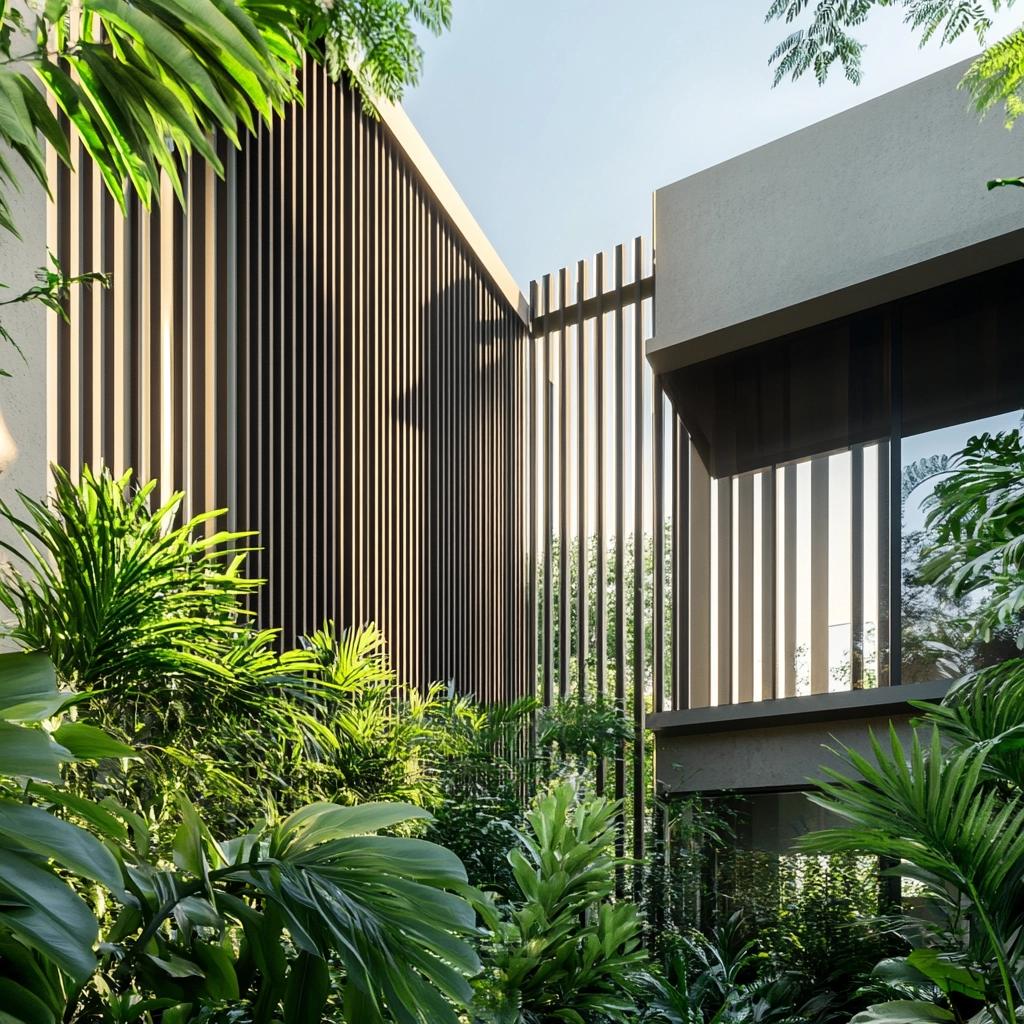
For homes with no regrets about catching that golden morning light, a vertical brise is the way to go. It’s like giving your home a stylish pair of sunglasses. Ideal for east and west sides, it maximizes air circulation while reducing direct heat. Who doesn’t love a cool breeze?
Materials that Make a Difference
When it comes to brises, the choices of materials are as varied as my sock drawer—some might say chaotic! There are three main contenders: aluminum, wood, and concrete. Each has its own charm and drawbacks.
Aluminum Brise
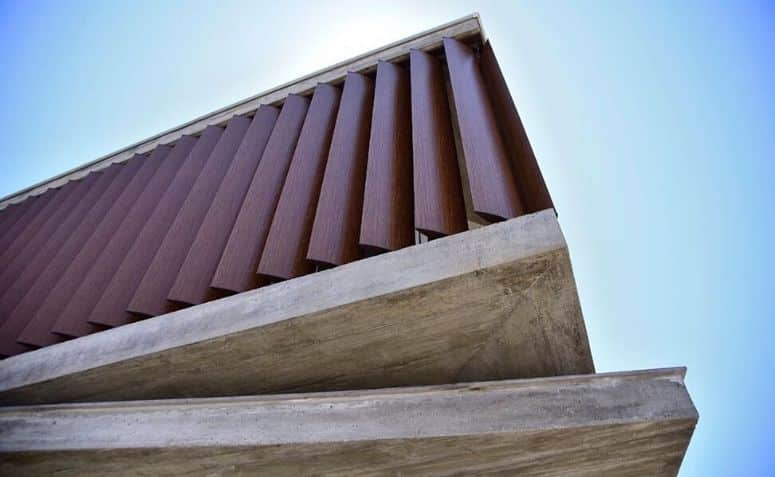
Aluminum offers a light and robust solution that’s easy to install. However, brace yourself for the price tag, as it tends to cost a pretty penny. Still, the modern edge it brings can be worth every cent!
Wooden Brise
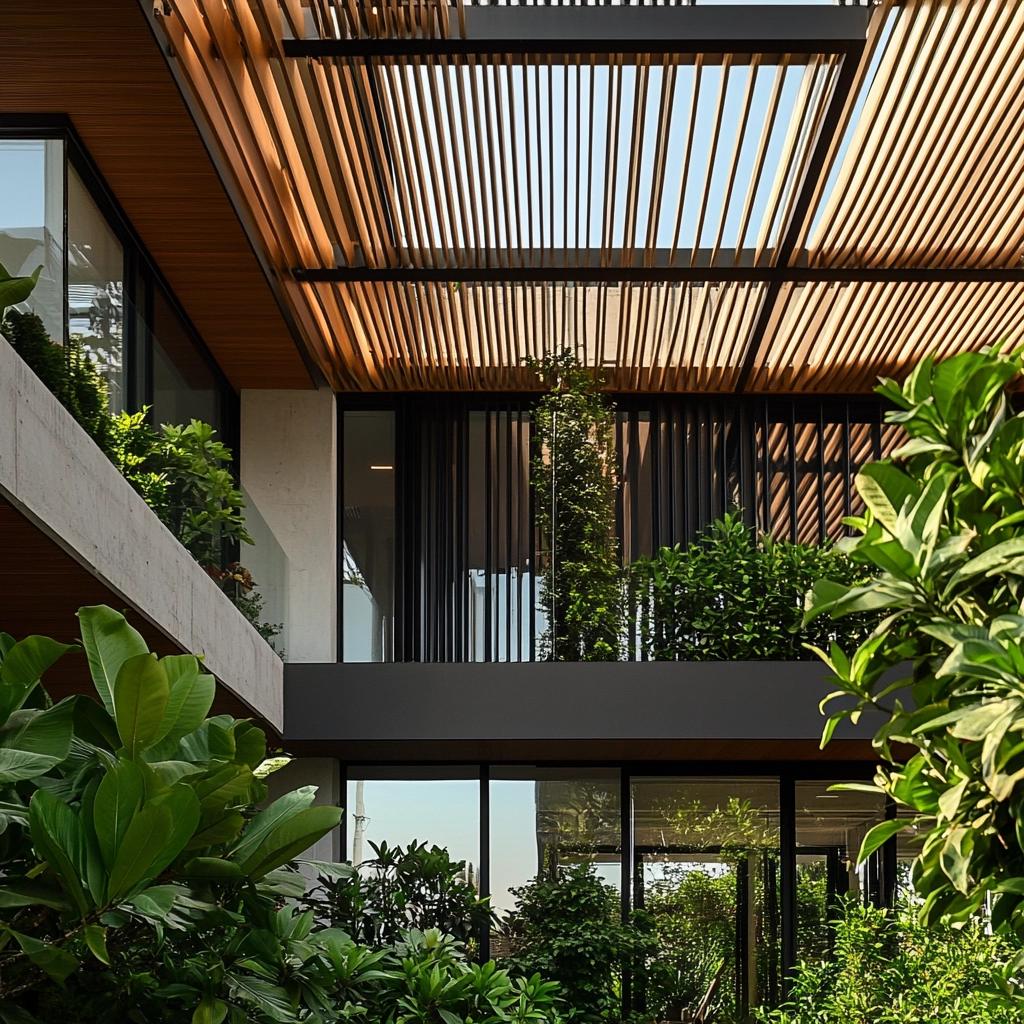
Wood is the charming, rustic choice, promising not just beauty but also warmth and comfort. However, it does crave a bit of TLC, requiring regular maintenance to stay looking fresh. Think of it as the diva of materials!
Concrete Brise
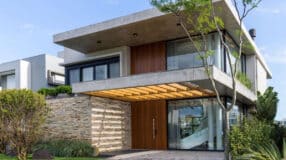
If durability is your game, concrete has you covered. It’s tough as nails (figuratively speaking) and low-maintenance. But don’t expect any hashtags like “#Comfortable” to come out of a concrete brise; it can be a bit chilly.
Conclusion: Enhancing Your Building Experience
To wrap it up, incorporating a brise into your architectural plans isn’t just about aesthetics; it’s about functionality and comfort too. With all the benefits of solar control, thermoregulation, and a dash of style, brises are a winning choice for any construction project. So, are you ready to take your building’s style and comfort to the next level?
“`