

Did you know that damp walls can become a real nightmare in your home? In this article, I’m here to help you discover the best finishes to keep your house free from moisture issues and mold. Let’s dive in!
Introduction
It really seems like humidity can transform into a curse for many folks. The walls of your home often suffer from this menace, and let’s be honest, nobody wants to see their walls covered in mold, right? Therefore, choosing the right finish becomes essential to preserve not only the beauty of your space but also your health.
The Humidity Villains
Before discussing solutions, let’s figure out who the true villains are. Humidity can sneak in from various sources: leaks, rain, and even condensation caused by the ever-changing temperature. These factors turn your walls into the perfect breeding ground for mold and fungi.
So, the first step is identifying the source of the moisture and, of course, addressing it before selecting the ideal finish. Ignoring this is like putting a band-aid on an open wound!
Options for Finishes
Okay, let’s get down to the real deal: the finishes that can aid you in combating humidity. Here are some suggestions that may rescue both your wall and your sanity:
- Special Paints: There are waterproof paints that help form a barrier against moisture.
- Vinyl Flooring: This can be a fantastic choice! Durable and easy to clean.
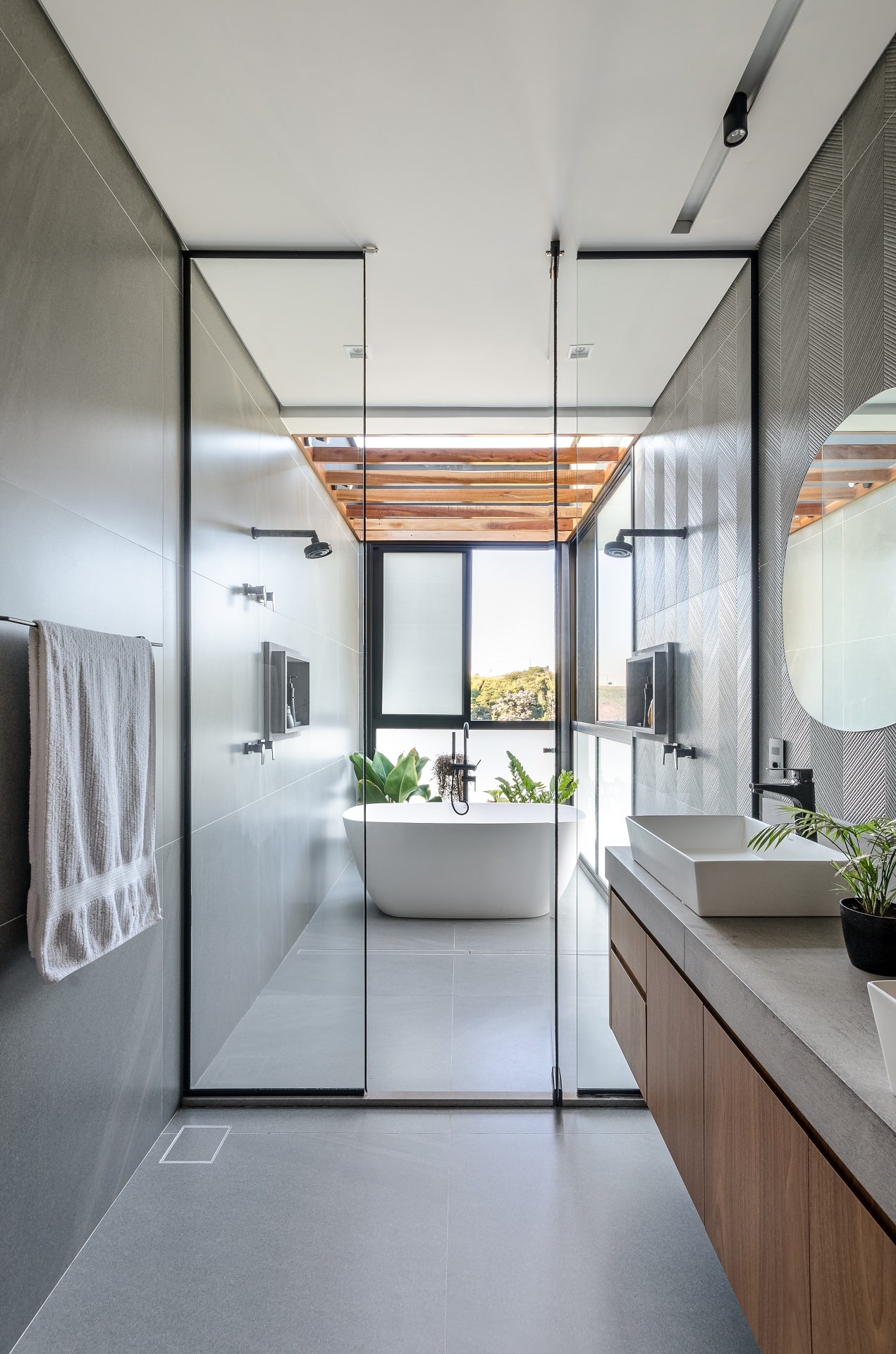
- Ceramic Finishes: Often used in bathrooms and kitchens, they’re not just pretty, they’re quite resilient against moisture.
- Vinyl Wallpaper: A stylish alternative that can bring charm to your space, but it does require some care.
Tips to Prevent Humidity
Want to know how to keep unwanted friends like mold at bay? Here are some quick tips:
- Ventilation: Prioritize well-ventilated areas.
- Shade: Avoid direct sunlight hitting the walls as it can generate moisture.
- Dehumidifiers: Useful on humid days, especially if you live in problematic areas.
These simple measures might just be what you need to keep your home feeling fresh. It’s like giving a breath of fresh air to a stuffy room!
Identifying Moisture on Walls
Now, let’s chat about how to spot moisture on walls. Catching it early is key! Look for these clues:
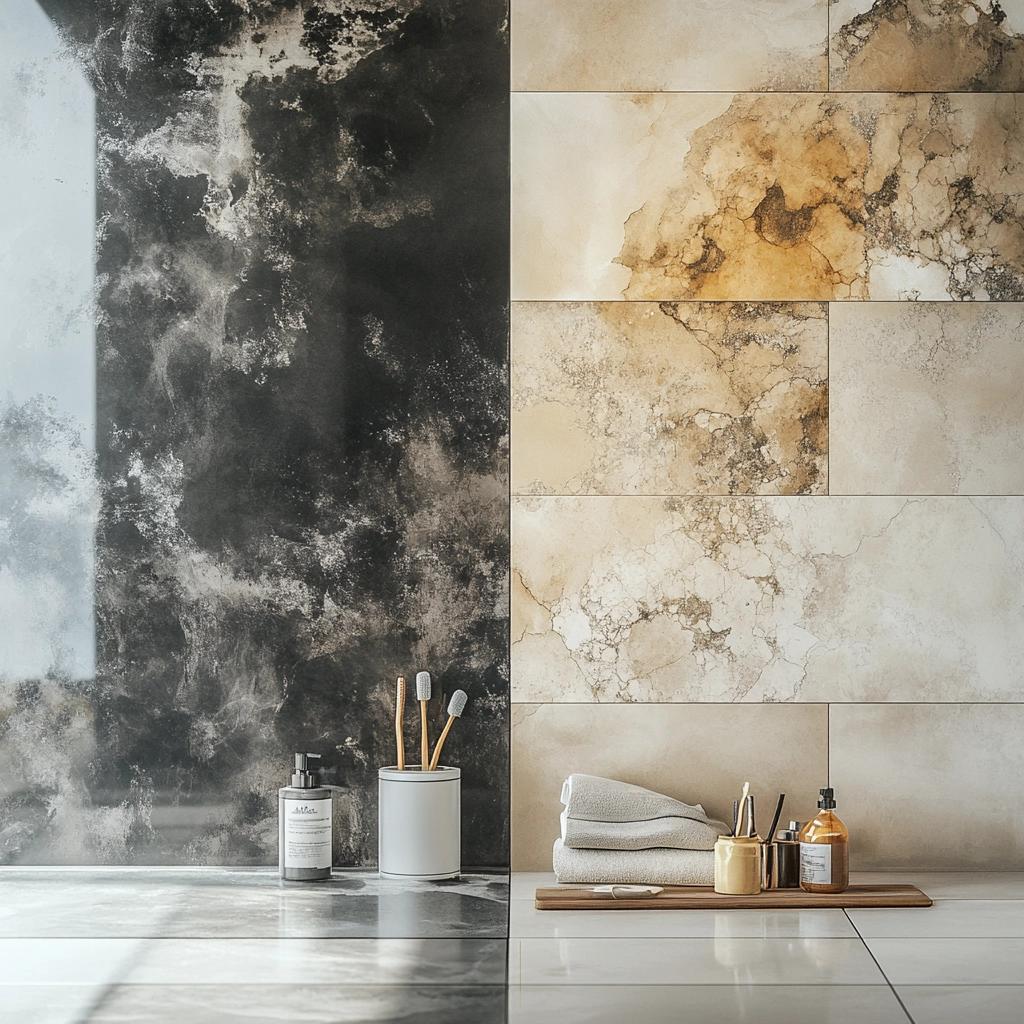
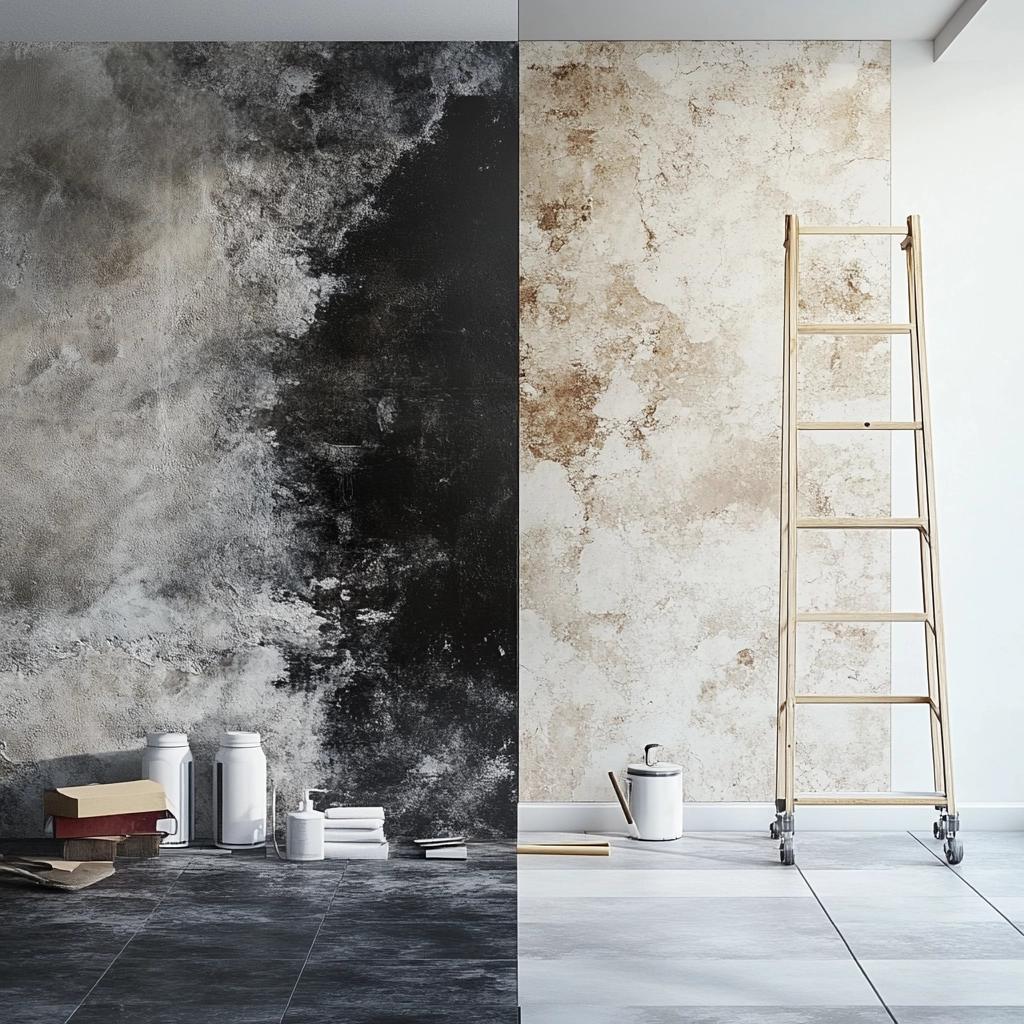
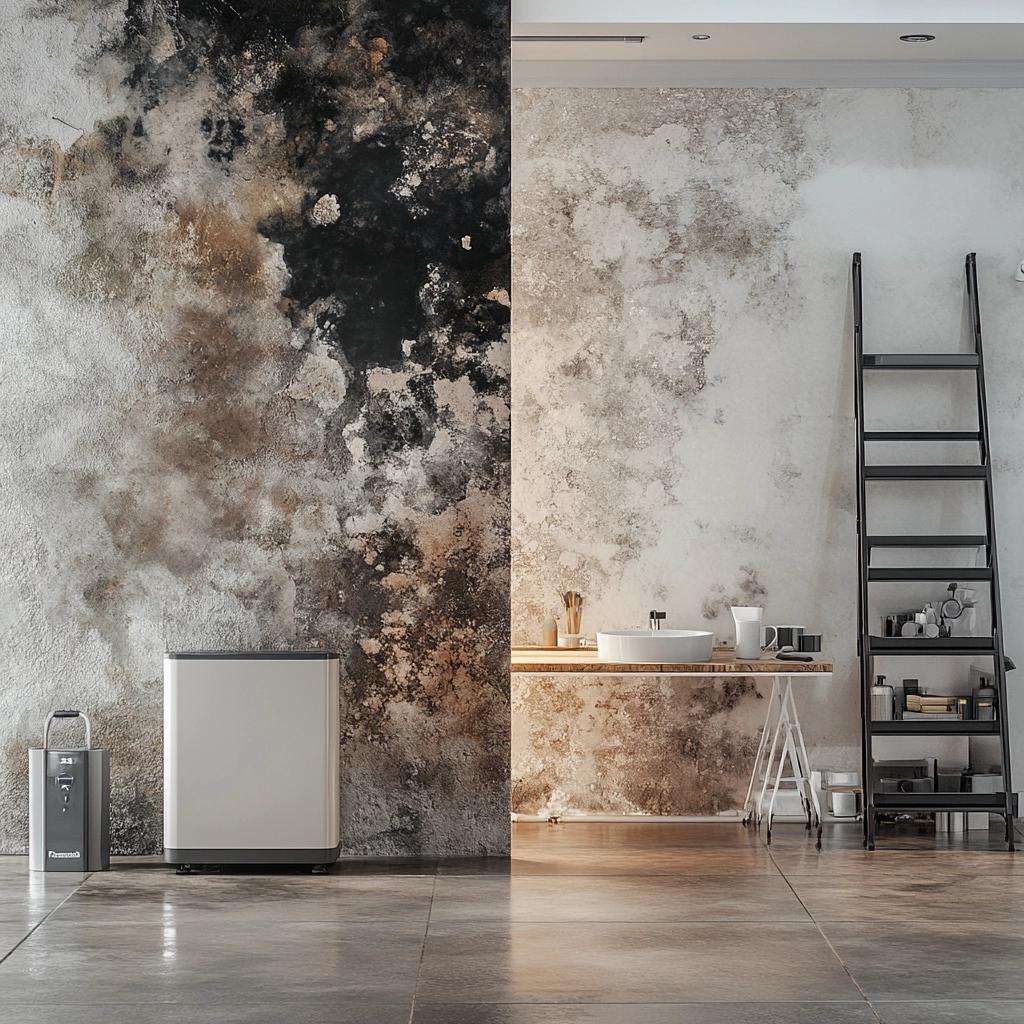
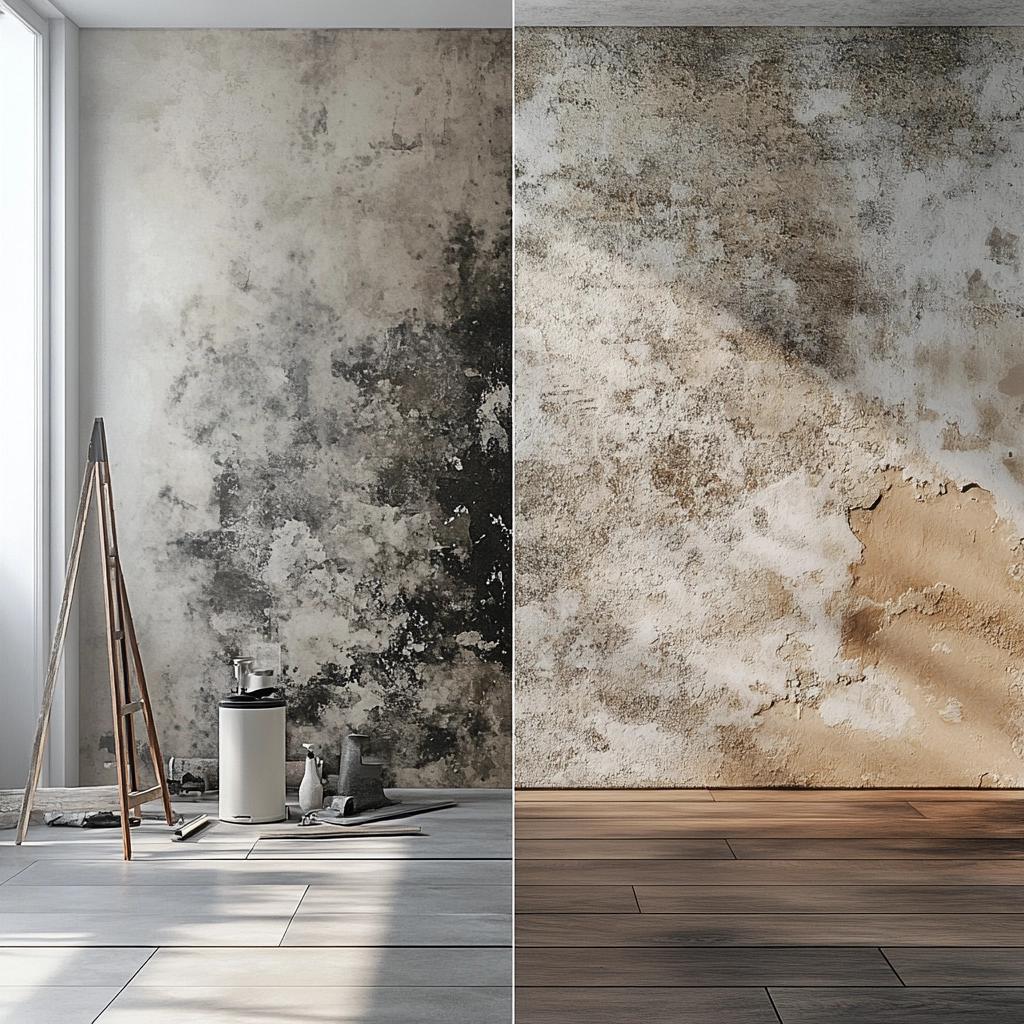
- Stains: Dark or discolored patches often signal moisture. They can range from light yellow to dark brown and usually have irregular edges.
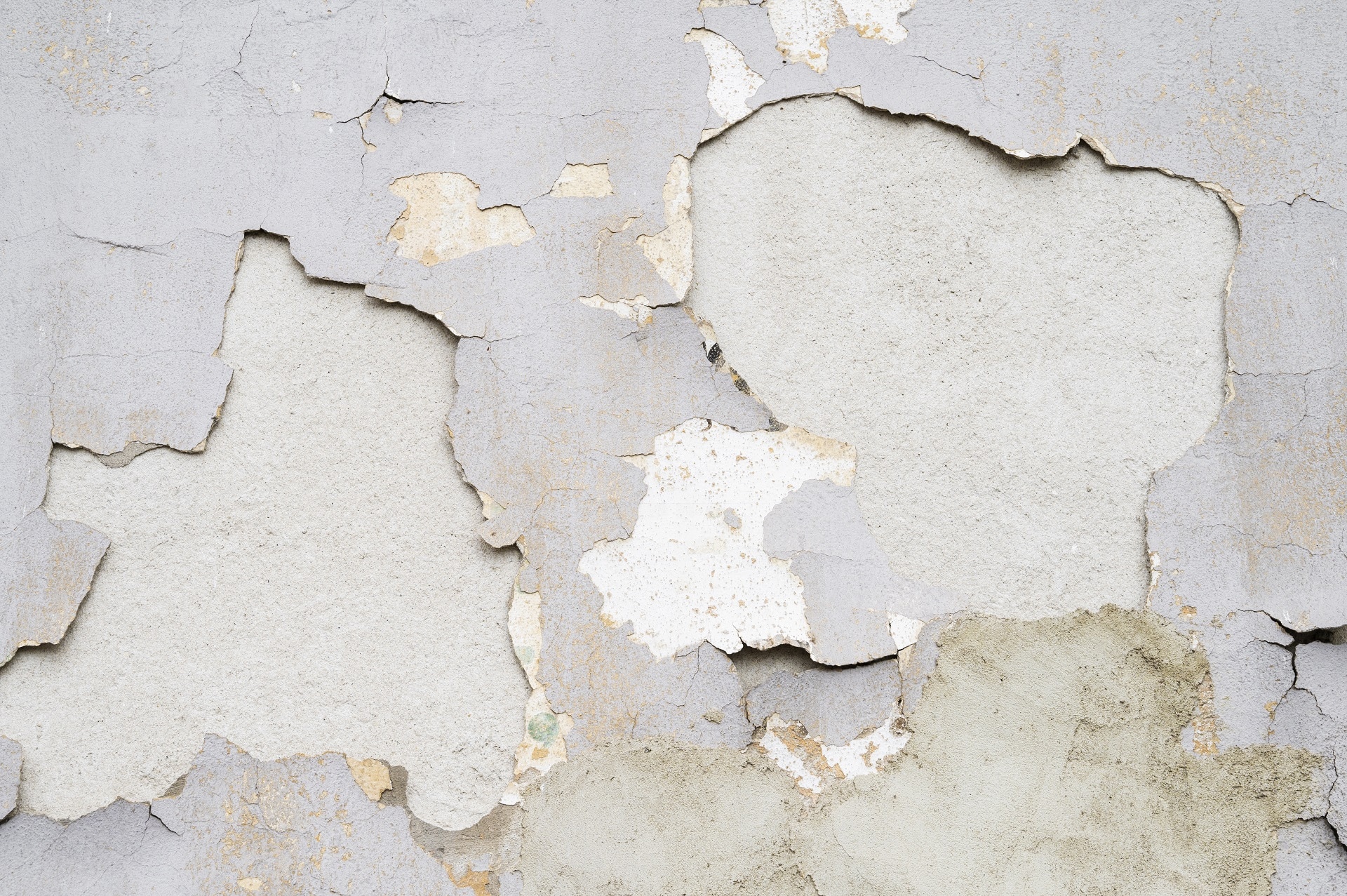
- Bubbles in Paint: When moisture builds up beneath the paint, it can cause it to bubble and peel. A classic sign of water intrusion.
- Texture Changes: Moisture can alter wall texture, making it rough or uneven. In serious cases, it might even cause crumbling.
Common Causes of Humidity
It’s crucial to understand where the humidity is coming from. Here are some typical culprits:
- Water Infiltration: Rainwater can seep through cracks, weaknesses in roofs, or clogged drainage systems.
- Capillarity: This occurs when moisture from the ground ascends through the building materials.
- Condensation: Happens in poorly ventilated areas, where warm air encounters cold surfaces.
Solutions for Humidity Problems
Once you’ve pinpointed the source of the moisture, addressing it becomes your mission! Here are some actionable solutions:
- Seal Cracks: Use proper sealants for fixing fissures and cracks on walls. Ensure roofs and gutters are maintained.
- Improve Ventilation: Enhance airflow in damp areas, such as kitchens and bathrooms. Installing exhaust fans can make a massive difference.
- Use a Dehumidifier: This can seriously help in reducing indoor humidity levels, especially during humid weather.
Taking these steps can significantly enhance your wall’s resilience against humidity.
Selecting the Right Finish for Moisture-Prone Walls
Now, let’s discuss the actual process of selecting the best finishes for your moisture-prone walls. Keep in mind, you can’t just slap a new layer on until the underlying issues are gone!
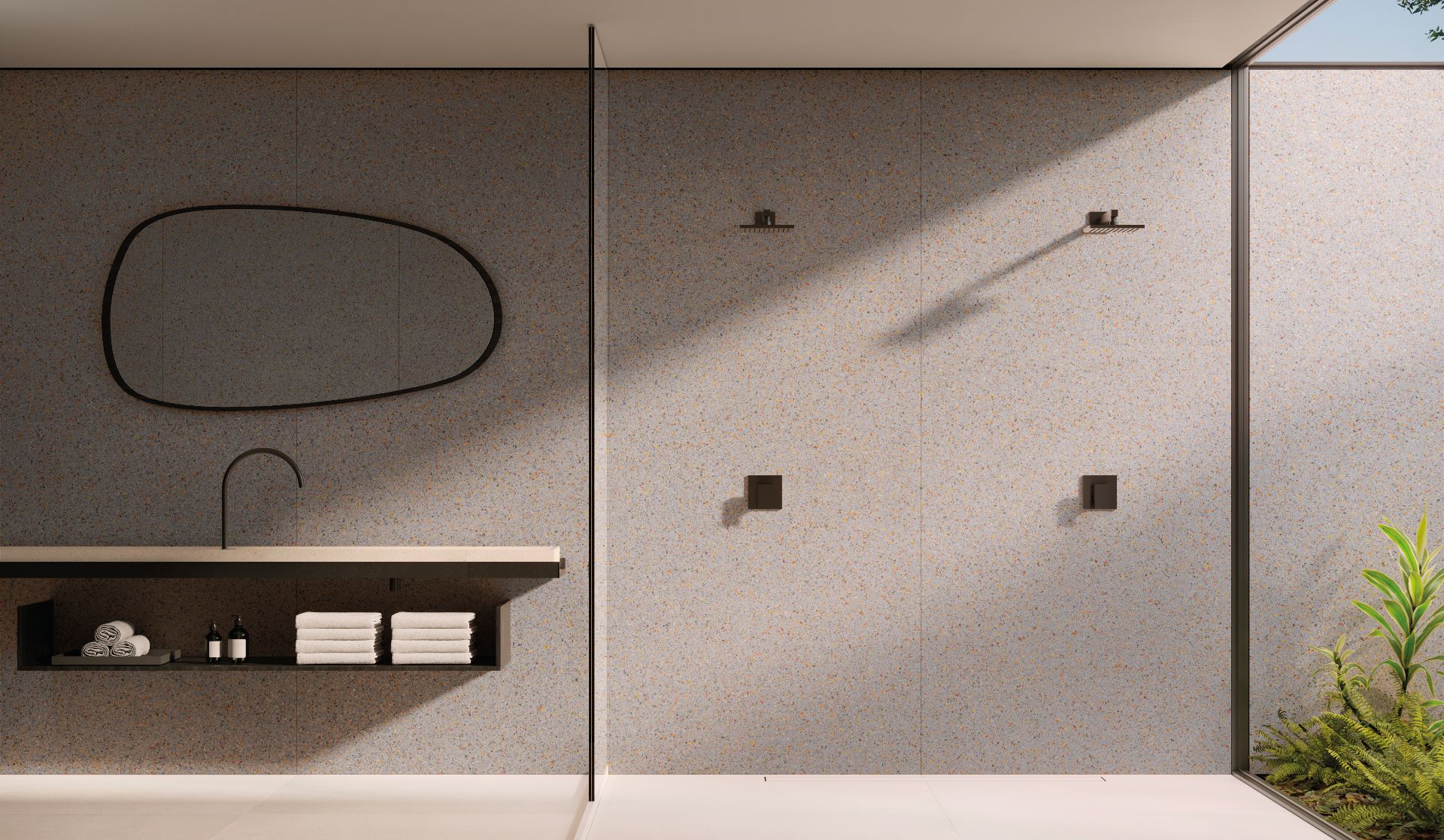
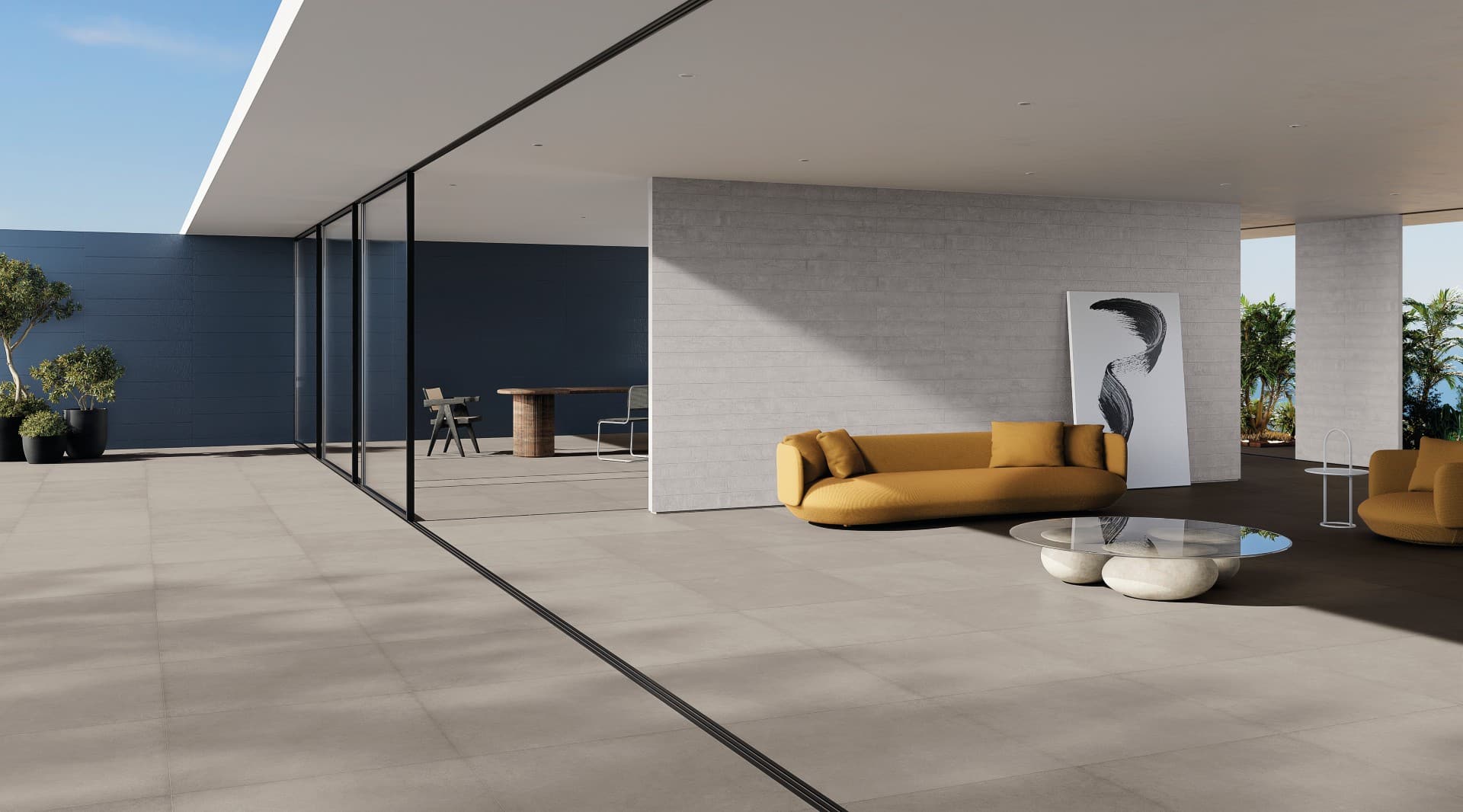
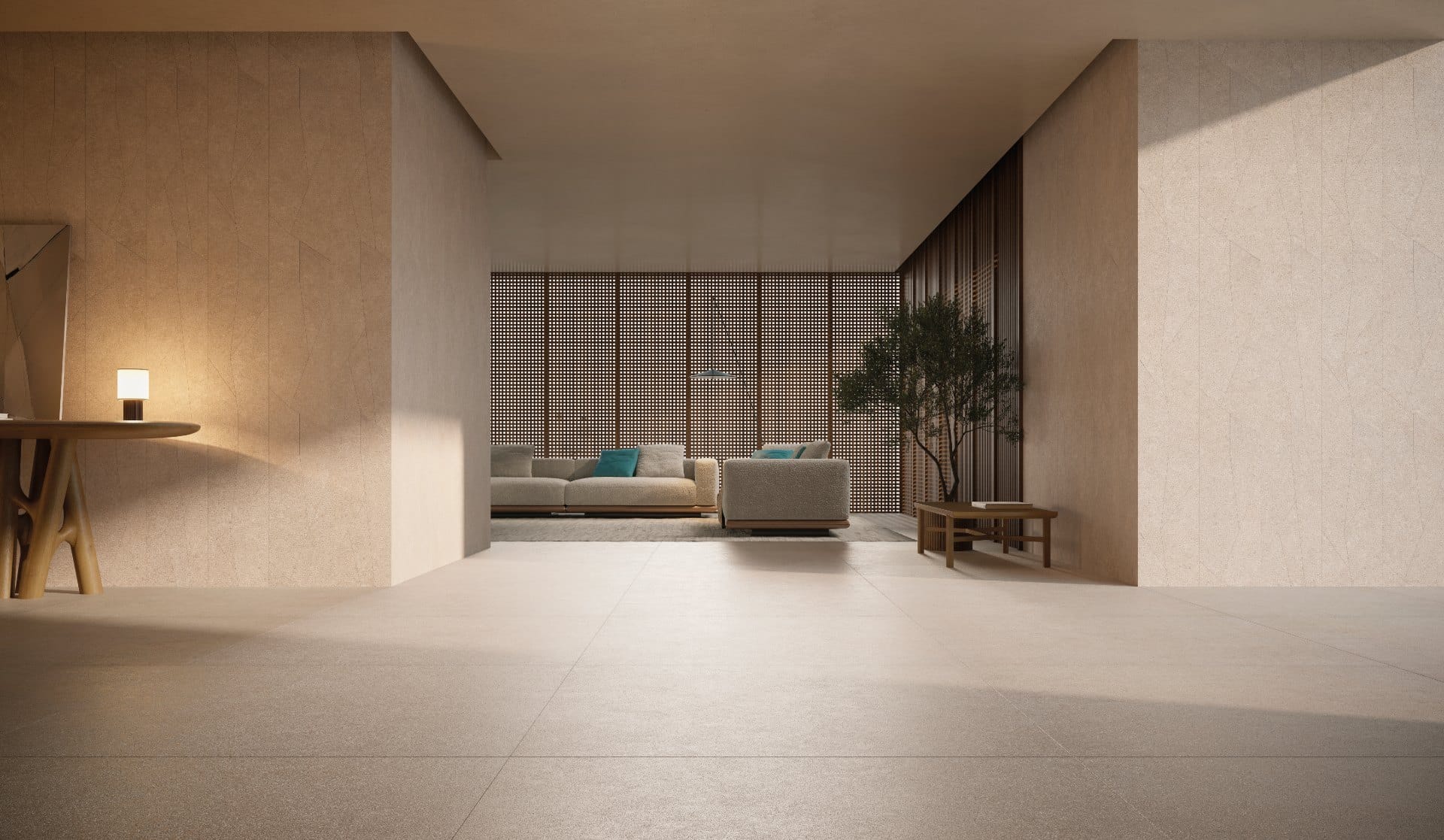
- Porcelain Tiles: These are durable, resistant to mold, and easy to maintain. Perfect for wet areas.
- Waterproof Paints: They provide an initial layer of defense but should complement other treatments.
- Wall Panels: These are stylish, lightweight, and can act as a barrier against moisture.
Summary
In short, the secret to moisture-free walls lies not just in the choice of finishes, but also in adopting habits that promote a healthy environment. Opting for specific paints, using tiles or ceramic finishes, and ensuring proper ventilation are crucial steps that can help prevent future issues.
In the end, remember that taking care of your home is taking care of yourself. If you have any lingering doubts or peculiar situations regarding humidity, drop me a comment! Who knows, I might just whip up some more helpful tips to make your home even cozier!
Conclusion
Managing humidity in walls requires a mix of vigilance, strategy, and the right materials. By understanding the sources of moisture, employing preventative measures, and selecting suitable finishes, you can protect your home while ensuring it remains a healthy haven. Don’t let those damp walls dampen your spirit—take action today!