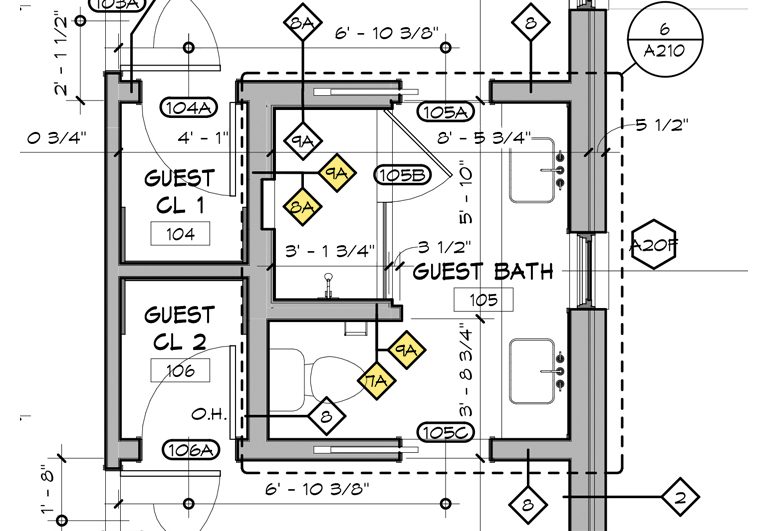


“`html
Did you know that the type of wall you choose can totally change the vibe of a space? Let’s dive into this fascinating subject!
What Are Architectural Walls?
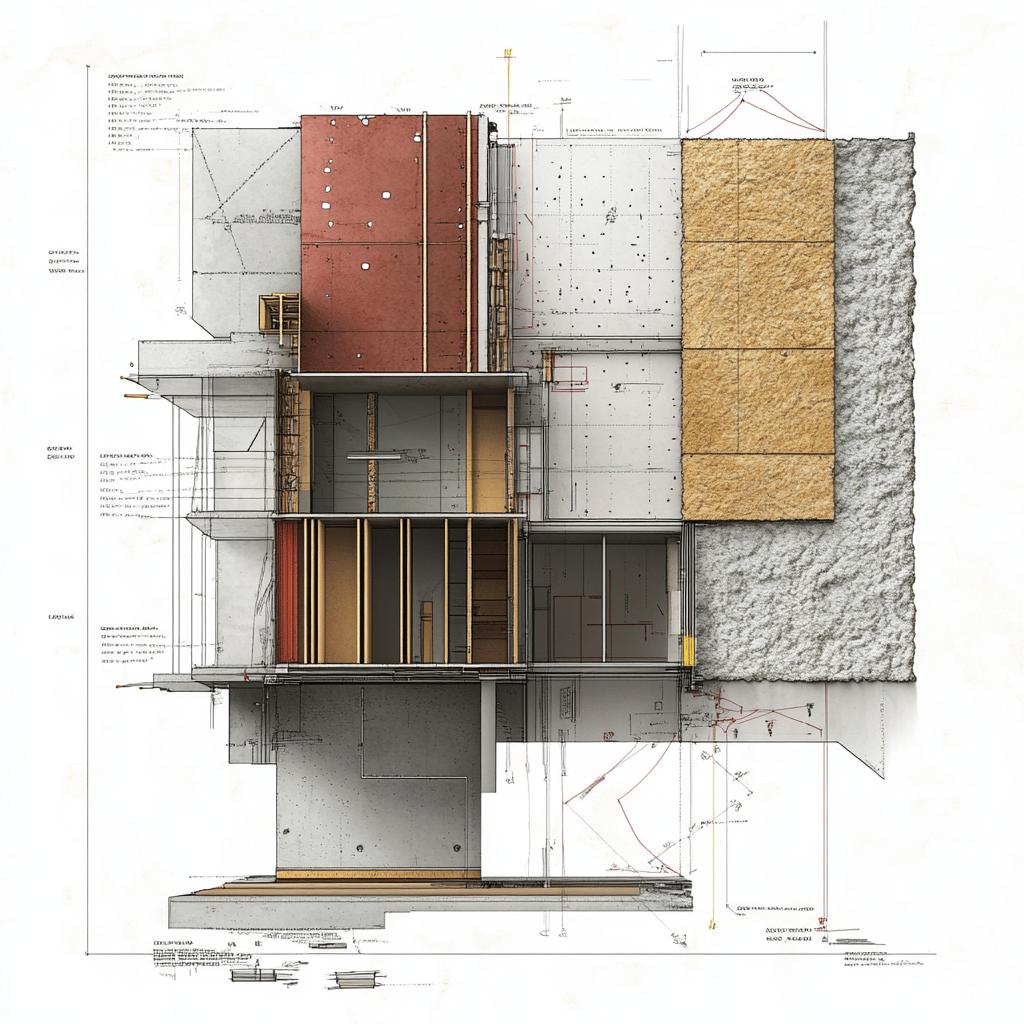
Architectural walls are those structures that outline and separate spaces within a building. They’re not just barriers; they’re vital components that shape the aesthetics and functionality of any environment. Understanding the different types can guide us in making informed choices while planning a project.
Types of Walls: Understanding the Options
There are various types of walls, and each serves distinct purposes. Generally, I like to classify them into three main categories: structural walls, partition walls, and enclosure walls. Knowing the difference can mean the difference between a cozy nest or a cold cave!
Structural Walls: Support and Stability
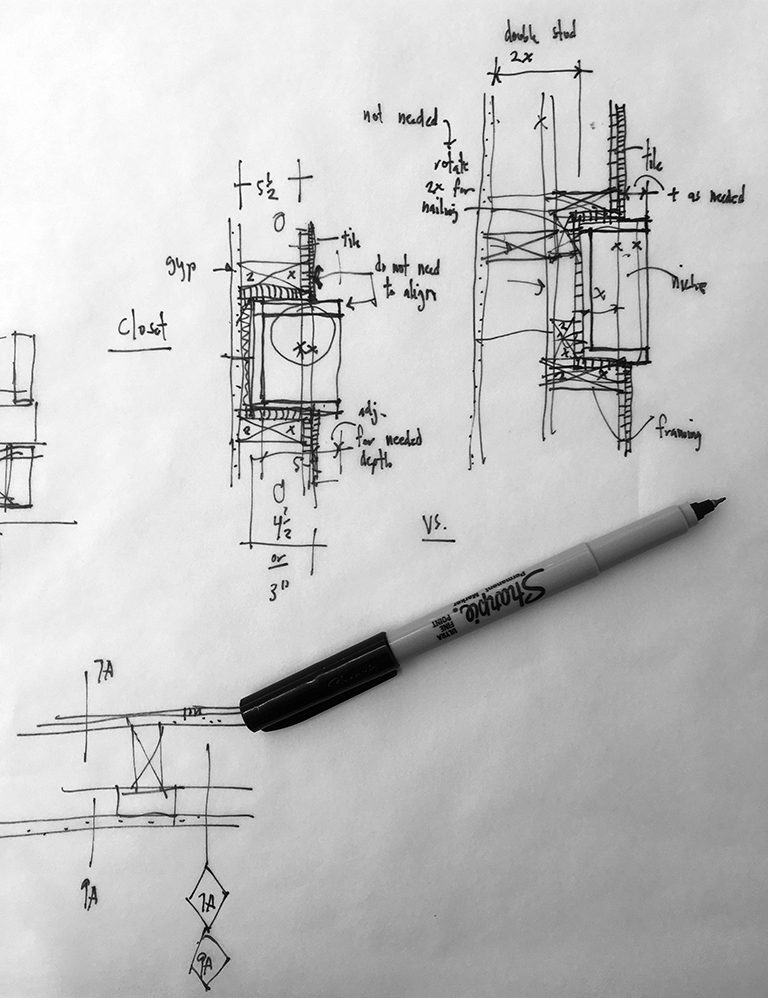
These bad boys are essential in any building as they carry the load of ceilings, floors, and other structures. They’re usually thicker and made from heavy-duty materials, like masonry or concrete. Without them, well, let’s just say I wouldn’t want to be around when gravity shows up!
Enclosure Walls: Isolation and Privacy
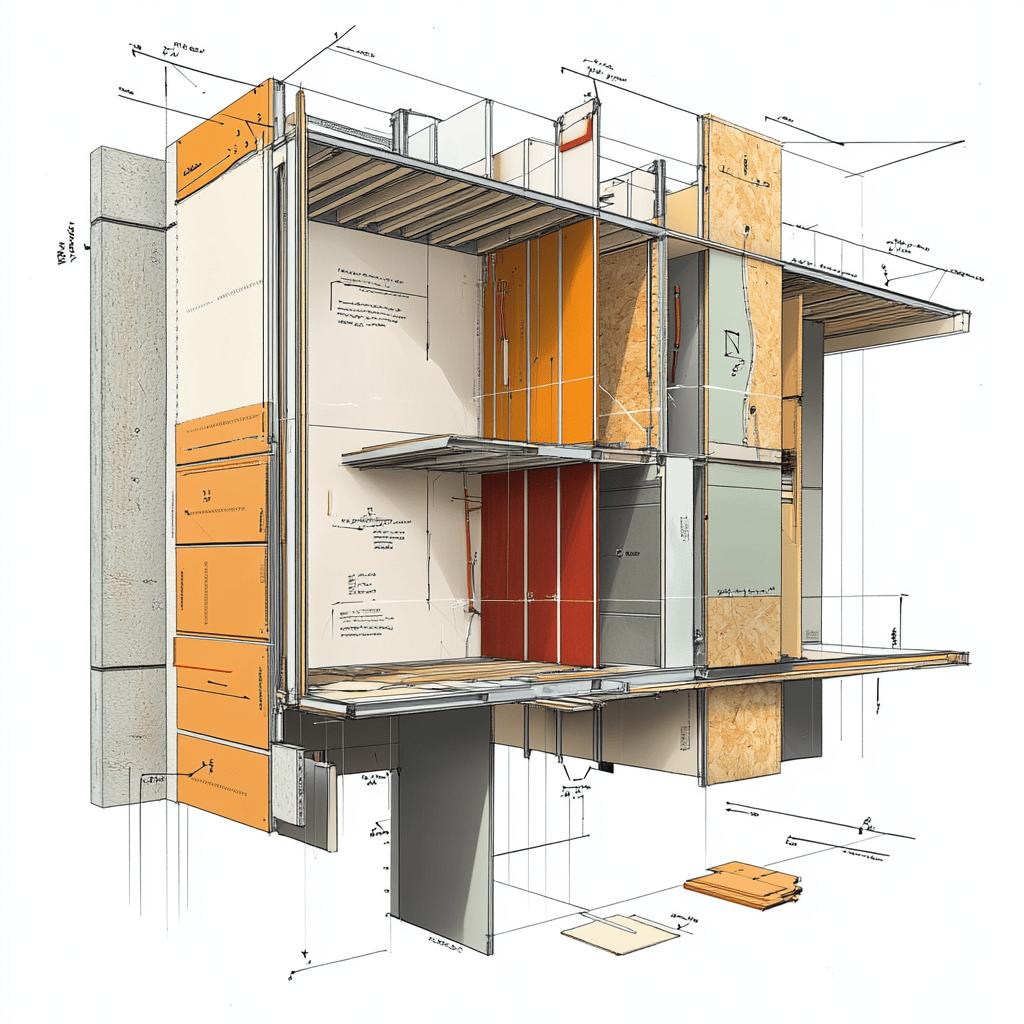
Enclosure walls primarily serve the purpose of isolating and protecting the internal environment. They can be constructed with materials that provide thermal and acoustic insulation, such as drywall or wood. This ensures comfort and privacy—perfect for when I want to wear my favorite pajamas and binge-watch my shows without judgment!
Partition Walls: Versatility and Flexibility
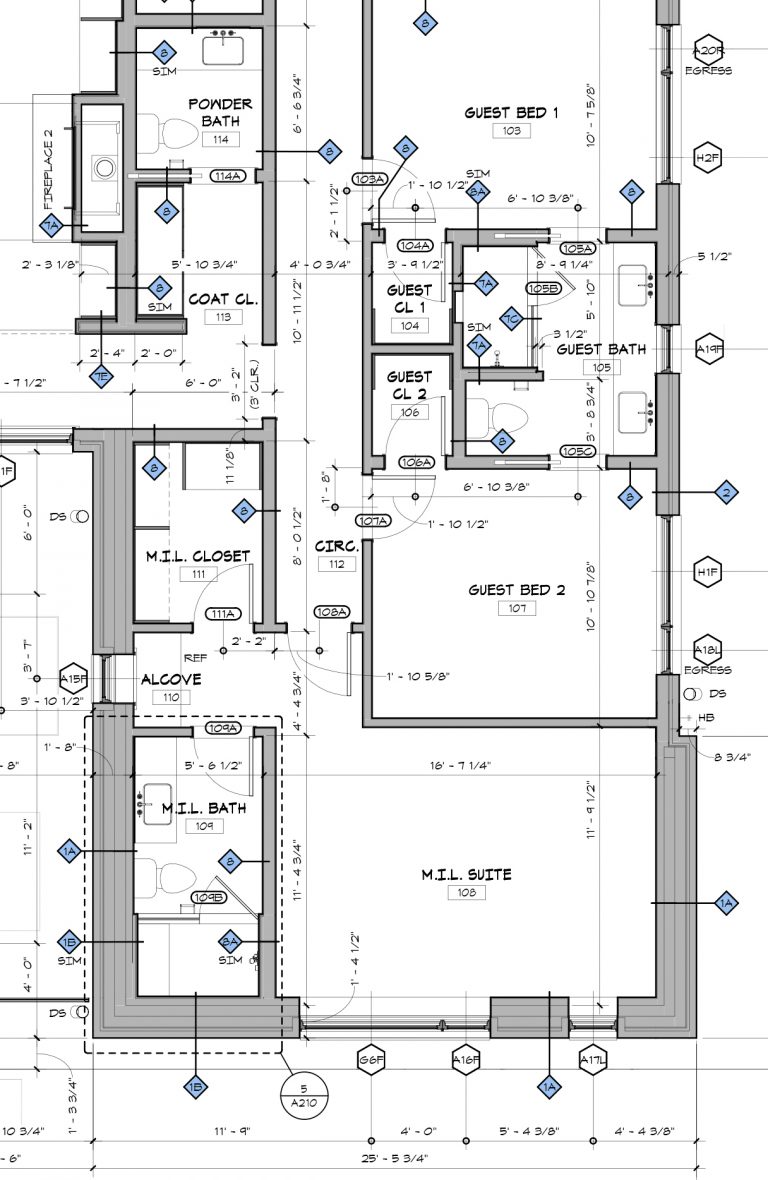
Partition walls are the chameleons of the building world. They divide internal spaces like offices or meeting rooms and can be easily modified or removed, allowing for layout flexibility. They’re a lifesaver in places where change is as frequent as my coffee breaks!
Material Palette: What to Use?
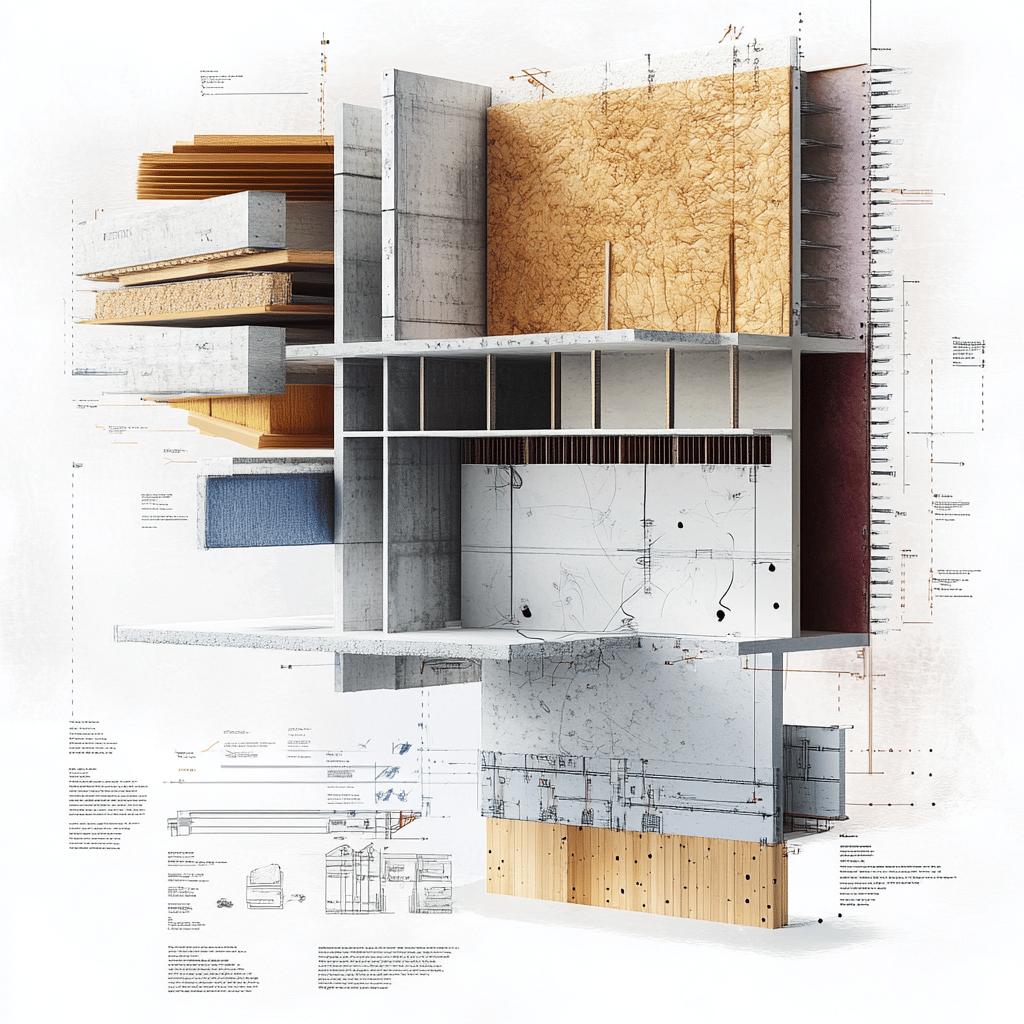
The choice of wall material is crucial. For instance, masonry walls offer durability, while drywall can be lighter and easier to install. Picking the right palette of materials can enhance energy efficiency and the overall aesthetic of the project—after all, no one wants their house looking like the set of a horror movie!
Comparative Analysis of Wall Types
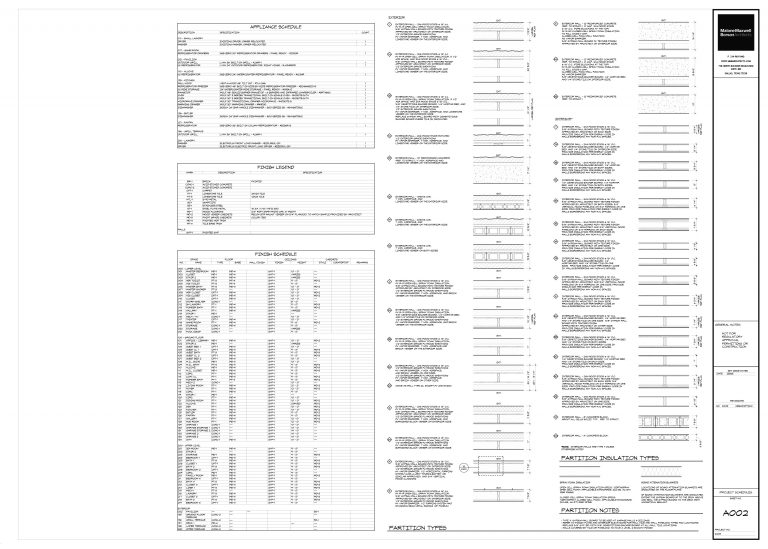
| Type of Wall | Function | Common Materials | Examples of Application |
|---|---|---|---|
| Structural Walls | Supports the construction | Concrete, Masonry | Buildings, Bridges |
| Enclosure Walls | Isolation and privacy | Drywall, Wood | Homes, Offices |
| Partition Walls | Divides spaces | Drywall, Lightweight Structure | Offices, Commercial Spaces |
Challenges in Choosing Walls
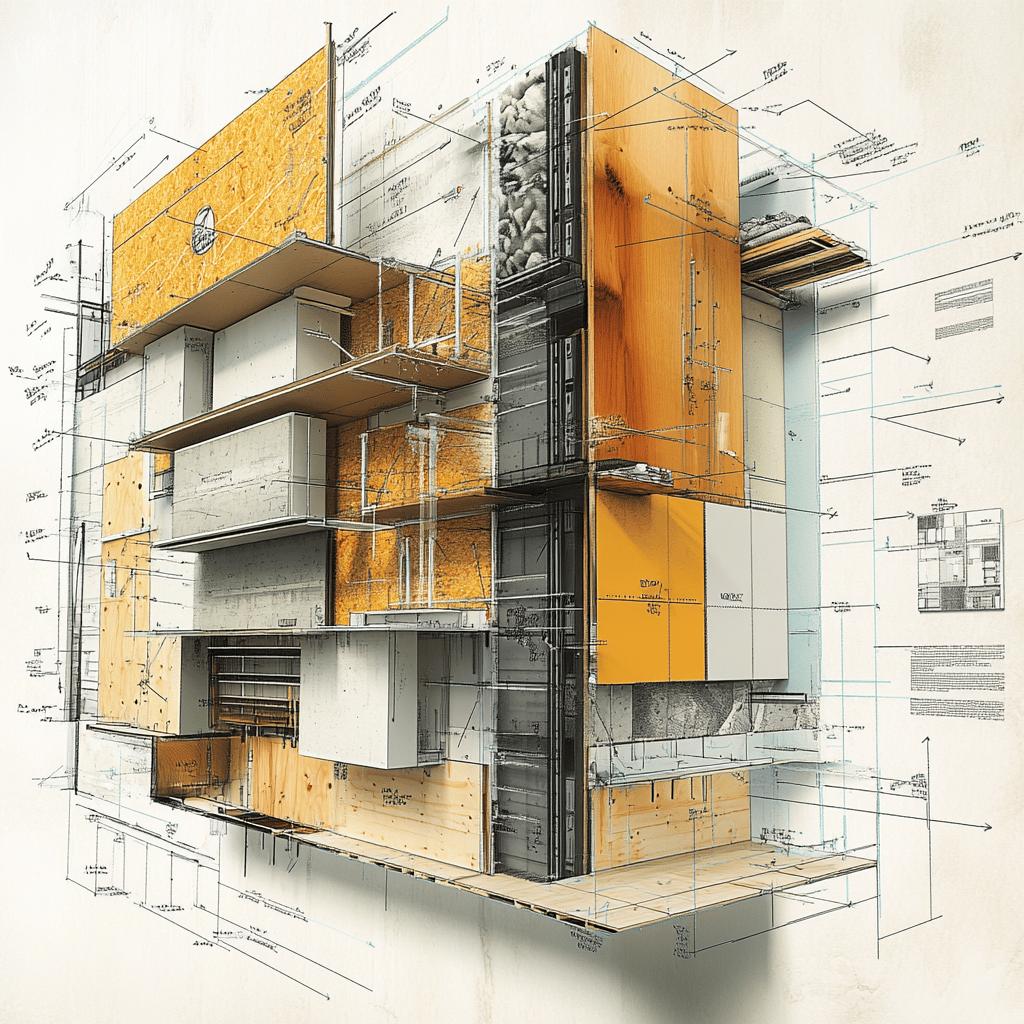
One of the biggest challenges in selecting the type of wall is the analysis of specific needs of the space. Often, architects and designers find themselves confronted with constraints that require a shift from the initial solutions they envisioned. It’s like going to a buffet and realizing they ran out of your favorite dish!
Impact on Decoration and Style
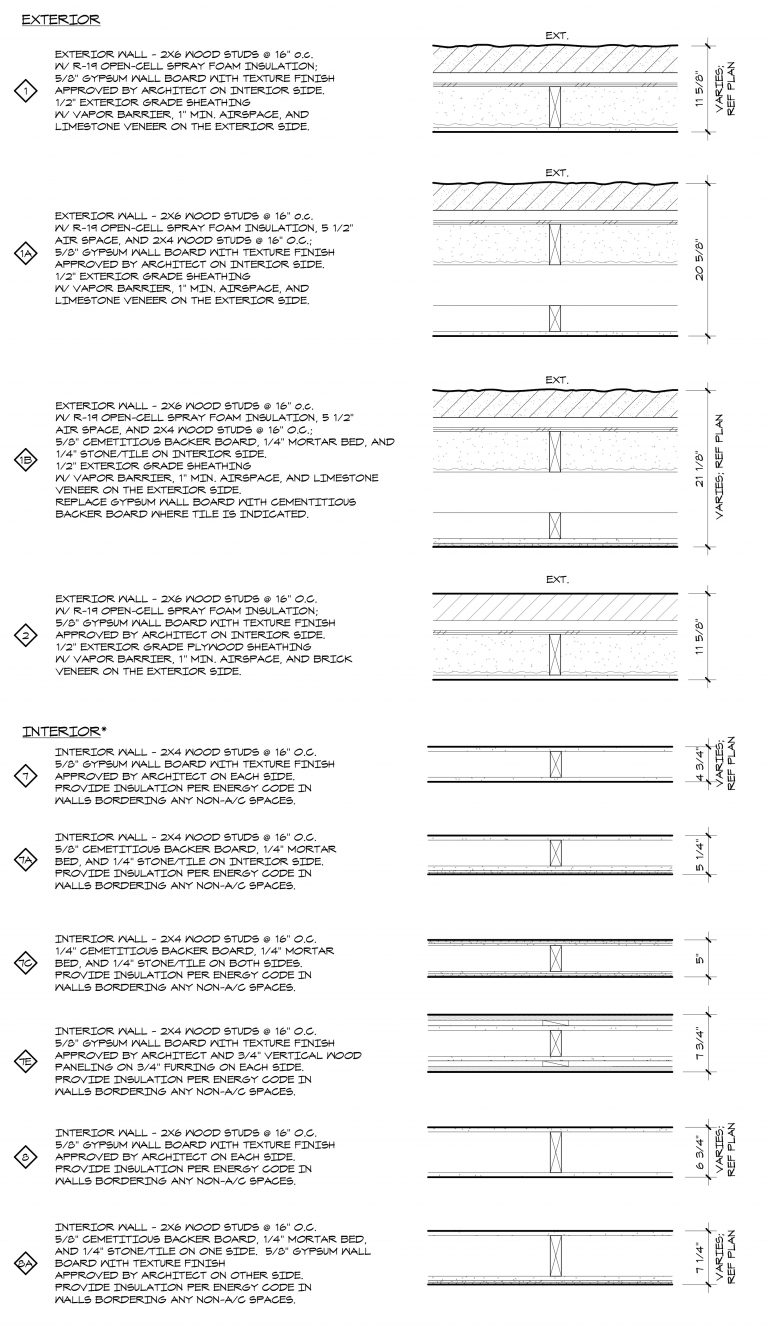
Architecture and interior design walk hand-in-hand. The type of wall chosen impacts not just the structure but also the decorative style. For example, textured walls can give a rustic vibe while smooth surfaces scream modern. It’s like choosing between a charming old book and a sleek e-reader; both tell stories, just in different ways!
Final Thoughts on Architectural Walls
Understanding the options for architectural walls is essential for any project. It not only facilitates the implementation of effective solutions but also helps in creating more harmonious and functional spaces. And let me tell you, contemplating your next wall choice is like pondering what toppings to add on your pizza—super important and highly personal!
So when planning your construction or renovation, remember to ask yourself! How can each wall type influence your space? What’s best for your specific needs? These musings could make all the difference in your final decision.
“`