


“`html
In the vibrant world of architecture, the creative process in a studio is like a thrilling roller coaster ride—full of twists, turns, and those heart-pounding moments that shape future architects. Let’s dive into this fascinating journey!
Introduction

Stepping into an architecture studio is like stepping into a new universe, isn’t it? It’s a melting pot of ideas, creativity, and challenges, where each corner of the room seems to whisper inspiration. Let’s explore how the studio transforms aspiring architects through collaboration, hard work, and the ever-evolving dance of design.
The Beginning: Immersion in the Architecture Studio
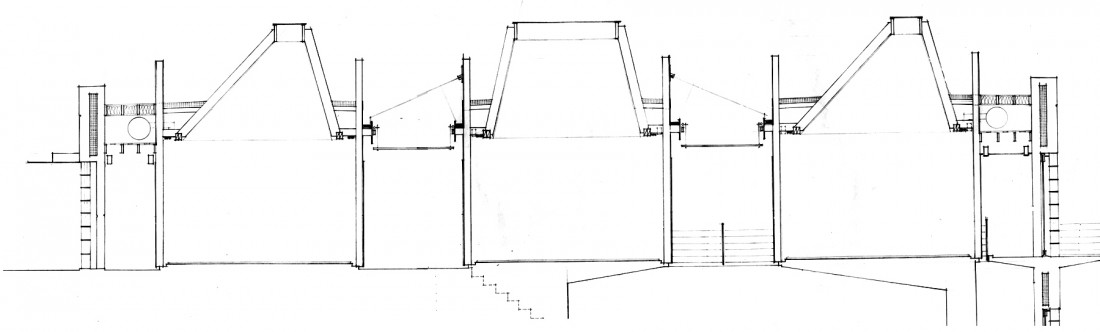
You know that feeling when you first step into the studio, right? The buzz of energy is contagious! Here, the atmosphere is vibrant and collaborative, crucial for our learning journey. I found myself diving into challenging projects where creativity and technique waltz together, leaving us breathless with possibility.
Unlike traditional classrooms, this space offers us hands-on experiences. We tackle real-world problems, exchanging ideas during lively discussions, critiques, and revisions. It’s this dynamic learning that enriches our professional formation.
Collaboration and Competition: A Balancing Act

In the studio, we play a game of collaboration and friendly competition. Teaming up with peers strengthens our learning, but there’s that healthy competition that keeps our passion ignited. Sometimes, it feels like we’re all in a high-stakes cooking show, trying to impress the judges with our unique recipes!
However, this duality can become a double-edged sword. While some thrive in this exciting chaos, others might feel the pressure mounting. Mastering the art of time and expectation management is key to navigating this landscape without losing our minds.
The Late Nights: The Challenges of Time Management

Ah, the infamous “all-nighter”. Many of us have faced those long nights, driven by the pursuit of perfection in our projects. But let’s be honest—these late nights can be as counterproductive as trying to make a soufflé in a colander! Managing our time effectively is what really matters.
The studio shouldn’t feel like a never-ending marathon. It’s vital we learn to plan ahead, set deadlines, and maintain consistent work. These skills are invaluable not just for school, but for our future careers too.
The Impact of Last-Minute Changes

Last-minute changes can lead to what we lovingly call “negative work“, which is basically effort that doesn’t help wrap up our project. It’s like trying to fix your outfit just as you’re about to walk out the door—sometimes, less is more, right?
Learning to make effective decisions and avoid unnecessary modifications is critical. When it comes time to present our work, preparation is everything. Critics value not just the concept but also our ability to showcase our creations with confidence and clarity.
Revisions and Feedback: Valuable Lessons

The review sessions, or jury reviews, become treasure troves of learning. Many of us see these as a chance to flaunt our genius, but the real gold lies in the practice of engaging in a dialogue under pressure. It’s like preparing for a blind date—you gotta be ready to charm and communicate effectively!
Describing and justifying our design choices is an essential skill that can spark and grow within this context. It’s not enough to have a brilliant idea; we must convey our intentions with clarity and conviction.
The Importance of the Portfolio
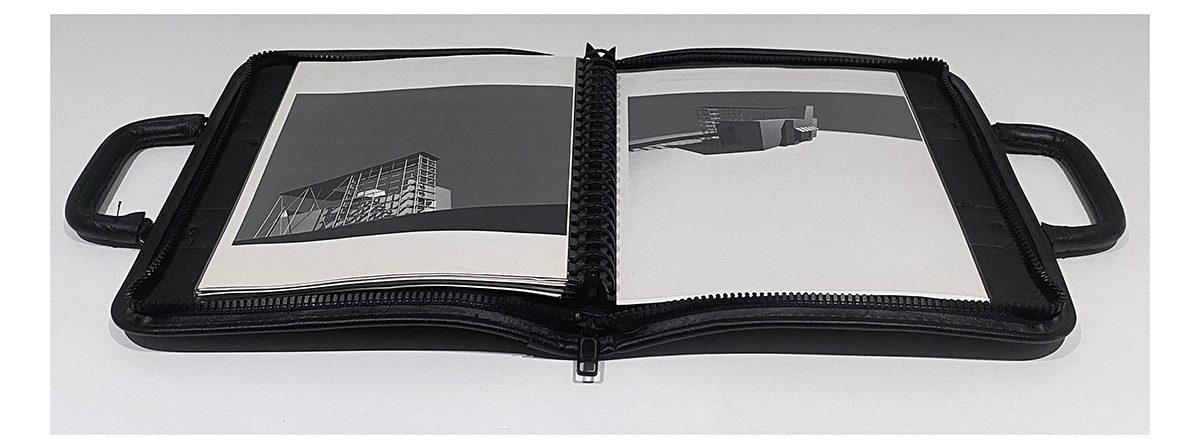
Your portfolio is like a calling card for architects—an essential reflection of who we are. At the beginning of our careers, it’s our golden ticket, but it needs regular upgrading, just like that phone we always carry! What may have dazzled in school can raise eyebrows years later.
We must grasp the significance of a diverse, well-structured portfolio. A curated collection of our work showcases our ability to adapt and thrive in professional practice.
The Hard Work Shows

One of the most valuable lessons I took from this academic voyage is that hard work doesn’t go unnoticed. It’s less about looking busy and more about diving deep into projects and genuine learning. When we pour our hearts into what we do, the fruits will come, and, trust me, they taste sweet!
Those of us who dedicate ourselves and use our time wisely will truly shine. In the end, it’s during these moments that our work ethic reveals who’s truly ready to tackle the challenges that await us in the marketplace.
The Big Idea: The Project’s Central Concept
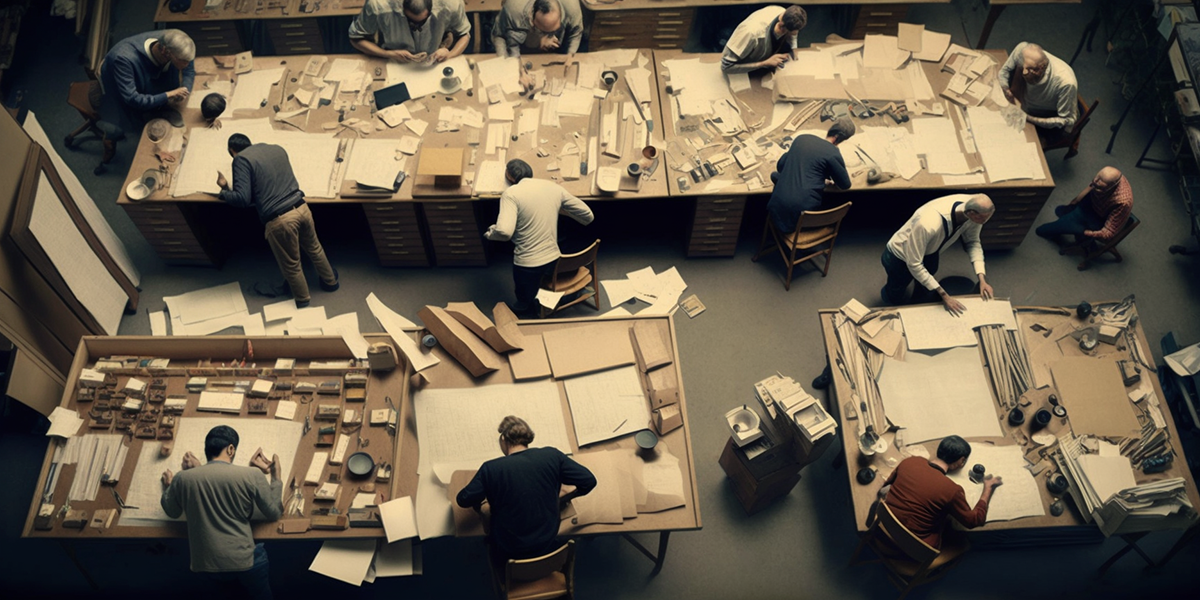
Every architectural project must anchor around a clear central idea, guiding every decision made along the way. Recognizing that essence is crucial; otherwise, the project can drift into confusion like a boat without a compass.
This central idea, or “the big idea“, should always be at the forefront, preventing unnecessary choices and steering us smoothly through the project’s development.
The Art of Selling Your Idea
When we talk about “selling” our idea, think of it as a pitch to a client—presentation is key! Justifying every creative decision is a skill worth honing even while we’re still in school.
We must practice standing up for ourselves and presenting our ideas with clarity. This ability becomes even more critical when we start working with real clients, where effective communication often weighs heavier than the idea itself!
| Stage | Description |
|---|---|
| Beginning | Diving deep into real, dynamic projects within the studio. |
| Collaboration | The interplay of collaboration and competition shapes our learning. |
| All-Nighters | Time management challenges and the significance of planning. |
| Last-Minute Changes | Avoiding “negative work” and being prepared. |
| Jury Reviews | Learning through practice in presentation and dialogue. |
| Portfolio | Importance of an up-to-date and representative portfolio. |
| Hard Work | Recognition of genuine effort. |
| The Big Idea | Identifying the central idea of the project. |
| Selling the Idea | Practicing the justification of creative decisions. |
Each step in the creative process within an architecture studio brings its own challenges and opportunities. If we face them with courage and determination, we can shape a path toward becoming successful architects. The lessons learned in the studio resonate throughout our careers, influencing not just our work, but also how we view ourselves in the marketplace.
“`