


Calculating the square meter and the exact amount of porcelain tile needed for your project might seem complicated, but it doesn’t have to be! In this practical guide, I’ll walk you through step by step how to avoid waste and optimize your costs. So, let’s dive in!
Introduction: Why Knowing Your Measurements Matters
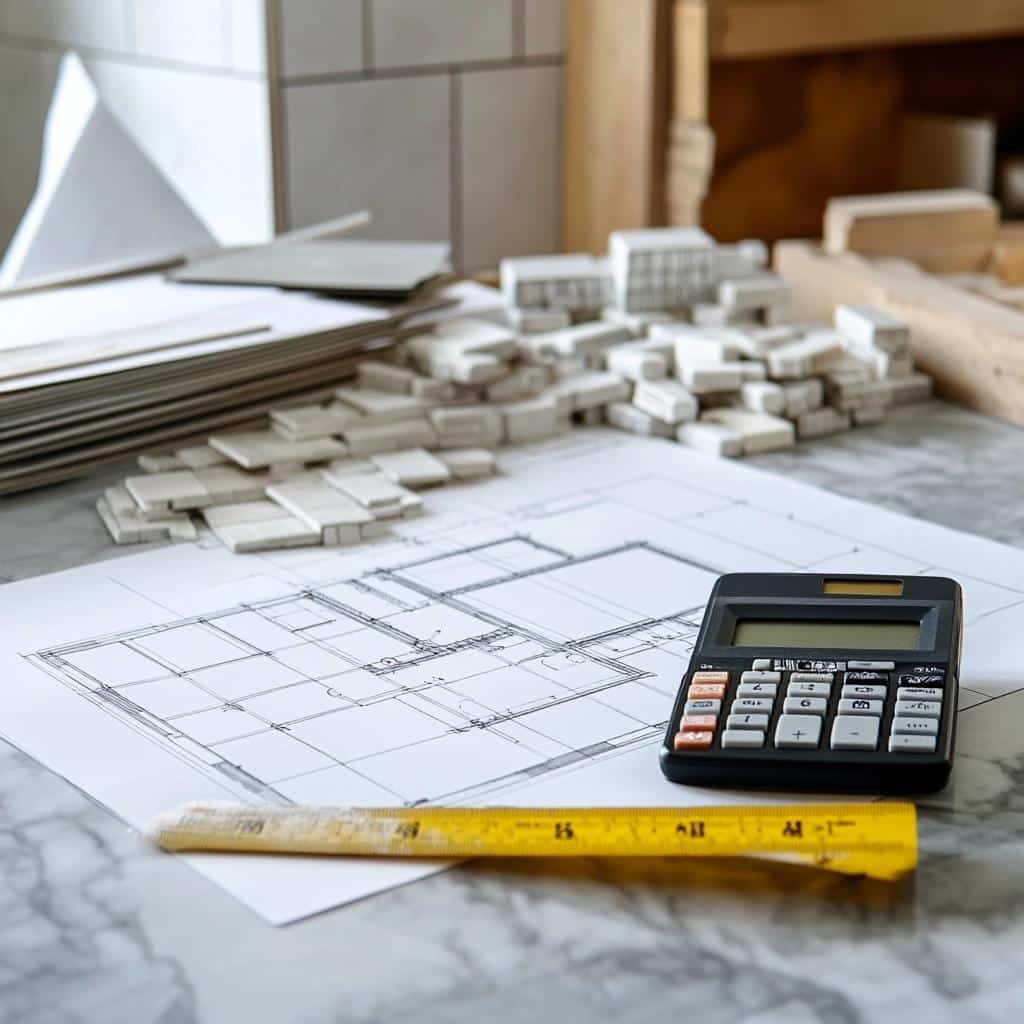
When you’re looking to give your home a facelift with some sleek porcelain tiles, it’s crucial to know how to calculate the exact amount you’ll need. I mean, who wants leftovers piling up? Not to mention, every extra piece adds up in costs, and while your house is a construction zone, your wallet might take a hit! Don’t sweat it! With these tips and steps, I’ll make your calculations a breeze and ensure you buy only what you need.
What Exactly is a Square Meter, and How Do I Calculate It?

Let’s kick things off by understanding what a square meter is. Simply put, it’s a unit of area measurement. To find out how much space you’re dealing with, all you need to do is multiply the width by the length. For example, if your living room is 4 meters wide and 5 meters long, just do the math: 4 x 5 = 20 square meters. Easy peasy, right?
This foundational knowledge is essential because it sets the stage for figuring out how much porcelain tile you’ll require.
How to Calculate the Amount of Porcelain Tile Needed
Now that you’re feeling like a math whiz, let’s tackle the porcelain tile calculation. Start with the total area of your space (which you’ve already figured out, yay!) and check the dimensions of your tiles. The standard tile usually measures around 1 square meter, but sizes can vary.
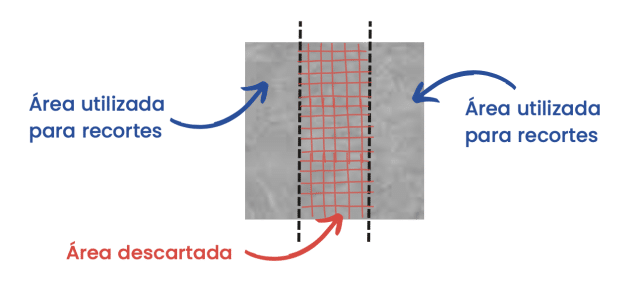
Here’s a handy tip: Always add 10% extra to your total for any waste or cuts during installation. Trust me, you do not want to be making a last-minute dash to the store because you miscalculated—talk about a headache!
A Real-Life Example: Let’s Get Practical
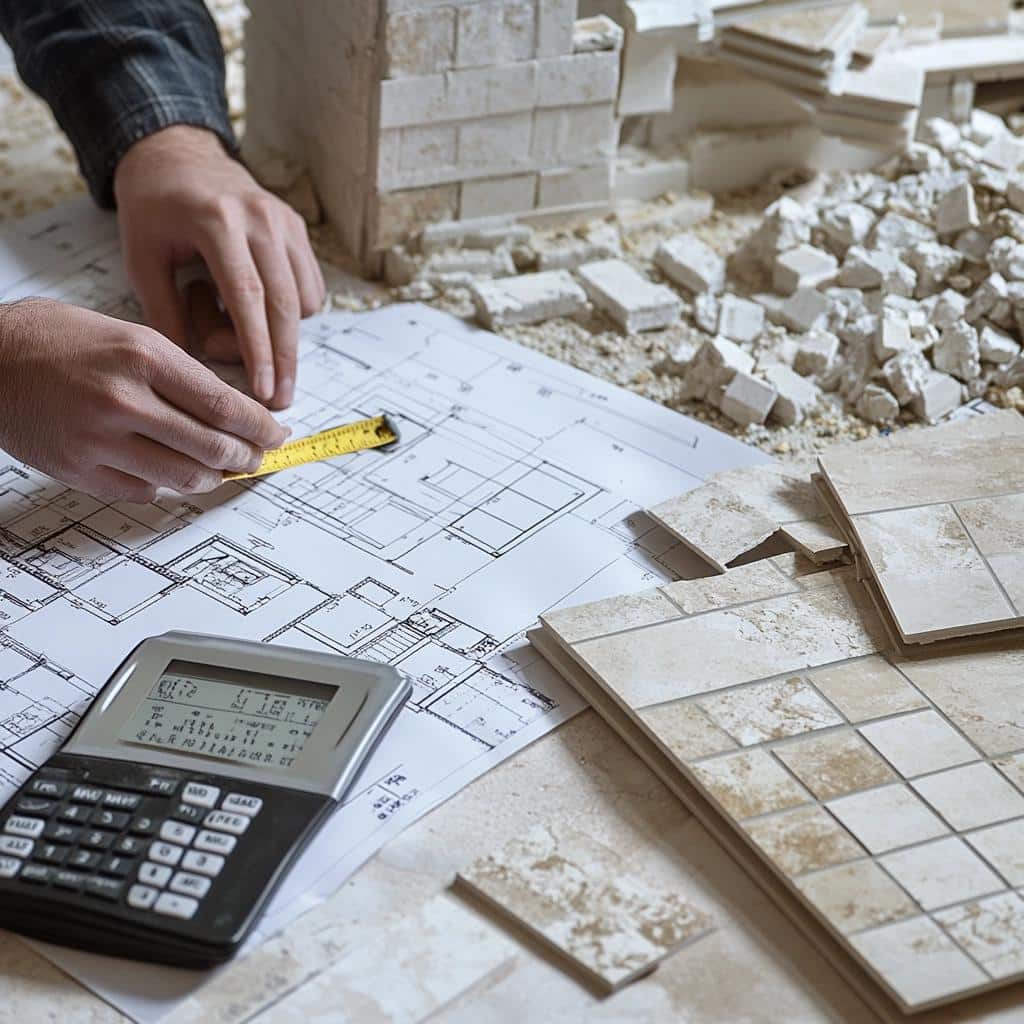
Let’s say you’re sprucing up your living room, and the total area is 30 square meters. If each tile covers 1 square meter, then technically, you’d need 30 tiles, right? Wrong! Let’s not forget the **10%** cushion for safety.
- Total area: 30 m²
- Calculated number of tiles: 30 m² + 10% = 33 tiles
And voilà! You now know how many tiles you’ll need.
Final Tips to Avoid Wasting Materials
Before you dash off to make your purchase, here are some final tips to ensure you don’t waste materials:
- Plan the layout of the tiles before installation begins;
- Consider sketching a rough draft to visualize the space;
- Buy a bit more than you think you need to avoid running out;
- Check with your vendor about the standard waste percentages for tiles.
Follow these nuggets of wisdom and you’ll finish your project with a little extra cash left in your pocket!
Quick Summary of Key Concepts
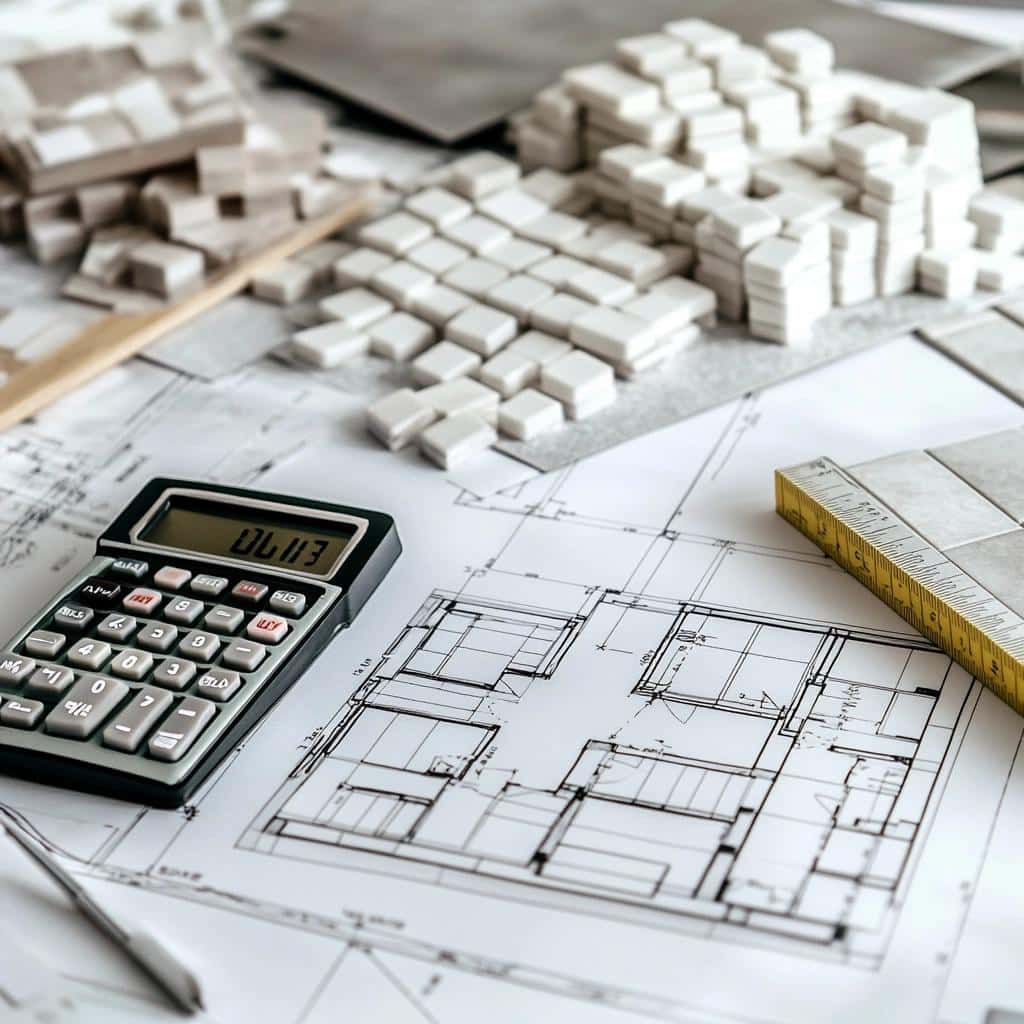
Remember, calculating the square meter and the required amount of porcelain tile is pretty straightforward. Focus on measuring your space accurately, always tack on a little extra, and make sure you have a solid plan for your purchase. This way, you’ll dodge unnecessary headaches during your remodel!
Frequently Asked Questions (FAQ)
- How much porcelain tile do I need for a 50 m² space? For a space of 50 m², buy 55 tiles factoring in the extra 10% for waste.
- Can I mix different styles of porcelain tile in various rooms? Absolutely! Just make sure the colors and textures harmonize to maintain a cohesive vibe.
Got questions? I’m here to help you, so don’t hesitate to reach out! Let’s make your renovation dreams a reality!
Understanding Tile Measurements and Conversions
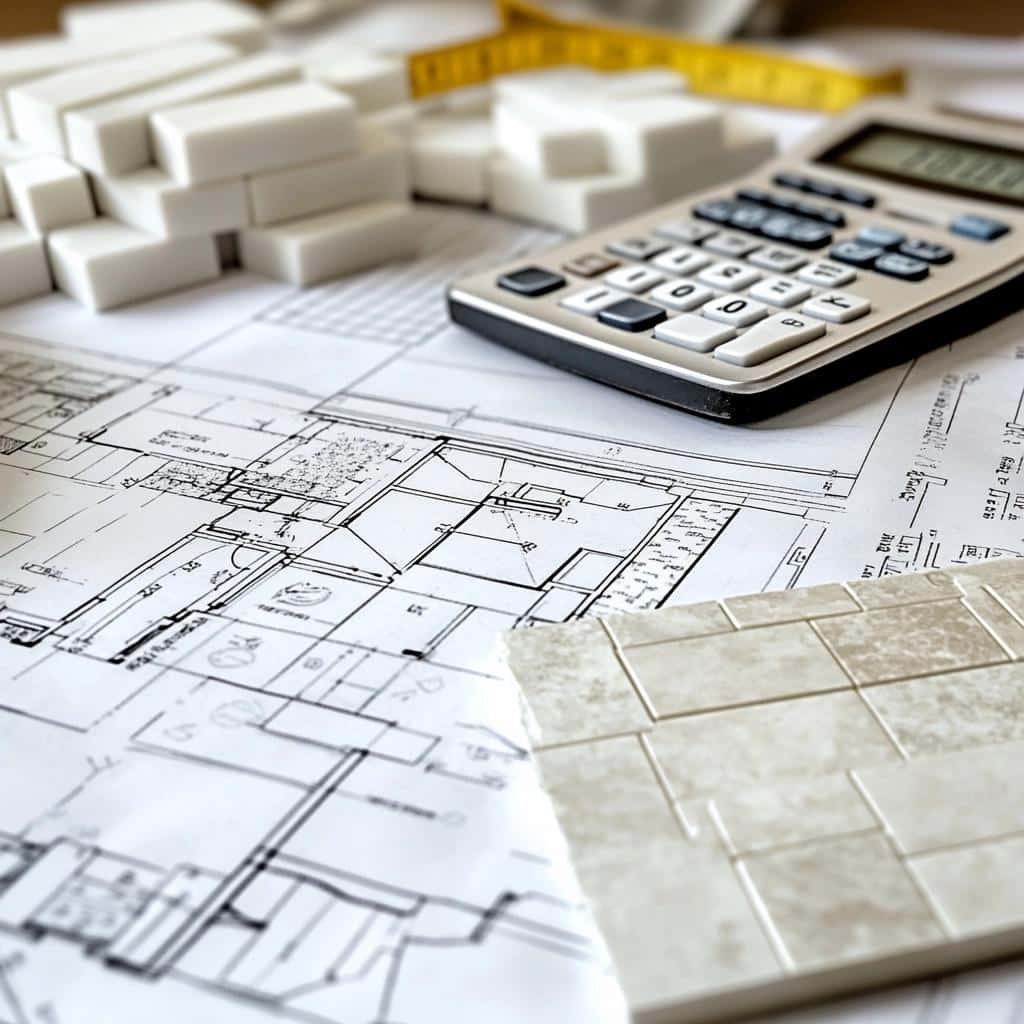
It’s essential to grasp how tile measurements translate to your space. Remember, not all tiles are the same size. While most commercial tiles are 60×60 cm, if you’re working with larger tiles, say 120×120 cm, the math changes. As the space expands, so does the complexity of calculating how many you need!
How to Approach Complex Room Shapes
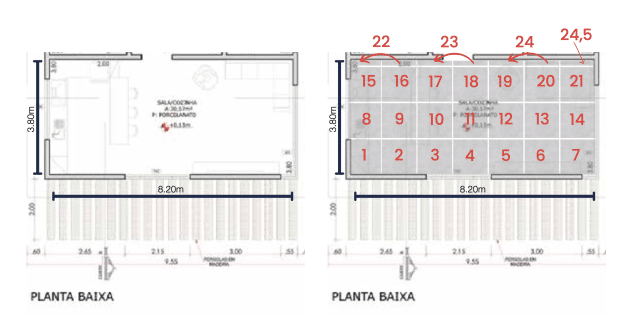
If your room is an odd shape—perhaps it’s got a nook here or a cranny there—you’ll need to break down the layout into manageable rectangles or squares. Calculate the area of each segment separately and then sum it all up. You’d be surprised how those tricky angles can add unexpected square footage!
Considering Inclusive Spaces and Features
It’s not just about floors; think about walls too! When calculating for walls, include the height as well, and remember to exclude windows and doors. You’d be amazed how quickly those numbers can stack up! Keep a keen eye on features like built-in shelves or backlit panels. They can throw off your measurements.
Using Tools and Technology for Precision
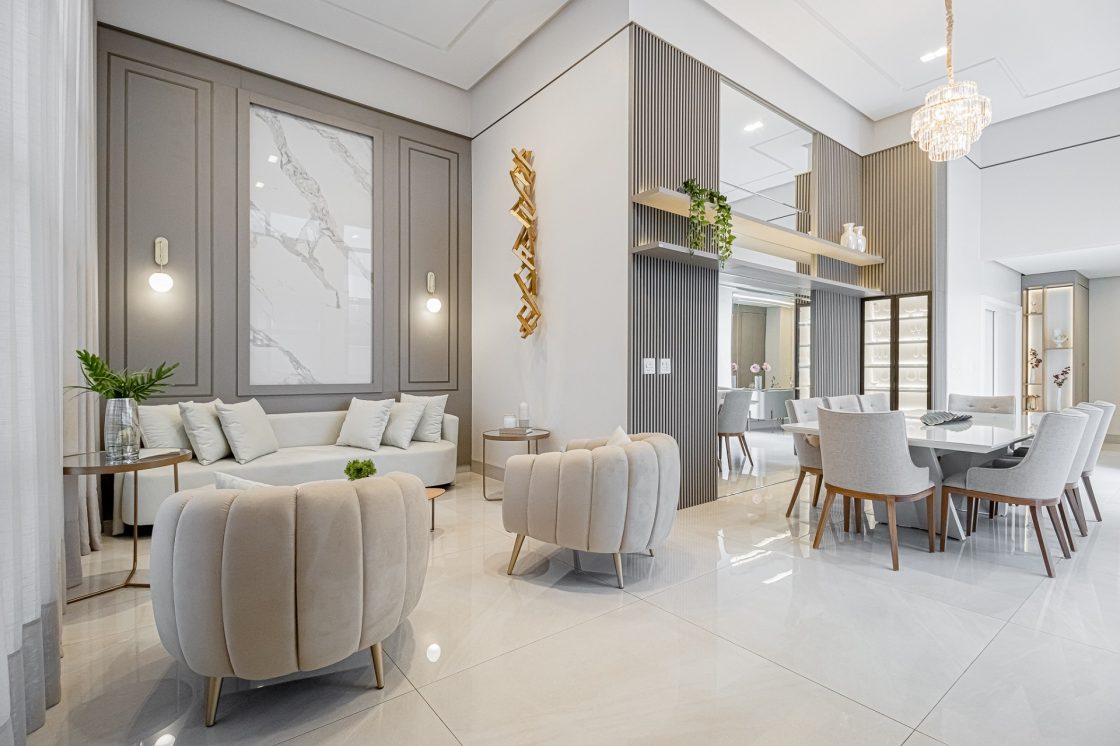
In today’s tech-savvy world, there are plenty of tools at your disposal to make these calculations smoother. Apps and online calculators can help you streamline the process. However, always cross-reference with old-school pencil and paper to catch any possible errors!
Avoiding Costly Mistakes: The Importance of Double-Checking
You know the old saying, “measure twice, cut once”? It rings true here! Always double-check your calculations; an extra tile now can save you a fortune later. Plus, having some extras means you can make adjustments without needing to rush back to the store.
Conclusion: Emphasizing Preparation Over Panic
Calculating the square meter and the amount of porcelain tile isn’t just about numbers—it’s about practicality and planning. With clear measurements, a bit of extra planning, and following these tips, you can transform your space without blowing your budget. If anything feels off or confusing, just reach out and we’ll sort it out together!