

“`html
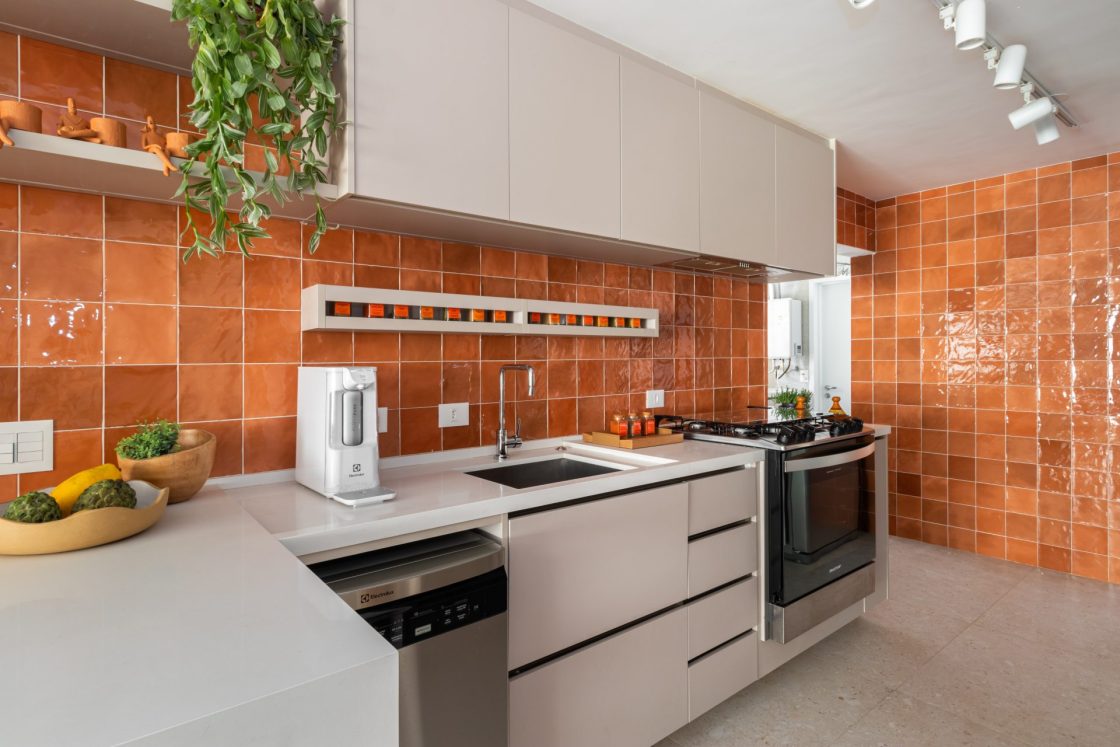
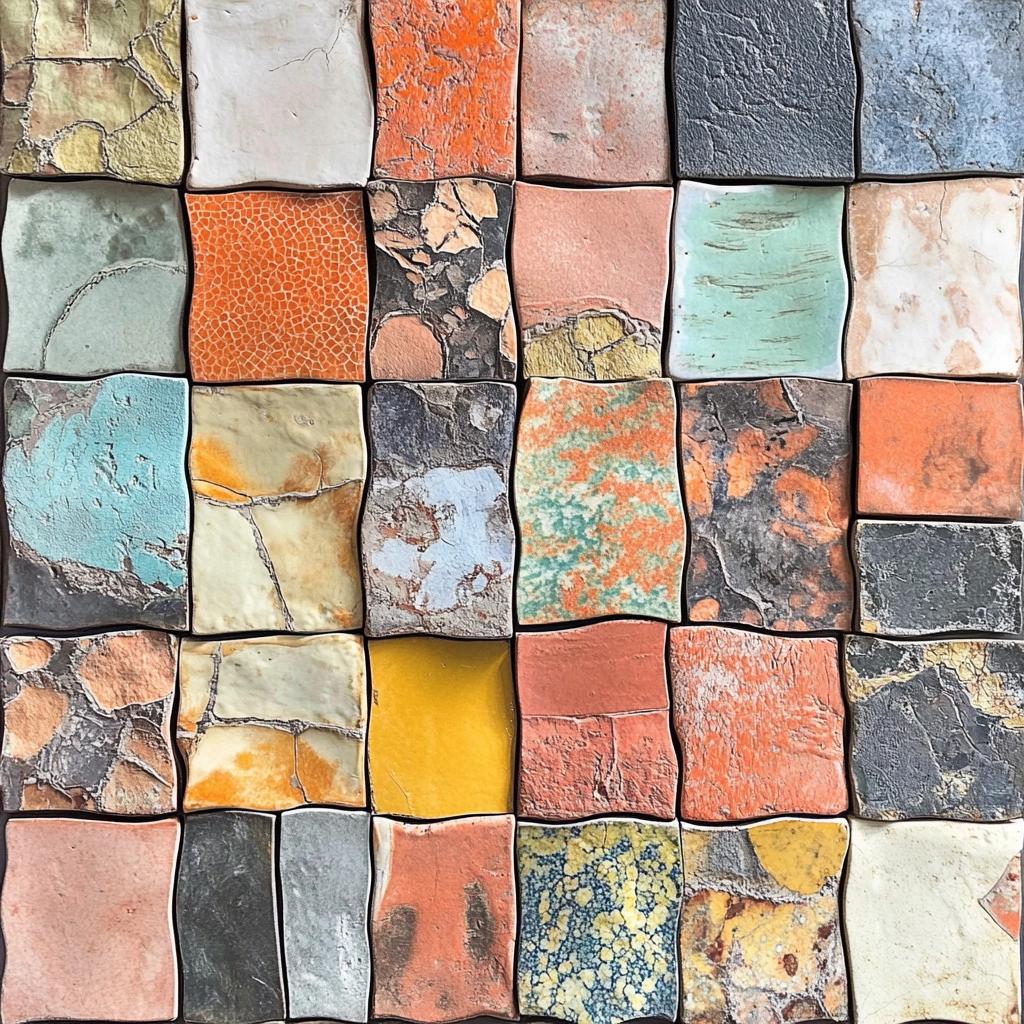
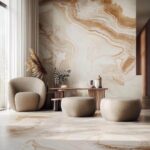
Destonalization is a design technique that mixes intentional variations of colors and patterns in ceramic coverings, resulting in unique surfaces that reflect the natural characteristics of materials.
Key Takeaways
- Understanding Destonalization: It’s a purposeful variation of hues and textures in ceramic materials, enhancing aesthetic appeal.
- Production Insights: The quality of the raw materials directly affects the variability and overall look of the final product.
- Variety Matters: Knowing how to choose among different levels of tonal variation can make or break your design vision.
- Examples to Explore: Porcelain lines such as Gouache and Salt Lake are perfect examples of artistic destonalization.
- Practical Applications: These versatile coverings find their place in various settings, from cozy homes to vibrant commercial spaces.
Introduction to Destonalization
When diving into the fascinating world of ceramic coverings, the term destonalization might pop up like a surprise party. This technique is all about creating a playful variety of colors and textures that, rather than being seen as flaws, actually enhance the uniqueness of the surfaces. Think of it like a painter’s canvas, where every stroke is intentional yet has its quirks.
1. The Concept of Destonalization
So, what is this magical ‘destonalization’? In simple terms, it’s an artistic twist in ceramic design, where intentional variations in hue and texture are cultivated to produce captivating aesthetics. Instead of uniform, sterile surfaces, you get a lively mix that whispers stories of nature, art, and creativity, all in one glance. It’s like ordering a fancy dish, but you still get that delightful chef’s surprise!
2. The Production Process of Ceramic Coverings
2.1 How Raw Materials Impact Destonalization
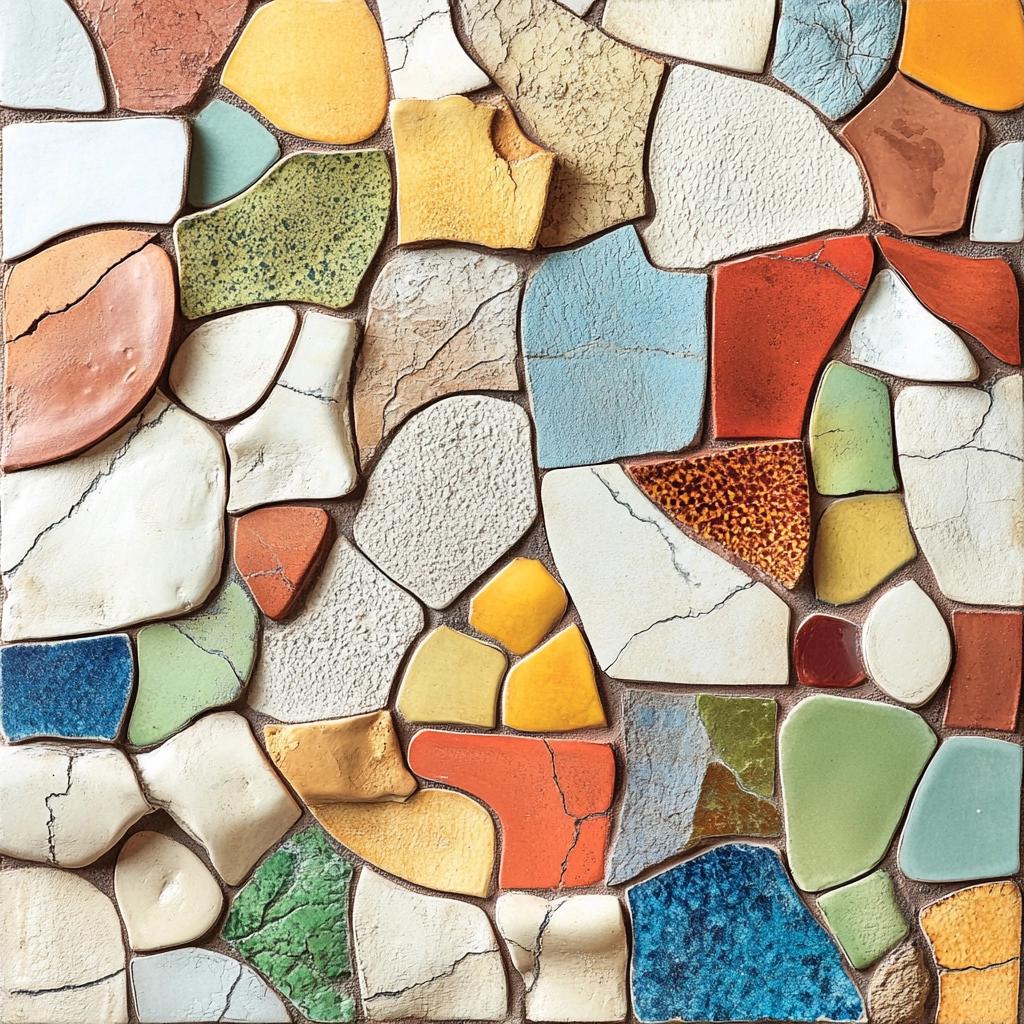
When it comes down to it, the quality of raw materials used in ceramics plays a pivotal role. Each type of clay, marble, or other material carries its own personality, and it’s like having a conversation with each one, unveiling different stories as they are transformed in the kiln. A marble sourced from one location will have totally different patterns compared to another — it’s like comparing apples to… well, you get the idea!
2.2 Quality Control and Batch Considerations
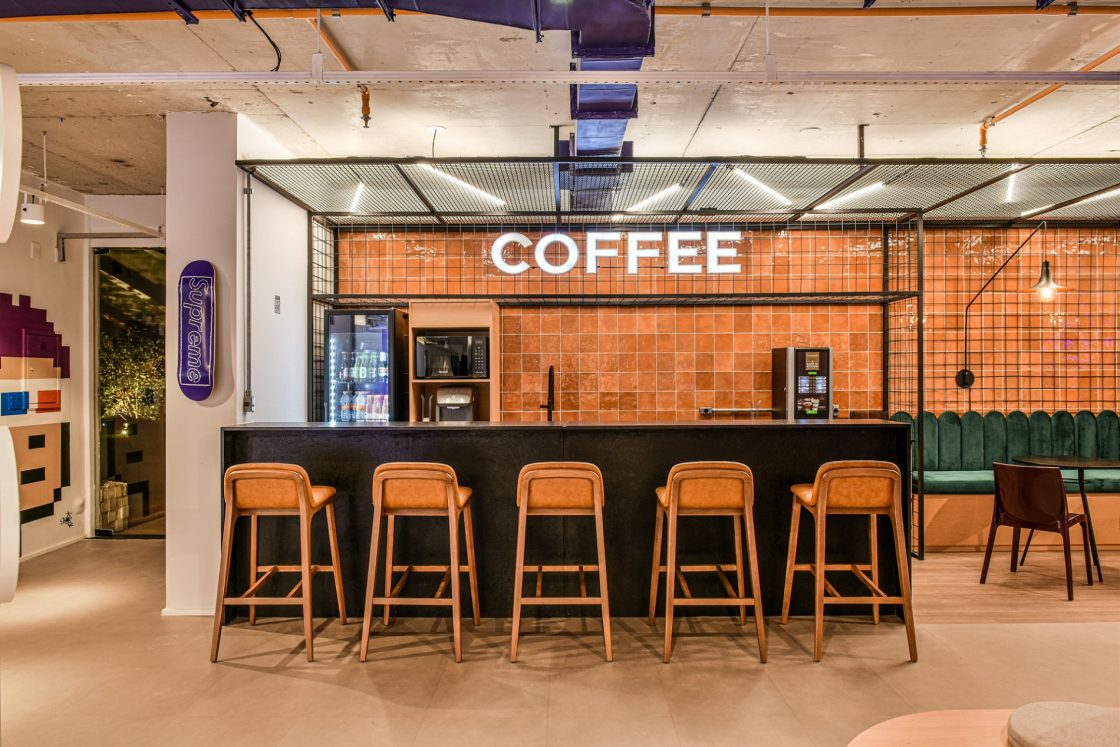
Now, in a world where consistency is key, controlling the quality of these batches is crucial. Vigilance must be exercised because variations can arise not only between different batches but also within the same batch. It’s a bit like baking cookies; if you don’t pay attention to the mix, some might be perfectly crunchy while others end up as gooey surprises!
3. The Intentional Process of Destonalization
Crafting a destonalized design isn’t like throwing paint on a wall — it requires a masterful hand and an eye for detail. The variations should be thoughtfully orchestrated to ensure **aesthetic harmonization**. This method prevents chaos from creeping into design, producing warm, inviting surfaces instead.
4. Considerations When Choosing Destonalized Coverings
4.1 Variations in Tonality
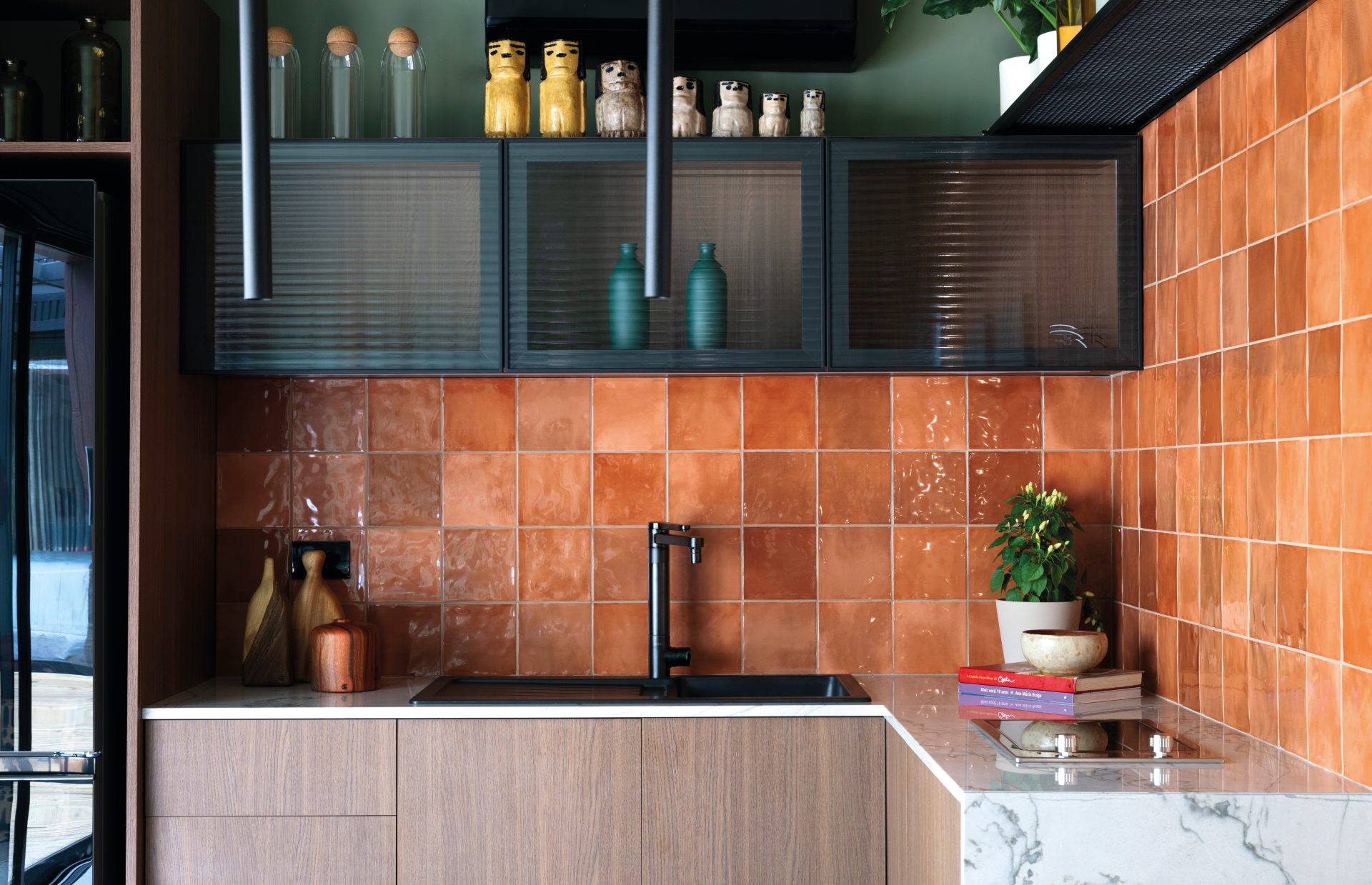
When scouting for the ideal destonalized tiles, a key factor is the tonal variation among pieces. They are usually ranked from V1 to V4 — where V1 shows little difference and V4 boasts dramatic diversities. Selecting the right classification can embellish your space beautifully, akin to wearing the perfect outfit for a sunset dinner!
4.2 The Number of Faces
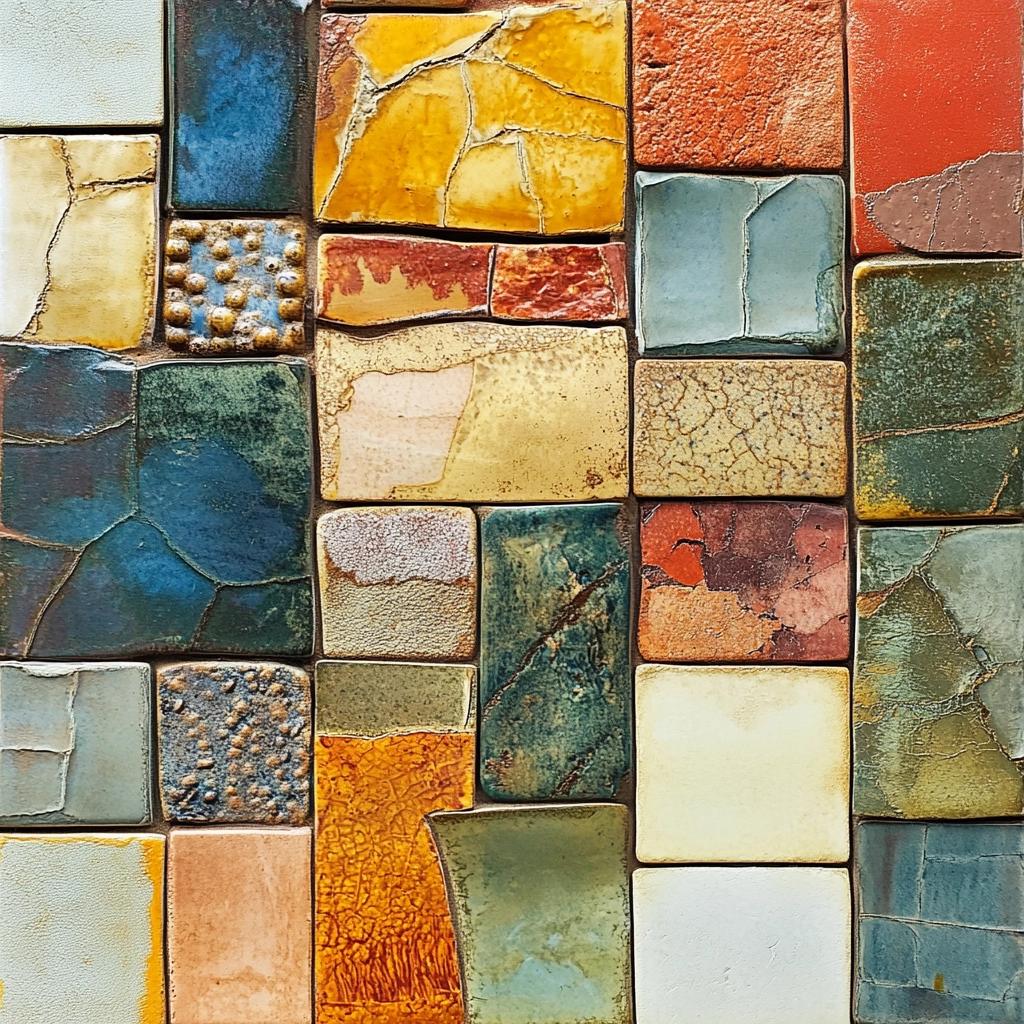
Speaking of choices, ever heard of the term number of faces? It refers to how many unique versions of a single design are available. The higher the number of faces, the more natural the ambiance feels. Why settle for a flat atmosphere when you can have layers of dimension to delight your senses?
5. Examples of Destonalized Coverings
5.1 The Gouache Line by Portobello
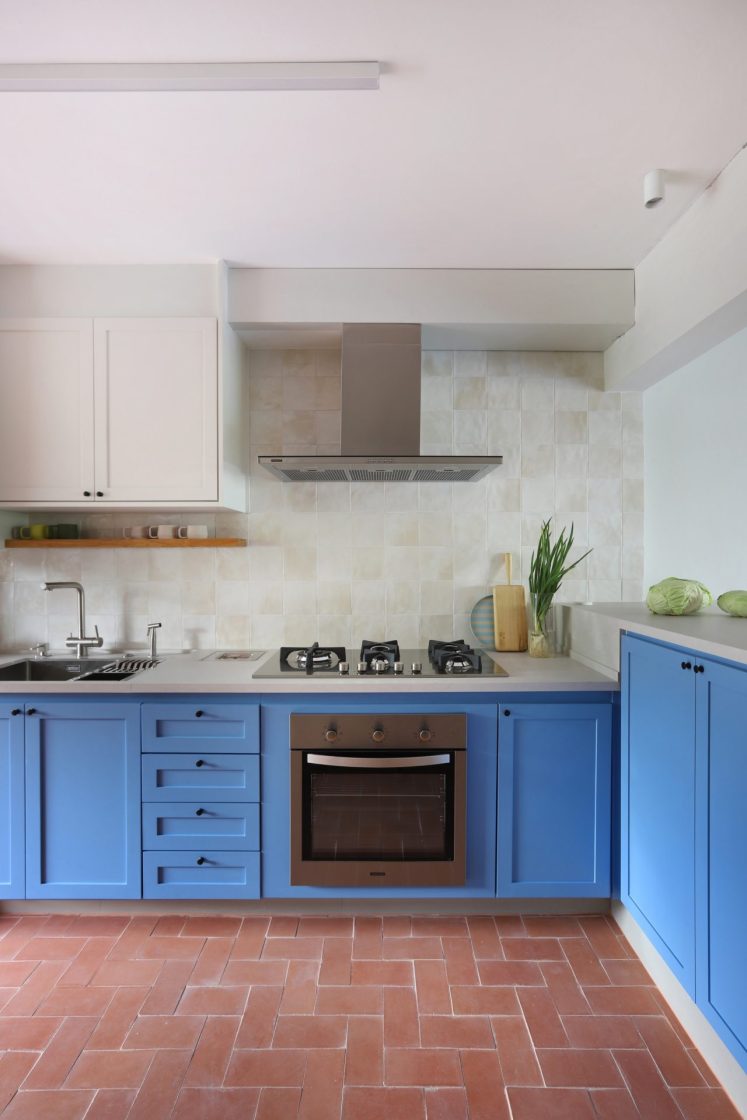
The Gouache line is sheer artistry, featuring up to 50 different faces. It’s designed to mimic the strokes of a watercolor painter, proving once more that ceramics can be stunningly expressive. Who wouldn’t want their space to resemble a work of art?
5.2 The Salt Lake Line by Portobello
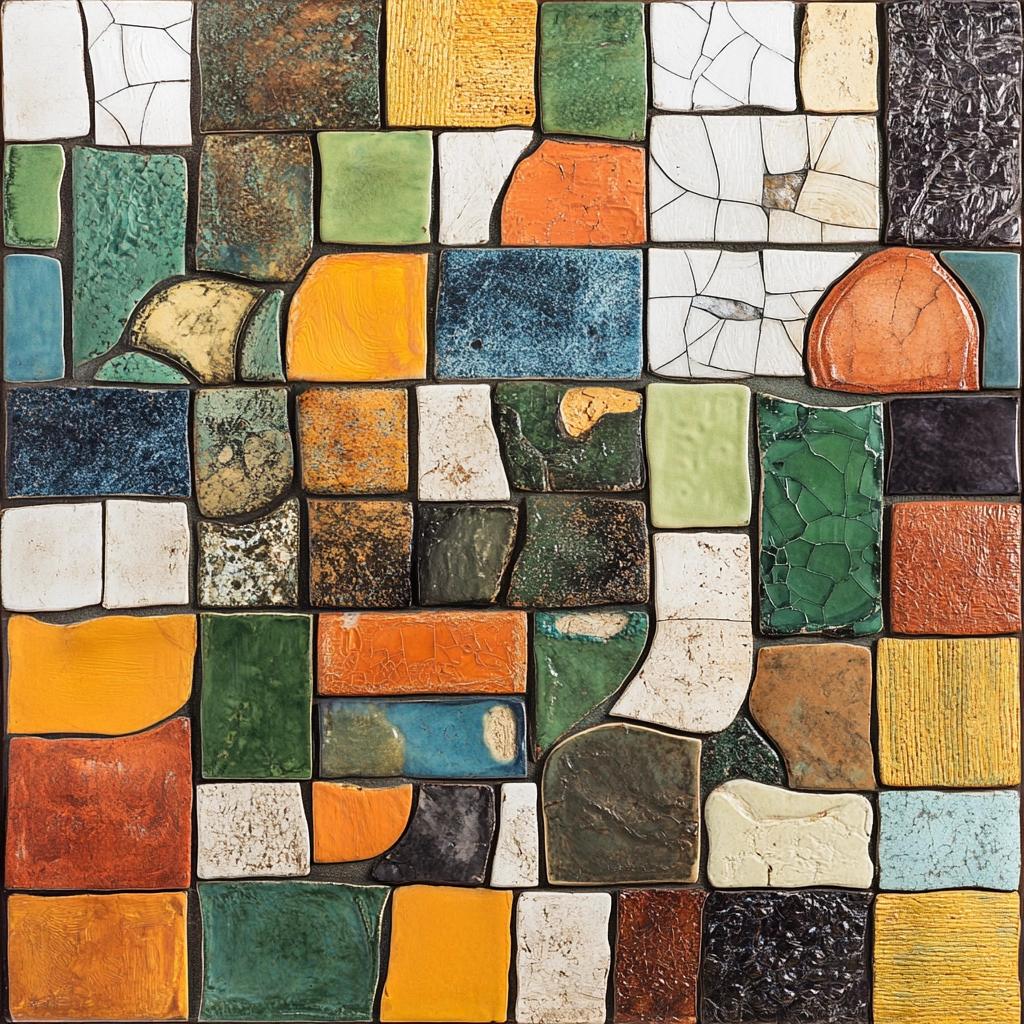
Next, we have the Salt Lake line, inspired by the beauty of salt lakes. This collection brings together a vibrant mix of colors and textures, reinvigorating the spaces they inhabit with life. Think of landscapes transitioning through the seasons — that’s what these tiles deliver!
6. Practical Applications of Destonalized Coverings
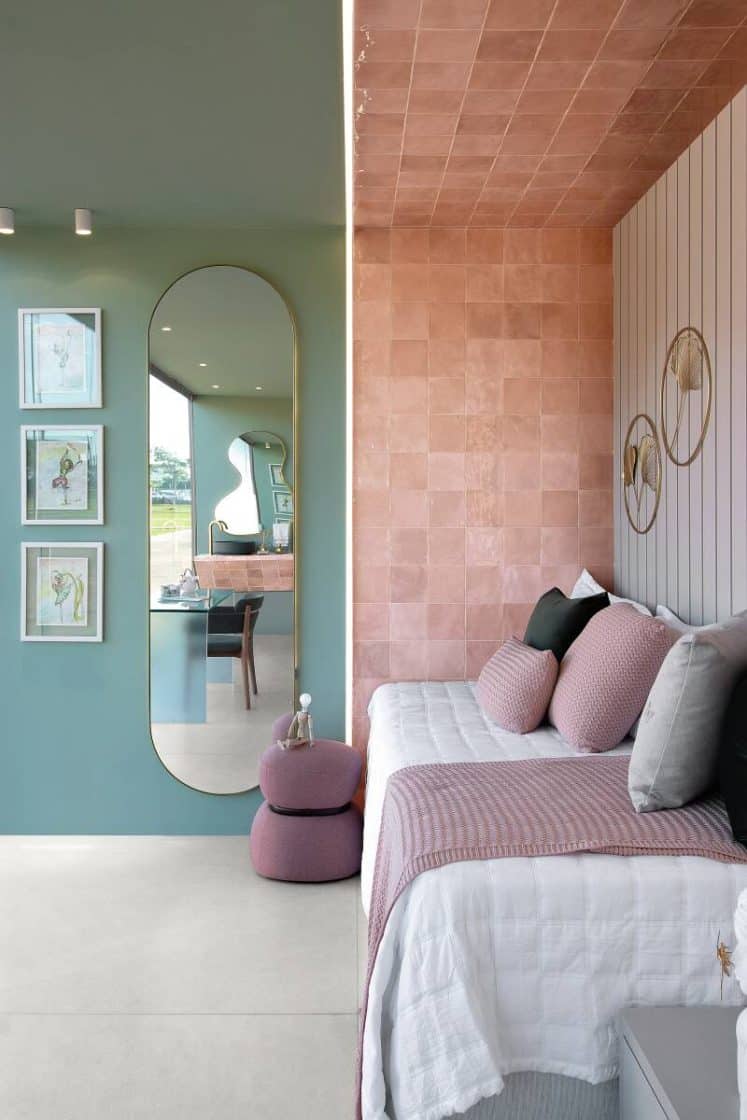
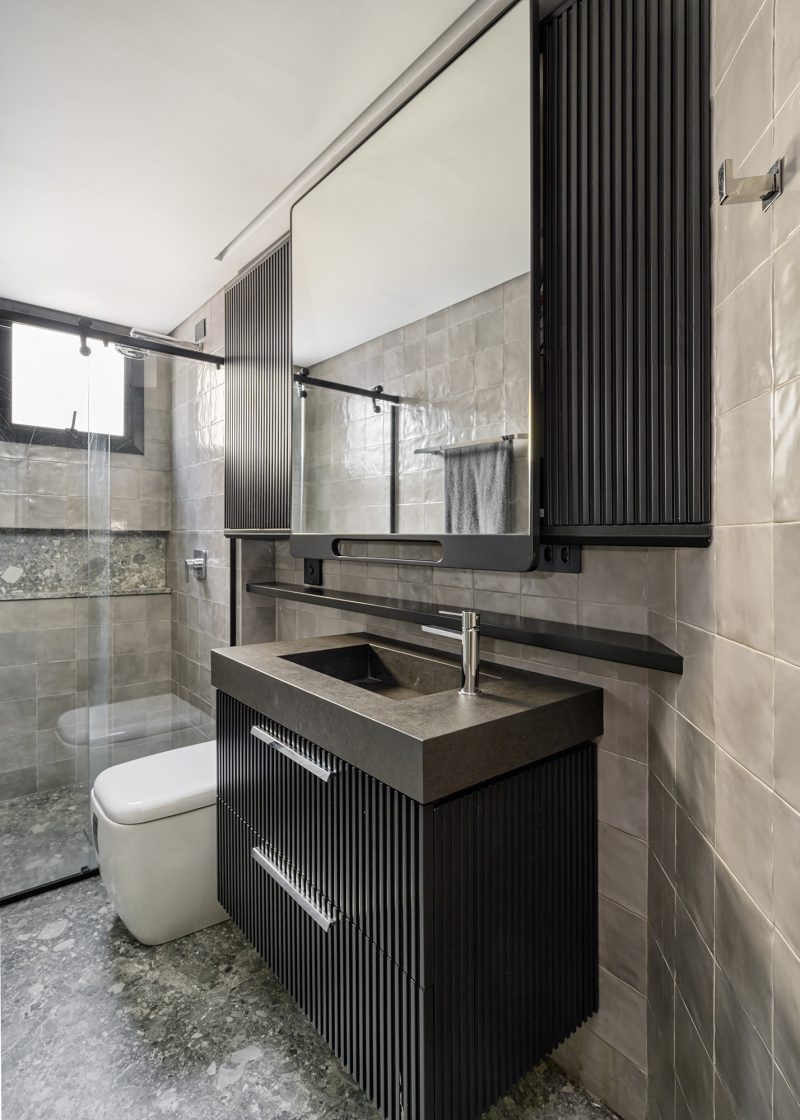
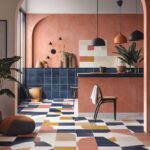
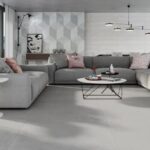
So, where can you use these stunning tiles? The answer is simple: almost anywhere! Whether it’s a lively kitchen, a calming bathroom, or a stylish commercial space, destonalized coverings adapt seamlessly, adding a fresh twist to any environment. They effortlessly reflect personality, intention, and creativity in design.
Conclusion
Destonalization is more than just a design trend; it represents creativity, uniqueness, and a reflection of individuality in ceramic coverings. By choosing destonalized tiles, you embark on a journey to create spaces that are not only unique but also tell a story, just like the many layers that make up life itself. With these elements at your fingertips, let your spaces bloom with authenticity and style!
“`