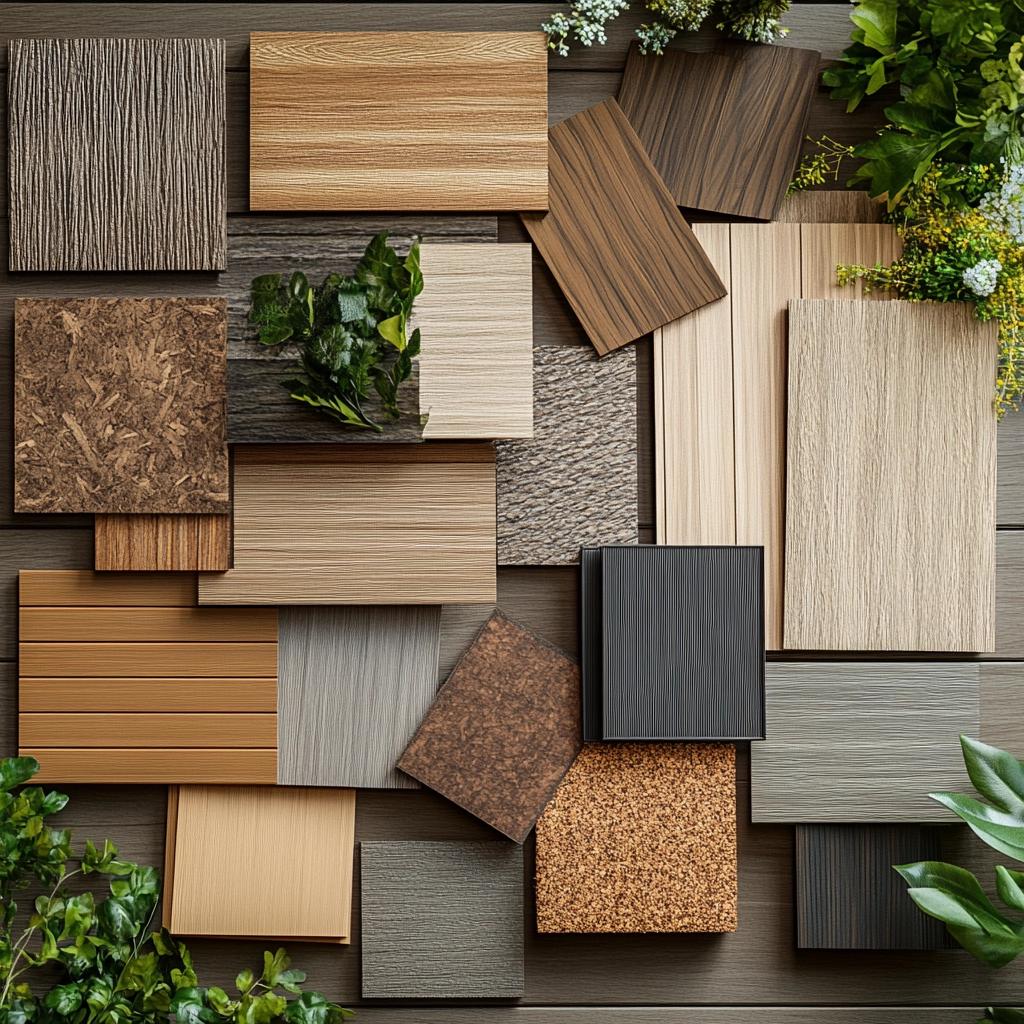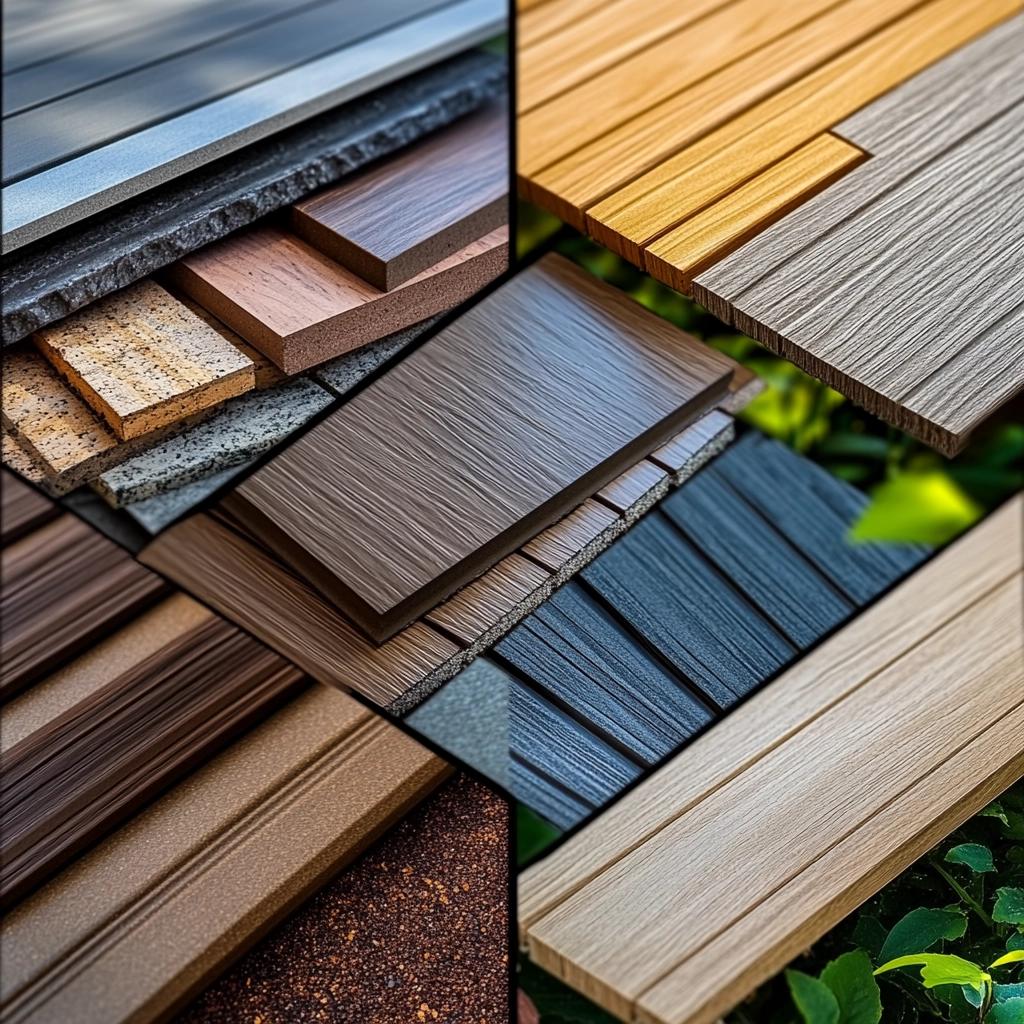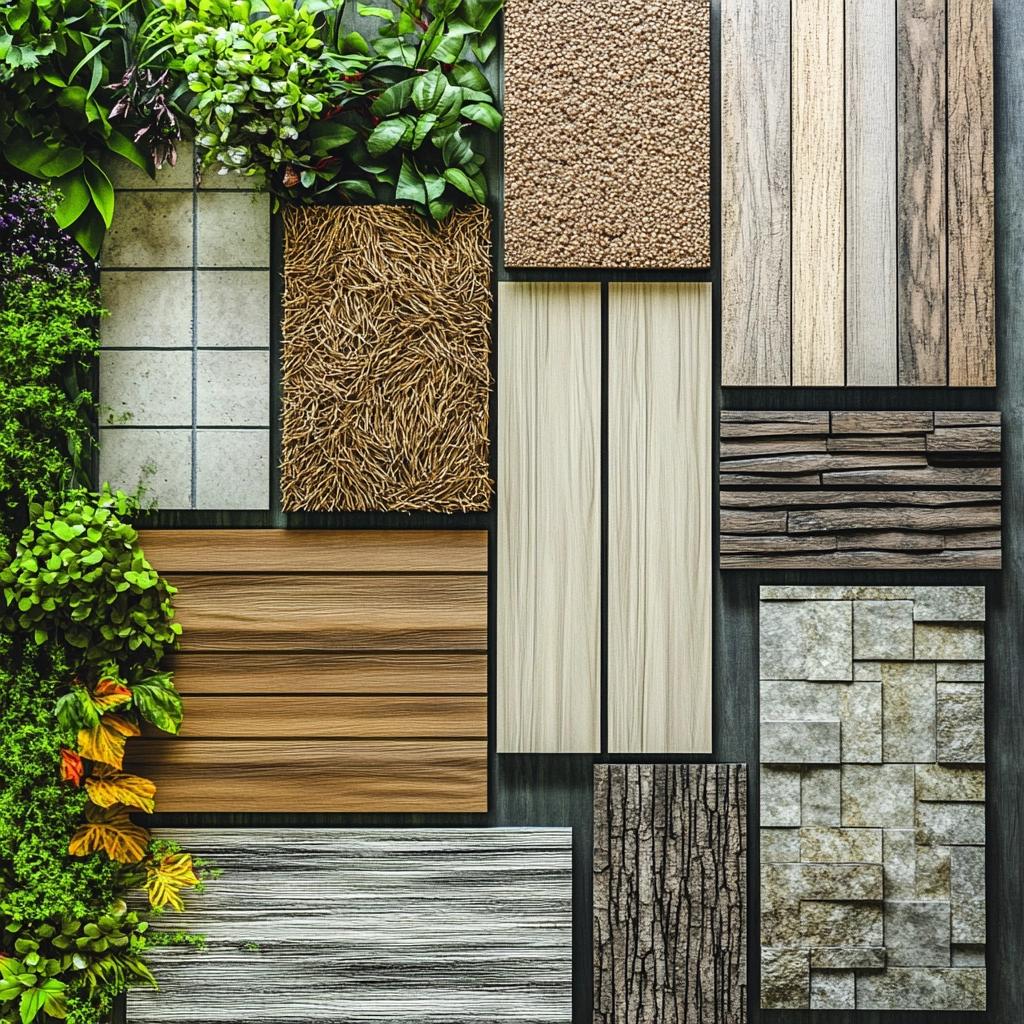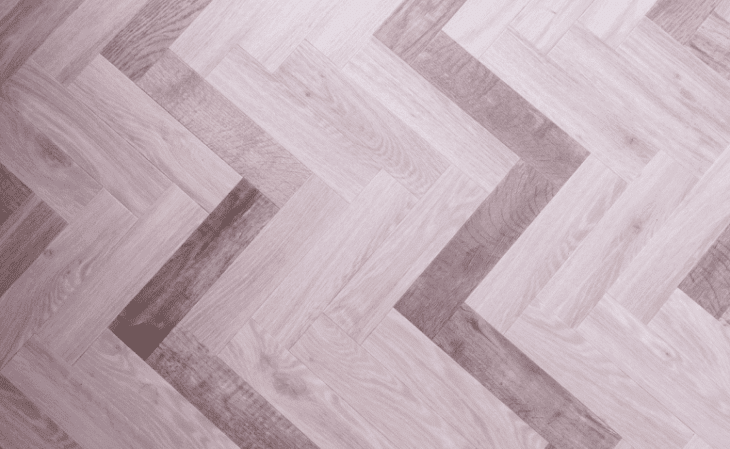


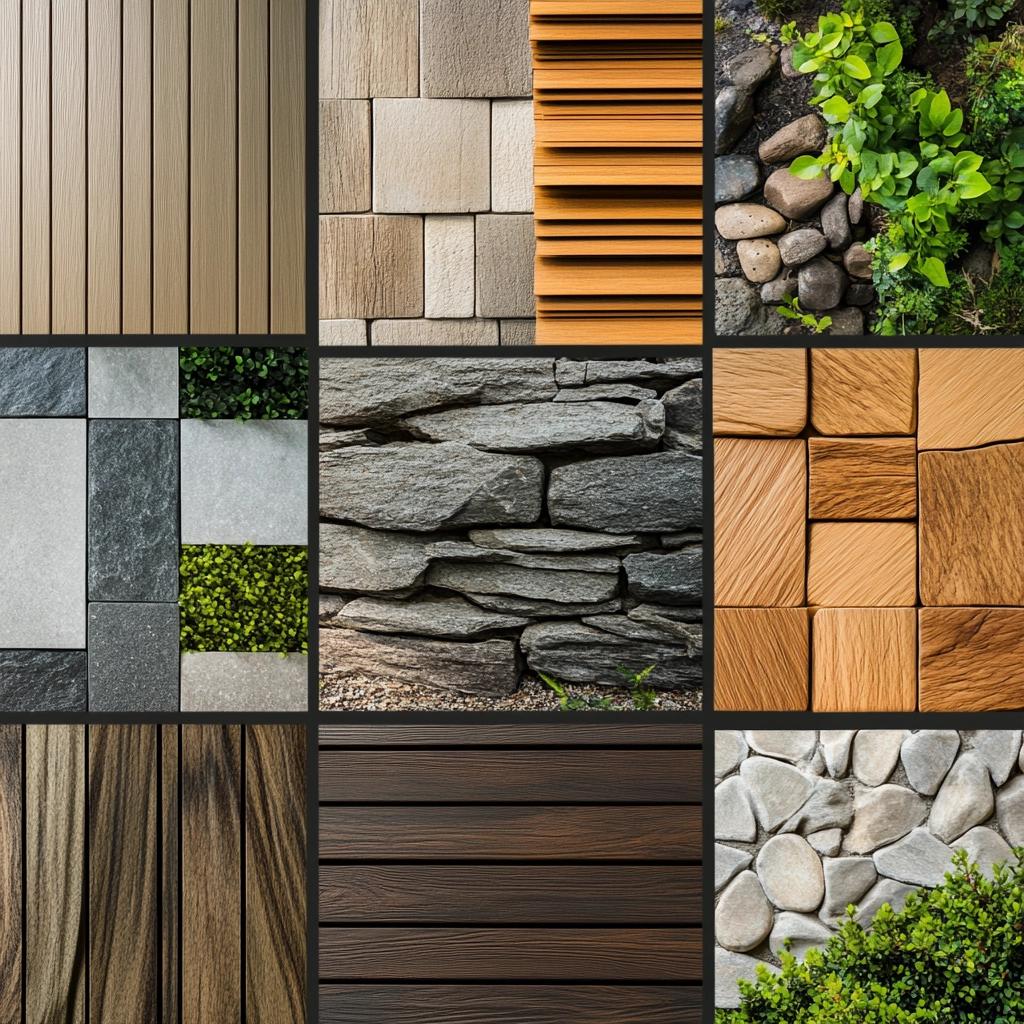
Wood plastic is a sustainable alternative made from natural fibers and recycled plastics, perfect for those seeking eco-friendly options in construction. It blends the aesthetics of wood with the durability of modern materials.
Key Takeaways
- What is wood plastic? A blend of recycled plastics and natural fibers, providing an eco-friendly building material that looks like real wood.
- Types of wood plastic: Options include PVC synthetics, ecological WPC, and 100% recycled versions, each with unique benefits.
- Applications: Wood plastic is versatile, suitable for decks, furniture, and even decorative elements indoors.
- Advantages: It offers durability, pest resistance, and contributes positively to environmental sustainability.
- Disadvantages: Potential downsides include higher costs and fading over time, requiring careful consideration.
- Final considerations: Understanding wood plastic’s features is crucial for determining its suitability for your sustainable project.
Introduction
So, you’re curious about wood plastic, huh? Well, let me tell you, it’s quite the game-changer for anyone interested in sustainable building options. I’ve come across it in numerous projects, and I can confidently say it’s a step towards a greener future without sacrificing style or functionality. Buckle up while we dive deeper into why this eco-friendly marvel deserves a spot in your next project!
Understanding Wood Plastic
In a nutshell, wood plastic is the result of merging recycled plastics with natural fibers. This combo not only looks great but also helps in reducing waste. Imagine a material that mimics the beauty of wood but boasts better durability and lower maintenance—sounds like a win-win, right?
Last I checked, wood plastic isn’t just a flashy alternative; it’s a hardworking component that can adapt to various environments, making it perfect for both indoor and outdoor applications. Honestly, I’ve seen it elevate spaces effortlessly!
Types of Wood Plastic Available
Now, let’s break down the main types of wood plastic that you might consider for your projects. Each type has its charm and unique selling points, so here we go!
PVC Synthetic Wood
First up is the PVC synthetic wood. This type blends 30% virgin PVC with 70% recycled wood, resulting in a sturdy material with consistent color. It’s like that reliable friend who’s always there when you need them. Not only is it aesthetically pleasing, but its resistance to wear-and-tear makes it an excellent choice for high-traffic areas.
WPC (Wood Plastic Composite)
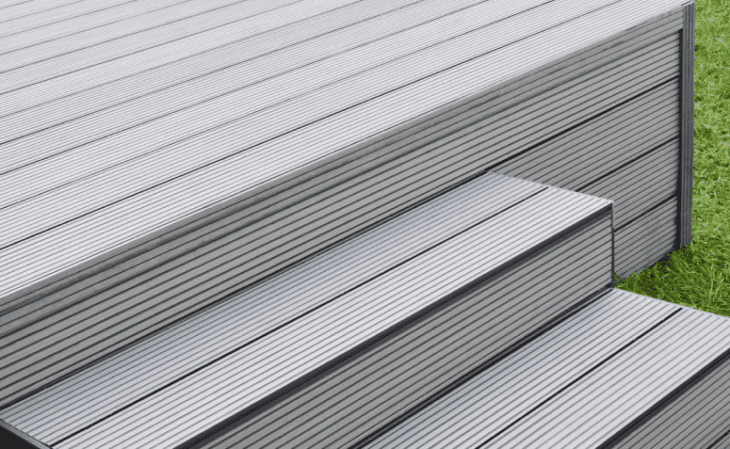
Next, we have the WPC, or Wood Plastic Composite. This is a star player made from 70% recycled wood and 30% recycled plastic. What I love about WPC is its incredible durability. It doesn’t just stand up to the elements; it embraces them. Think of it as an outdoor enthusiast who thrives under every condition.
100% Recycled Plastic Wood
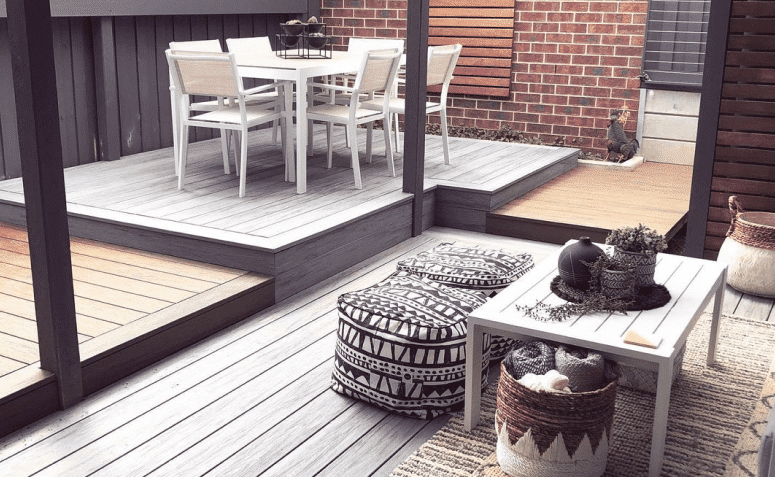
Lastly, we’ve got the 100% recycled plastic wood. This material is entirely made from recycled plastics, making it a fantastic eco-conscious choice. It withstands all types of weather without fading, giving you peace of mind that your investment is protected. Picture it as a superhero for your outdoor projects, defying the harsh sun and rain while looking fabulous.
Applications for Wood Plastic
The beauty of wood plastic lies in its versatility. From decking to furniture, and decorative pieces to fencing, the applications are virtually endless! Lately, I’ve seen some stunning outdoor patios outfitted entirely with this material, providing a luxurious feel without the guilt of harming the environment.
How about incorporating this innovative material indoors? Think about using it for accent walls or furniture that pops. I often tell my clients that it can completely transform a space while aligning with their sustainability goals. It’s like having your cake and eating it too!
Advantages of Using Wood Plastic
When you really dive into the benefits of wood plastic, it’s like unwrapping a gift that keeps on giving. Here’s a shortlist of the perks:
- Durability: It’s built to last, resisting warping, splintering, and cracking over time.
- Low Maintenance: Unlike traditional wood, it doesn’t require staining or sealing, which saves both time and money.
- Pest Resistance: Say goodbye to termites! Wood plastic dodges that bullet.
- Eco-Friendly: For every pound used, there’s less waste in landfills. Talk about a double win!
Honestly, it’s tough to find a material that ticks all these boxes without breaking the bank.
Disadvantages to Consider
Let’s not sugarcoat it; wood plastic isn’t perfect. Like a double-edged sword, it has its quirks and drawbacks. Here’s what you should chew on:
- Cost: Initially, it can be pricier than traditional materials, but think long term!
- Fading: Over time, exposure to direct sunlight can cause some fading. It’s like nature’s way of reminding us that nothing’s immortal.
- Limited Aesthetics: Although it can mimic wood, some purists might argue it lacks the authentic feel of real timber.
Weighing these factors can help you make an informed decision when considering wood plastic for your next project.
Final Considerations
After all’s said and done, understanding wood plastic is key to determining its viability for your sustainable building project. It’s essential to consider not just the material itself, but also how it fits into your broader vision and goals.
This sustainable option blends the best of both worlds—looks and durability—while championing green practices. So, are you ready to take the plunge into the world of wood plastic? I guarantee it’ll be a decision you’ll be proud of!