


So, expanded clay isn’t just a fancy term—it’s a lightweight hero in the world of construction and gardening! It’s durable, versatile, and can help your plants thrive. Stick around, and I’ll unpack all its goodness in no time.
- What is Expanded Clay? – I’ll explain what this type of clay is, how it’s made, and its standout features.
- Uses of Expanded Clay – Explore how this fascinating material finds its niche in gardening, hydroponics, and construction.
- Where to Buy and Cost – I’ll point you to places to snag some of your own, along with price ranges.
What is Expanded Clay?
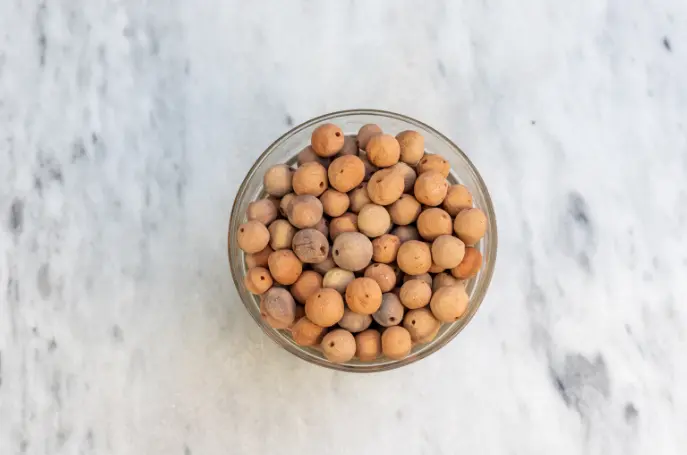
When I first heard about expanded clay, I thought, “What’s the big deal?” Well, let me tell ya, this stuff is like the Swiss Army knife of building materials! It’s produced by heating natural clay pellets until they puff up like popcorn—sort of a magic show for rocks!
Production Process
The production process is quite fascinating. Clay is shaped into small pellets, then heated in a kiln at high temperatures. You can literally see the transformation as they expand, creating those lightweight aggregates we’ve all come to love! It’s like watching a loaf of bread rise, and trust me, it’s just as satisfying to see.
Key Characteristics
Expanded clay has insulation properties that are the stuff of legends! It’s primarily known for being lightweight and incredibly durable. Plus, it’s moisture-retentive, making it a fantastic option for thirsty plants. I mean, who doesn’t want to give their plants the best hydration without lugging around heavy soil, right?
Uses of Expanded Clay
This might just be my favorite part—there are so many uses for expanded clay you wouldn’t believe it! You could say it’s got more versatility than a multi-tool in a handyman’s pocket.

In Gardening and Landscaping
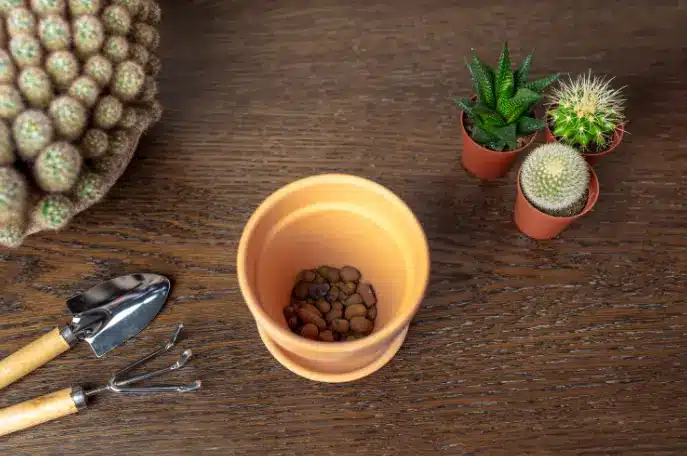
When it comes to gardening, expanded clay is a game-changer. It’s like the trusty sidekick who never lets you down. Just sprinkle some of those little pellets into your pots and planters, and you’ll notice how your plants thrive! They not only allow for better drainage but act like tiny sponges, soaking up the water and nutrients for the roots. It’s as if they whisper sweet nothings to your plants, encouraging them to grow!

In Hydroponics Systems
Hydroponics enthusiasts love expanded clay because it provides excellent aeration. Picture it as a life jacket for fish—you want them to float but not drown! With expanded clay, your plants get the perfect balance of air and water. It’s like they’re living in a five-star luxury resort for plants!

In Construction
I’ve got to say, expanded clay is no slouch in the construction world either. Builders use it to create lighter masonry blocks, which reduce overall weight and make transportation a breeze. It’s similar to carrying around a light backpack versus a heavy duffle—way easier to manage! With its insulating capabilities, it keeps buildings cozy in winter and cool in summer, like a dependable friend who always brings a sweater when it’s chilly.
Where to Buy Expanded Clay and Cost
So, where can you get your hands on this marvelous material? You can find expanded clay at garden centers, home improvement stores, and even online retailers. Generally, the price ranges from $15 to $30 for a bag, depending on the size and quality. Just remember, a few bucks can go a long way—it’s an investment in happier plants and sturdier buildings!

Conclusion
In wrapping this up, I hope you’ve learned that expanded clay is much more than just a lightweight aggregate. It’s a true multitasker that supports healthy plant growth, aids in hydroponics, and stands strong in construction. It’s like that friend who can cook, clean, and crack a joke all while juggling! Whether you’re gardening, building, or dabbling in hydroponics, give expanded clay a go—you might just be amazed at how it transforms your project.
See some more ideas and inspiration on the subject below and find out which ones you like the most!