


Gardening has always been a passion of mine, and I’ve discovered that having a polytunnel can be a game-changer for any green-thumbed enthusiast. Just the thought of extending my growing season and enjoying fresh produce throughout the year makes me giddy with excitement! If you’re considering joining the polytunnel club, let me guide you through the process with a touch of humor (because what’s gardening without a few puns and plant jokes, am I right?).
What is a Polytunnel?
A polytunnel, also known as a polyhouse or hoop house, is essentially a greenhouse made of plastic sheeting stretched over a semi-circular metal frame. It’s like a cozy little haven for your plants, protecting them from the elements while allowing them to bask in the warmth and sunlight they crave.
Benefits of Building a Polytunnel
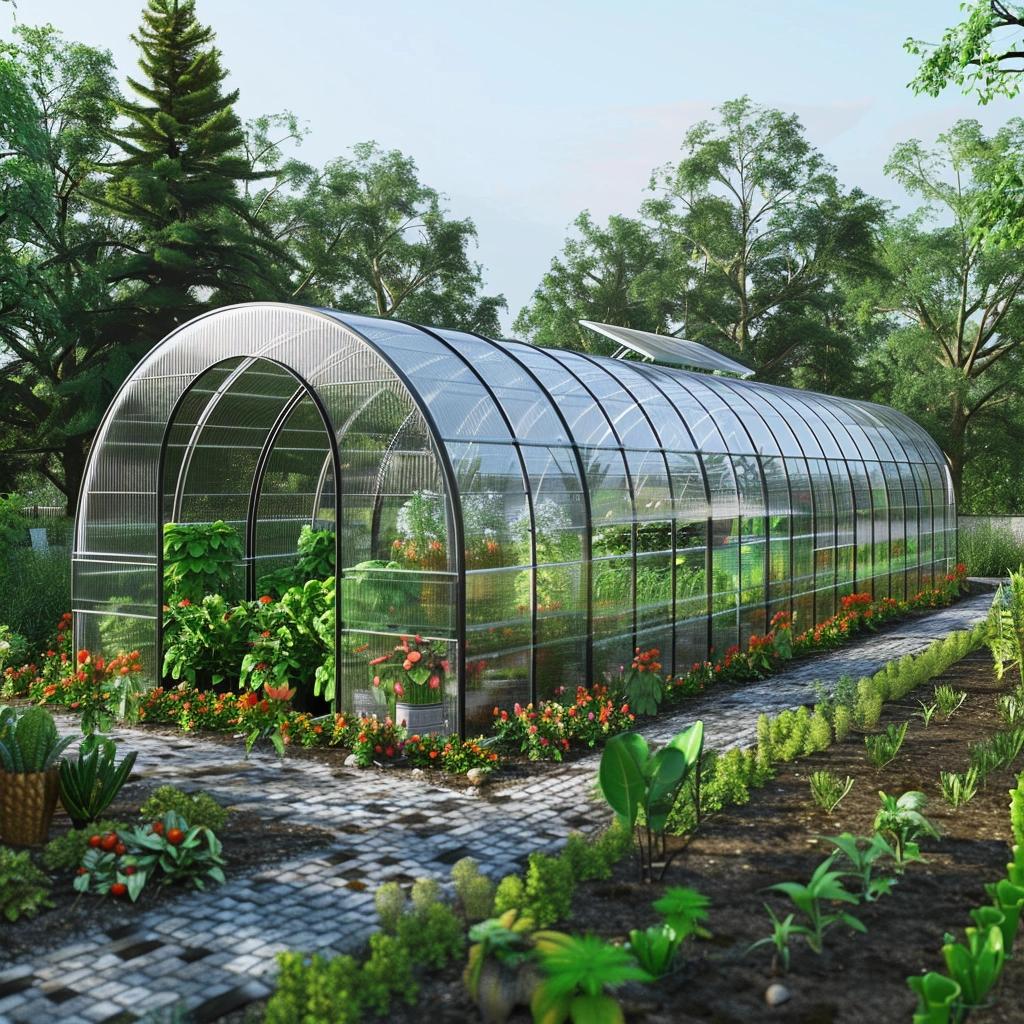
- Extended Growing Season: With a polytunnel, you can kick Old Man Winter to the curb and enjoy a longer growing period, thanks to the insulation provided by the plastic covering.
- Protection from the Elements: No more worrying about unexpected frost, hail, or heavy winds ruining your precious crops. Your polytunnel will shield them from Mother Nature’s tantrums.
- Better Crop Yields: The controlled environment inside a polytunnel often results in healthier plants and higher yields, which means more goodies for your plate (or your neighbors, if you’re feeling generous).
Choosing the Right Location for Your Polytunnel
Picking the perfect spot for your polytunnel is crucial. You’ll want to find an area that gets plenty of sunlight throughout the day and is relatively sheltered from strong winds. Avoid low-lying areas where water might collect, as soggy soil can be a real party pooper for your plants.
Materials Needed to Build a Polytunnel
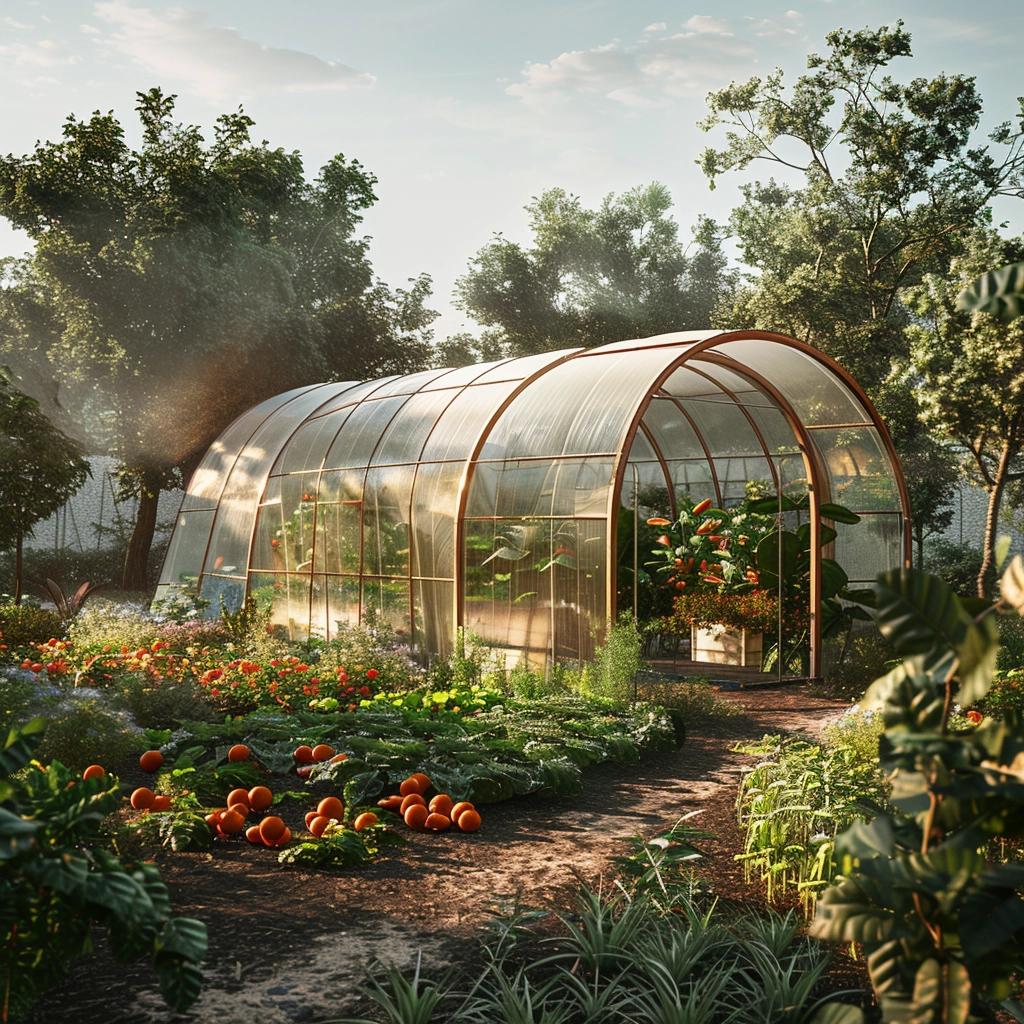
- Metal Hoops: These curved frames will give your polytunnel its signature shape and support the plastic covering.
- Plastic Sheeting: Look for UV-resistant, greenhouse-grade plastic that will withstand the elements and let in plenty of sunlight.
- Ground Anchors: These will help secure your polytunnel to the ground, ensuring it doesn’t take flight during windy days.
- Door Frame and Entrance: Unless you’re training for a contortionist act, you’ll need a door to access your green oasis.
Step-by-Step Guide to Building a Polytunnel
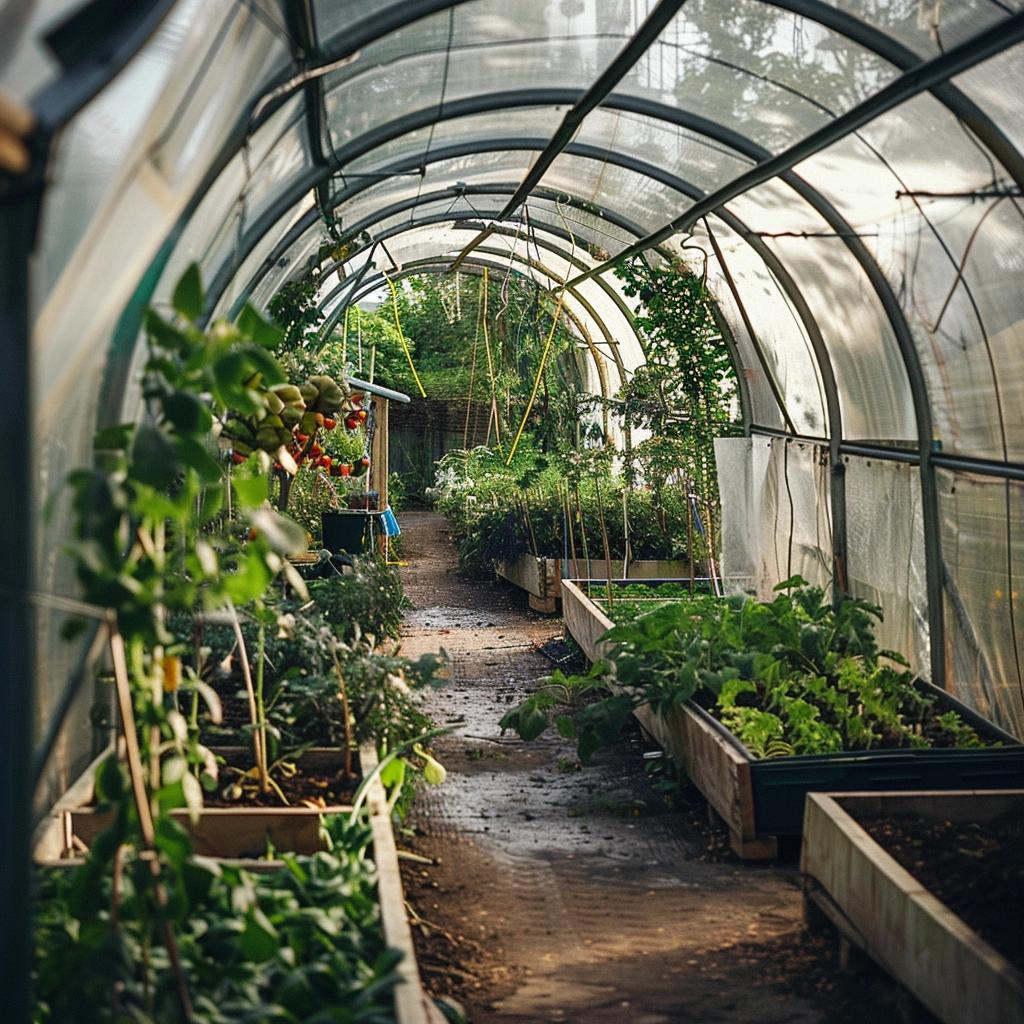
Okay, it’s time to get those green thumbs dirty! Here’s a quick rundown of the steps involved in building your polytunnel:
- Level the ground and mark out the area for your polytunnel.
- Assemble the metal hoops and secure them to the ground anchors.
- Carefully drape the plastic sheeting over the frame and secure it to the hoops and ground.
- Install the door frame and entrance.
- Add any additional features you desire, such as ventilation systems or shelving.
Trust me, it’s easier than trying to follow the instructions for that IKEA furniture set you’ve been avoiding.
Extending the Growing Season with Your Polytunnel
Now that your polytunnel is up and running, it’s time to maximize its potential. Start seedlings earlier in the spring, and enjoy a bountiful harvest well into the fall (or even winter, if you’re feeling adventurous). Experiment with different crops and techniques, and don’t be afraid to get a little creative – after all, that’s half the fun of gardening!
Conclusion
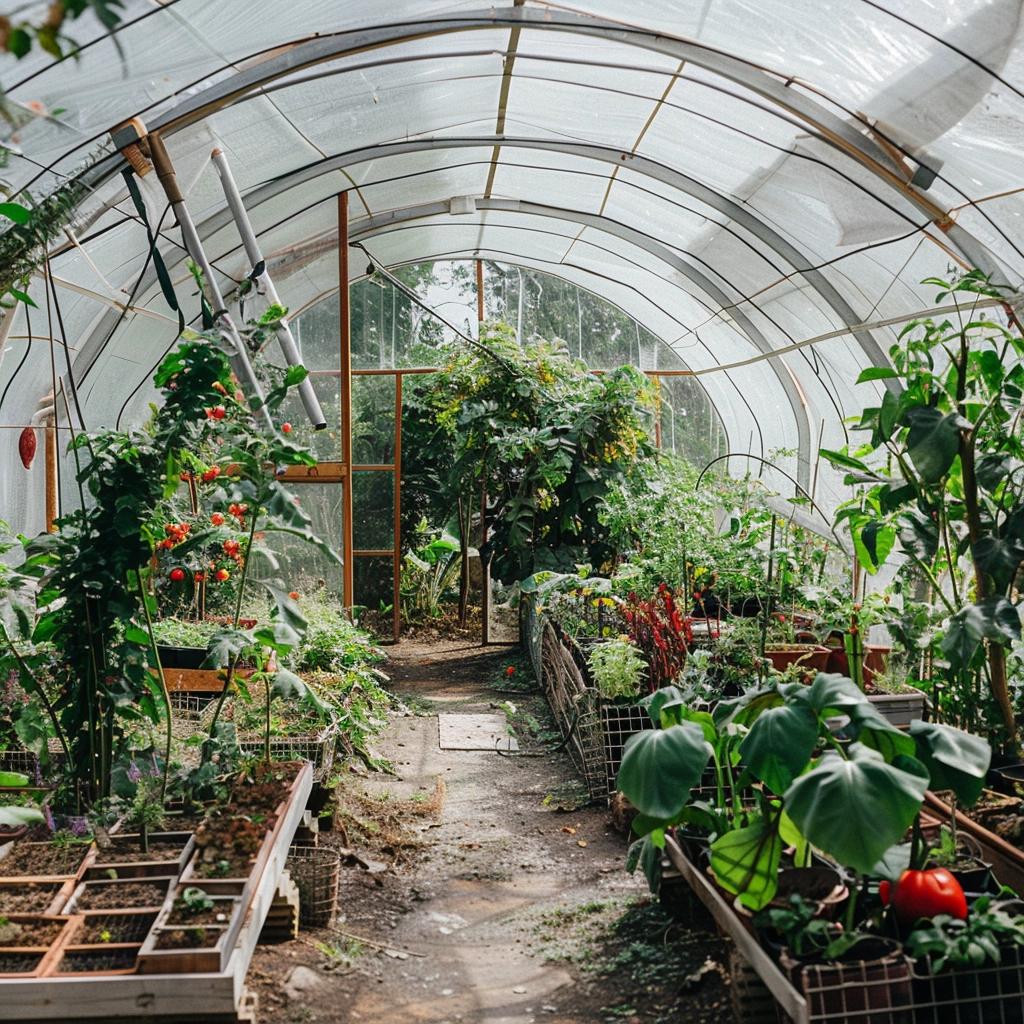
Building a polytunnel may seem like a daunting task, but trust me, the rewards are well worth the effort. Not only will you get to enjoy fresh, delicious produce for longer periods, but you’ll also have a cozy little hideaway where you can escape the stresses of everyday life and reconnect with nature. So, grab your gardening gloves, round up some helpers (bribe them with homemade salsa if you must), and get ready to embark on this rewarding adventure. Your green-thumbed self will thank you!